
Shrubs
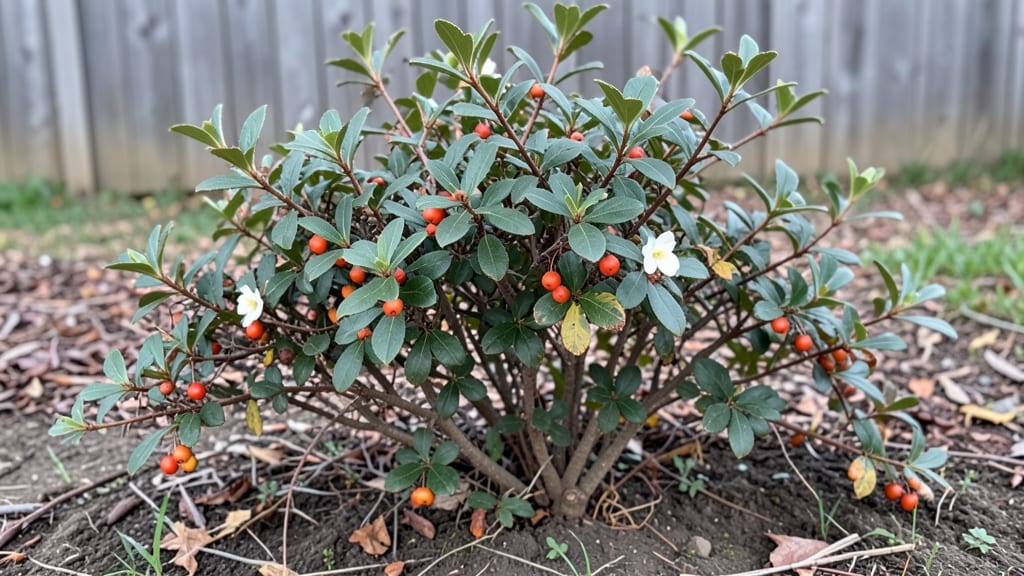
Mastering red leaf shrub identification transforms your garden into a striking, carefree haven—just like that first dazzling moment I saw a burning bush (Euonymus alatus) blazing in a neighbor’s yard. and glossy leaves made me realize how much these plants can transform a space with almost no effort.
The key is learning the subtle differences: leaf shape, bark texture, and whether the plant sheds leaves in winter or keeps them year-round.
Most red-leaf shrubs fall into three categories: evergreens (like Ilex crenata), semi-evergreens (such as Cotoneaster), or deciduous (like Euonymus). Evergreens hold their color all winter, while deciduous ones burst with red in fall before dropping leaves.
Bark can also be a dead giveaway—some, like Euonymus, develop striking red or orange stems in winter, while others stay smooth and greenish-brown. Knowing these clues helps you pick the perfect shrub for your yard’s sunlight and soil.
Once you recognize the right plant, growing them becomes effortless. Most thrive in full sun to partial shade and tolerate average soil, though Ilex prefers slightly acidic conditions. A well-placed red-leaf shrub adds drama to borders, hedges, or even container gardens—no fancy pruning required.
The payoff? Year-round color that outshines any seasonal display. Let’s break down the most common types and how to tell them apart.
Confusion often comes from similar-looking shrubs like Pyracantha or Berberis, which can mimic red foliage but have different growth habits. For example, Pyracantha has thorny branches and tiny white flowers, while Berberis sports yellow berries in fall.
We’ll cover these distinctions so you can confidently choose—and grow—your next standout shrub. No guesswork, just stunning results.
What Triggers Red Foliage
If you’ve ever marveled at shrubs bursting with fiery red leaves—whether in autumn or mid-winter—and wondered why some plants naturally sport this hue, the answer lies in a mix of biology, environment, and even genetics.
While red leaf shrub identification often focuses on the end result, understanding the causes helps gardeners replicate (or troubleshoot) this stunning effect. Here’s why your shrubs might be flaming red—and how to encourage it.
Some shrubs are born to turn red, thanks to pigments hardwired into their DNA. Two key compounds drive this:
- Anthocyanins: These water-soluble pigments (the same ones that make blueberries blue or red cabbage crimson) thrive in bright light and cool temperatures. They’re nature’s sunscreen—protecting leaves from UV damage while adding vibrant color. Shrubs like Cotoneaster or Barberry produce anthocyanins year-round in cooler climates.
- Carotenoids: When chlorophyll (the green pigment) fades, carotenoids—yellow, orange, or red-orange—become visible. In some shrubs like Japanese Maple cultivars, these pigments blend with anthocyanins to create deep red hues.
Actionable tip: If you’re shopping for red-leafed shrubs, look for varieties labeled with terms like “purpurea,” “atropurpurea,” or “coccinea.” These often indicate anthocyanin-rich genetics.
Cold snaps and seasonal temperature drops are the #1 trigger for red foliage in many shrubs. Here’s how it works:
| Season | Mechanism | Examples |
|---|---|---|
| Autumn | As daylight shortens and temps dip, chlorophyll breaks down. Anthocyanins ramp up to protect leaves from frost damage and absorb extra sunlight for energy storage. | Burning Bush (Euonymus alatus), Smoke Tree (Cotinus) |
| Winter | In evergreen shrubs, cold hardiness triggers dormancy pigments. Some, like Dwarf Lilac (Syringa meyeri), produce red leaves year-round in zones 3–7 because their metabolism slows, preserving anthocyanins. | Dwarf Lilac, Red Twig Dogwood (Cornus sericea) |
| Spring/Fall Freezes | A sudden drop below 40°F (4°C) can enhance red tones by stressing the plant into overproducing protective pigments. This is why some shrubs turn brighter red after frost. | Heather (Calluna), Pieris Japonica |
Pro tip: 🌡️ To boost red hues, plant shrubs in full sun (6+ hours/day) and avoid overheating soil (mulch with bark to moderate temps). In mild winters, a light frost can intensify color—just don’t overdo it!
Sunlight is the secret weapon for red foliage. Here’s why:
- UV Exposure: High UV levels stimulate anthocyanin production as a shield against radiation. Shrubs in open, sunny spots develop deeper reds than those in shade.
- Photosynthesis Trade-Off: In low light, plants prioritize chlorophyll for energy. But in bright conditions, they “luxuriate” in anthocyanins, leading to richer, more saturated colors.
- Reflective Heat: Dark red leaves absorb more heat than green ones, which can help shrubs in hot climates (like Crape Myrtle varieties) survive better.
What to do: 🔥 If your red-leaf shrub is looking greenish, it might need more sun. Gradually move it to a sunnier spot over 2–3 weeks to avoid leaf scorch.
Water stress and soil chemistry can indirectly trigger red foliage—or ruin it. Here’s how:
- Drought or Poor Drainage: Both conditions stress the plant, causing chlorophyll to break down faster and anthocyanins to dominate. Example: Japanese Maple turns brighter red in dry soil.
- Alkaline Soil (pH > 7.0): High pH can limit iron uptake, leading to red or purple leaves (a sign of chlorosis). This is common in Azalea or Rhododendron.
- Overwatering: Too much moisture drowns roots, starving leaves of oxygen and turning them yellow or brown—not red. Aim for well-draining soil.
Fix it: 💡 Test your soil’s pH (ideal for red-leaf shrubs: 5.0–6.5). Amend with peat moss or sulfur if it’s too alkaline. For drought lovers like Russian Olive, let the soil dry between waterings.
Sometimes, red leaves aren’t a feature—they’re a cry for help. Watch for these signs:
| Symptom | Cause | Solution |
|---|---|---|
| Red edges on green leaves | Too much phosphorus or potassium | Flush soil with water; avoid high-P fertilizers. |
| Purple stems + red leaves | Phosphorus deficiency | Apply bone meal or a balanced 10-10-10 fertilizer. |
| Red leaves + stunted growth | Nitrogen deficiency | Use compost or blood meal in spring. |
Key takeaway: If red appears unexpectedly or is paired with poor growth, it’s likely a nutrient issue—not a natural trait. Test your soil to diagnose!
Quick Fixes for Common Shrub Leaf Issues
When your shrubs sport unexpected red leaves—whether it’s a bold seasonal glow or a concerning sign of stress—knowing the right approach can save your plants. Below are practical, step-by-step solutions tailored to the most common causes, plus prevention tips to keep your shrubs thriving year-round.
Signs: Yellowing or mushy leaves with red edges, wilting despite damp soil, or moldy soil.
How to Fix It: 🔹 🌱 Step 1: Check the Soil
- Stick your finger 2 inches deep into the soil. If it feels soggy or smells sour, drainage is the issue.
- Test the pot/shrub bed: Lift the plant gently (if in a container) to check for root rot. Healthy roots are firm and white; rotten roots are brown/mushy.
🔹 💦 Step 2: Adjust Watering Habits
- Water only when the top 1–2 inches of soil are dry (stick your finger in to test).
- Reduce frequency: Most shrubs prefer deep watering 1–2 times per week (less in winter).
- Use the "thumb rule": If water pools on the surface after 10 minutes, your soil drains poorly.
🔹 ✂️ Step 3: Improve Drainage
- For pots: Add a 2-inch layer of gravel or perlite at the bottom before repotting.
- For garden beds: Amend soil with compost or sand (50/50 mix) to loosen heavy clay.
- Mulch properly: Apply 2–3 inches of organic mulch (wood chips, bark) to retain moisture without suffocating roots.
💡 Prevention Tips:
- Choose well-draining soil mixes (e.g., 60% soil, 30% perlite, 10% compost).
- Avoid watering schedules—adjust based on weather (e.g., less in rain, more in heat).
- Pot size matters: Ensure containers have drainage holes and aren’t too large (overpotting = waterlogged roots).
Signs: Leaves scorch (brown, crispy edges), redden in direct afternoon sun, or droop in extreme heat.
How to Fix It: 🔹 🌿 Step 1: Provide Shade Strategically
- Morning sun is safer than harsh afternoon rays (10 AM–4 PM). Use lightweight shade cloth (30–50%) if needed.
- Reflective surfaces? Move the shrub away from walls or pavement that bounce heat.
🔹 💧 Step 2: Hydrate Smartly
- Water deeply in the morning (before 10 AM) to reduce evaporation.
- Mulch heavily (3–4 inches) to lock in moisture and cool roots.
- Mist leaves on scorching days (use a spray bottle for small shrubs).
🔹 🌡️ Step 3: Adjust Care in Heatwaves
- Pause fertilizing—plants focus on survival, not growth, in extreme heat.
- Prune damaged leaves to redirect energy to healthy foliage.
💡 Prevention Tips:
- Pick the right shrub for your climate: Native or heat-tolerant varieties (e.g., Russian olive, smoke bush) handle sun better.
- Group shrubs together to create a microclimate with shared shade.
- Avoid pruning in summer—wait until fall to reduce stress.
Signs: Reddish-brown spots, white powdery patches, or leaf curl with yellow halos.
How to Fix It: 🔹 🧼 Step 1: Clean Up Immediately
- Remove infected leaves with sterilized pruners (wipe with 70% isopropyl alcohol).
- Disinfect tools between cuts to prevent spread.
🔹 🌿 Step 2: Improve Airflow
- Space shrubs 3–5 feet apart (avoid overcrowding).
- Thin out dense branches to let light and air circulate.
🔹 💊 Step 3: Treat Fungus Naturally or Chemically - DIY spray: Mix 1 tsp baking soda + 1 tsp oil + 1 tsp mild soap per quart of water.
Spray every 7–10 days. - Store-bought options: Use neem oil or copper fungicide (follow label instructions). - For severe cases: Apply fungicidal soap (e.g., Safer Garden Fungicide) at dusk.
💡 Prevention Tips:
- Water at the base (avoid wetting leaves) or use drip irrigation.
- Choose resistant varieties: Some shrubs (e.g., hydrangeas, barberry) are less prone to fungus.
- Fall cleanup: Remove fallen leaves/debris where spores hide.
Signs: Pale yellow leaves with red veins (iron deficiency), stunted growth (nitrogen), or dark red/purple leaves (phosphorus).
How to Fix It: 🔹 📊 Step 1: Soil Test First
- Grab a DIY soil test kit ($10–$20) or send a sample to your local extension office for a professional analysis.
🔹 🌱 Step 2: Amend Soil Based on Needs
- Iron deficiency? Add chelated iron (e.g., Iron Chelate 6%) or acidify soil with sulfur or pine needles.
- Nitrogen-poor? Use compost, blood meal, or slow-release fertilizer (10-10-10).
- Phosphorus lack? Apply bone meal or rock phosphate in early spring.
🔹 ☕ Step 3: Feed Regularly (But Not Too Much!)
- Spring & fall: Apply balanced fertilizer (e.g., 10-10-10) every 6–8 weeks.
- Avoid over-fertilizing: More isn’t better—burnt leaves mean too much salt.
💡 Prevention Tips:
- Mulch annually with compost to replenish nutrients naturally.
- Rotate fertilizer types to avoid imbalances (e.g., alternate nitrogen with phosphorus).
- Avoid synthetic fertilizers in winter—plants are dormant and won’t absorb nutrients.
Signs: Sticky residue (honeydew), tiny webs, or leaves with reddish-brown speckles.
How to Fix It: 🔹 🦸 Step 1: Inspect & Isolate
- Shake leaves over white paper—pests will reveal themselves.
- Quarantine affected shrubs if pests are severe.
🔹 🚿 Step 2: Blast Off Pests
- Strong spray: Use a hose nozzle to blast mites/aphids from leaves.
- Soapy water: Mix 1 tsp mild soap + 1 quart water, spray every 3 days.
🔹 🐛 Step 3: Introduce Predators or Repellents
- Ladybugs or lacewings (buy online) eat aphids naturally.
- Neem oil (1 tsp per gallon of water) disrupts pest life cycles.
- Reflective mulch (aluminum foil) confuses mites.
💡 Prevention Tips:
- Encourage beneficial insects with native plants (e.g., dill, marigolds).
- Prune regularly to remove hiding spots for pests.
- Avoid broad-spectrum pesticides—they kill good bugs too!
Want to enhance (not just fix) red foliage? Try these pro tips:
- 🍎 Feed with iron supplements in early spring for deeper reds.
- 🌞 Prune in late winter to
Frequently asked questions
How can I tell if my shrub is truly a red-leaf variety or just stressed?
Red leaves from stress (like nutrient deficiencies) often appear uneven—patchy or concentrated on edges. Healthy red-leaf shrubs like Euonymus alatus or Cotoneaster maintain consistent color year-round. Check the bark too: Burning bush develops striking red stems in winter, while stressed plants may show yellowing or brown spots.
Can red-leaf shrubs survive in full shade?
Most vibrant red-leaf shrubs need at least 4–6 hours of sunlight daily to produce their best color. Varieties like Ilex crenata 'Stokes Aurea' tolerate partial shade but may revert to green. For full shade, choose Pieris japonica or Rhododendron cultivars—their red foliage develops even with limited light.
Why does my red-leaf shrub turn green in summer?
This is normal! Many shrubs (like Cotoneaster) produce more chlorophyll in hot weather to protect themselves. The red tones return in cooler months. To encourage year-round color, plant in full sun and avoid over-fertilizing with nitrogen, which promotes green growth.
Are there any red-leaf shrubs that stay compact for small gardens?
Try Dwarf Lilac 'Kaleidoscope' (3–4 ft tall) or Cotoneaster 'Dragon's Blood' (3–5 ft). Both offer striking red foliage and stay neatly contained. For containers, Ilex crenata 'Soft Touch' (2–3 ft) thrives in pots and maintains its color.
How do I prevent my red-leaf shrub from getting leaf spot disease?
Leaf spot thrives in wet conditions, so water at the base (not overhead) and ensure 3–4 inches of mulch to improve airflow. Prune for good circulation and remove fallen leaves. If infected, apply neem oil or a copper fungicide. Resistant varieties like Berberis thunbergii 'Rose Glow' are excellent choices.