
Shrubs
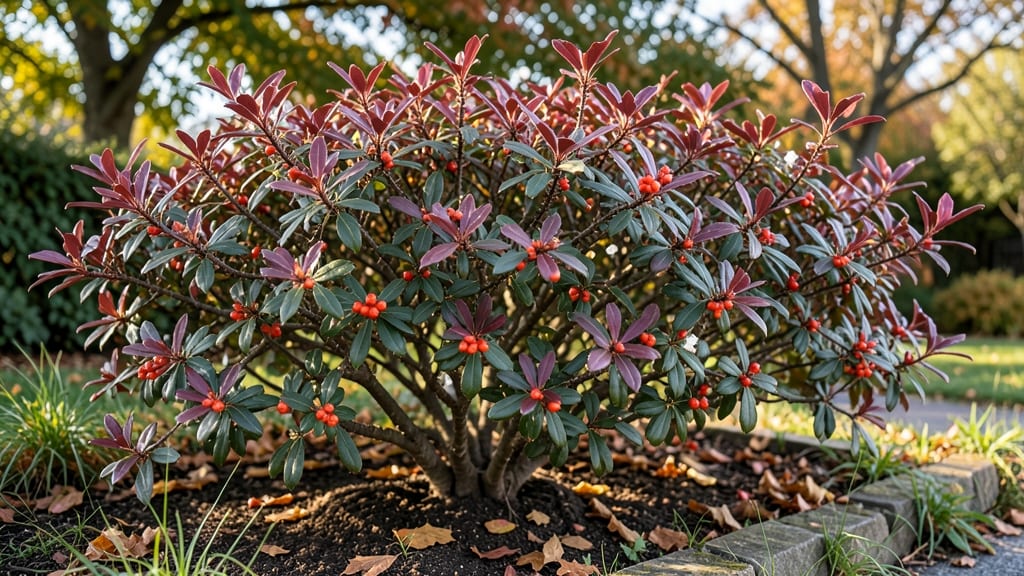
Red-leaved shrubs turn ordinary gardens into stunning living art—no flowers needed. 🌿 I remember my first Copper Beech stealing the show at a neighbor’s yard, its fiery leaves casting dramatic shadows even in winter. These shrubs aren’t just pretty; they’re the backbone of year-round interest, thriving where other plants fade.
They work everywhere—hedges, borders, or as bold focal points—with varieties like Dart’s Gold euonymus or Firepower cotoneaster offering deep reds, purples, and oranges. Most stay compact (3-6 feet tall), so they fit small spaces without overwhelming. The key?
Plant them where their colors pop against evergreens or blooming perennials for maximum impact. You’ll get low-maintenance plants that handle drought once established and resist pests better than many flowering shrubs. Just prune lightly after blooming (if they bloom) to keep their shape.
For best results, group them with silver or blue foliage to make their reds sing. Perfect for modern gardens, cottage-style borders, or even container plantings on patios. Let’s explore the best performers for your climate and design style!
📚 In This Guide
- What you need
- Instructions
- Tips and common mistakes
- Wrapping up and next steps
What you need
- ● Red-leaved shrubs: Choose from varieties like Cotoneaster, Pyracantha, Euonymus, or Berberis. Buy 3–5 plants (depending on desired coverage).
- ● Well-draining soil: 5–10 bags of garden loam or compost (1 cubic yard per 10 sq ft). Mix with native soil for optimal aeration.
- ● Organic mulch: 2–3 bags of pine bark nuggets or cedar chips (1–2 inches deep) to retain moisture and suppress weeds.
- ● Slow-release fertilizer: 1–2 bags of 10-10-10 or 5-10-5 granular fertilizer (follow package rates for application).
- ● Garden gloves (1 pair, heavy-duty for protection).
- ● Trowel or hand shovel (for planting and soil prep).
- ● Pruning shears (bypass or anvil type, sharp and sanitized).
- ● Watering can or hose with nozzle (1–2 gallons capacity for seedlings).
- ● Measuring tape (to mark planting spots and spacing).
- ○ Optional: Soil pH test kit (to check acidity/alkalinity, pH 6.0–7.0 ideal for most red-leaved shrubs).
- ● Sunlight assessment: Identify a spot with full sun (6+ hours/day) or partial shade (varies by shrub type).
- ● Space planning: Check shrub spacing requirements (e.g., Pyracantha needs 3–5 ft apart; Euonymus tolerates 2–3 ft).
- ● Water source: Ensure easy access to water for the first 2–3 weeks post-planting.
- ● Season timing: Plant in early spring or fall for best root establishment.
How to select and plant stunning red-leaved shrubs for year-round drama
Here’s how to choose, plant, and maintain bold red-foliaged shrubs that steal the show in every season.
🌿 Step 1: Choose the Right Red-Leaved Shrubs for Your Climate
Red-leaved shrubs thrive best when matched to your hardiness zone. For cooler zones (USDA 4-6), go for Cotoneaster dammeri or Symphoricarpos albus—both handle winter chill beautifully. In warmer zones (USDA 7-9), Pyracantha ‘Flava’ or Ilex crenata ‘Soft Touch’ deliver vibrant reds without stress.
Look for deep burgundy, crimson, or bronzy foliage—these hues intensify in cooler weather. Avoid varieties labeled as "spring color only," as their reds fade to green by summer. I always check the plant tag for sunlight requirements—most red-leaved shrubs need full sun to part shade for the richest color.
🪴 Step 2: Prepare the Planting Site for Maximum Impact
Red-leaved shrubs perform best in well-draining soil with a slightly acidic to neutral pH (6.0-7.0). Amend heavy clay with 2-3 inches of compost and a handful of sand to improve drainage. If your soil is sandy, mix in 1 inch of peat moss to retain moisture.
Choose a location with at least 6 hours of sunlight daily—partial shade can mute the red tones. Test the spot by observing how other plants grow there. If existing foliage looks stressed or pale, the site may not suit your shrubs. I dig a hole twice as wide as the root ball but only as deep—planting too deep suffocates roots.
☀️ Step 3: Plant with Proper Spacing and Support
Space shrubs 3-6 feet apart, depending on the mature size. A 6-foot-tall Cotoneaster needs 5 feet of clearance, while a 3-foot Ilex thrives with 3 feet of space. Plant in early spring or fall when temperatures are mild—avoid extreme heat or frost, which stresses roots.
Remove the shrub from its container and loosen the roots if they’re circling. Place it in the hole so the top of the root ball sits level with the ground—burying the stem crown leads to rot. Backfill with native soil, pressing gently to eliminate air pockets. Water deeply to settle everything, then add 2 inches of mulch (avoid wood chips near the stem).
💧 Step 4: Water and Fertilize for Vibrant Foliage
Water deeply once a week for the first month, then taper to every 10-14 days once established. Red-leaved shrubs are drought-tolerant but perform best with consistent moisture. Check soil moisture by sticking your finger 2 inches deep—water when it feels dry.
Fertilize once in early spring with a balanced, slow-release fertilizer (10-10-10). Avoid high-nitrogen feeds—they promote leaf growth over color intensity. I also sprinkle 1 cup of bone meal around the base annually to boost phosphorus, which enhances foliage vibrancy. Prune leggy growth in late winter to encourage bushier, redder regrowth.
✂️ Step 5: Prune and Maintain for Long-Term Color
Prune right after flowering (if applicable) or in late winter to shape the shrub and remove dead wood. Use clean, sharp shears to make cuts at a 45-degree angle just above a leaf node. Avoid heavy pruning—red-leaved shrubs rely on mature foliage for their dramatic color.
Watch for powdery mildew (white coating on leaves) or aphids (sticky residue). Treat mildew with neem oil and aphids with a strong spray of water. I also monitor for leaf scorch—if edges turn brown, increase watering slightly or provide afternoon shade. With proper care, these shrubs will dazzle for years.
Tips & tricks for stunning red-leaved shrubs
These game-changing strategies will help your bold foliage thrive and steal the show season after season.
Climate Matching: Don't just pick any red-leaved shrub—match your variety to your hardiness zone like a pro. In cooler zones (USDA 4-6), Cotoneaster dammeri's burgundy foliage actually deepens in winter, while Symphoricarpos albus maintains its crimson hue even under snow. For warmer climates (USDA 7-9), Pyracantha 'Flava' holds its vibrant reds through summer heat. I always verify the plant tag's color description—look for "year-round" or "winter interest" labels to ensure consistent drama.
Soil Science: The secret to vibrant foliage lies in that 6.0-7.0 pH range mentioned in Step 2. Test your soil before planting—most garden centers sell inexpensive kits. If your soil tests acidic (below 6.0), mix in crushed limestone at planting time. For alkaline soils (above 7.0), work in elemental sulfur. I've seen red leaves turn dull green when pH was off by just 0.5 points—don't skip this crucial prep work!
Planting Precision: When creating that twice-as-wide hole in Step 2, think of it as creating a root-friendly environment. Loosen the sides with your hands or a garden fork to encourage roots to spread outward. For container-grown shrubs, gently tease apart circling roots—this prevents girdling as the plant matures. I've planted dozens and still make this mistake: never bury the stem crown! The top of the root ball should sit level with the soil surface, not buried under an inch of dirt.
Color-Enhancing Care: Want those reds to pop? Focus on phosphorus-rich fertilizers like bone meal (that 1 cup annual application in Step 4). Phosphorus boosts flowering and deepens foliage color, while nitrogen makes leaves grow faster but dulls their vibrancy. I've noticed that shrubs fertilized with 10-10-10 in spring develop richer hues by midsummer compared to those getting all-purpose garden soil. And here's a pro move: water at the base rather than overhead—this prevents leaf scorch and keeps foliage looking crisp.
Pro Tips for Red Leaved Shrubs
- These game-changing strategies will help your bold foliage thrive and steal the show season after season.
- Climate Matching: Don't just pick any red-leaved shrub—match your variety to your hardiness zone like a pro.
- Soil Science: The secret to vibrant foliage lies in that 6.0-7.0 pH range mentioned in Step 2.
Frequently asked questions
Got questions about adding red-leaved shrubs to your landscape? You’re not alone! Here are answers to the most common queries—from care tips to design tricks—to help you make the most of these vibrant plants.
What’s the best time of year to plant red-leaved shrubs?
Plant them in early spring or fall when temperatures are mild. This gives roots time to establish before extreme heat or cold sets in. Avoid planting in summer’s peak—root stress can dull those stunning red leaves!
How often should I water red-leaved shrubs?
Water deeply but infrequently—about 1–1.5 inches per week (more in drought or full sun). Once established (after 1–2 years), they’re drought-tolerant, but young plants need consistent moisture. Mulch helps retain soil moisture and protect roots.
Will red-leaved shrubs survive winter?
Most hardy varieties (like Ilex ‘Sparkleberry’ or Cotoneaster ‘Royal Purple’) thrive in USDA Zones 5–9. In colder zones, protect young plants with burlap wraps or mulch. Evergreens retain color; deciduous types may fade but regrow vibrantly in spring.
Can I mix red-leaved shrubs with other plants?
Absolutely!
Pair them with silver foliage (like lamb’s ear) or chartreuse plants (e.g., ‘Lime Zest’ ninebark) for high-contrast drama. Avoid overpowering neighbors—leave 3–5 feet of space for airflow and light access.
Why are my red leaves turning brown or yellow?
Brown edges? Underwatering or salt buildup (from tap water) could be culprits. Yellowing? Check for overwatering, poor drainage, or pests (like spider mites). Prune damaged leaves and adjust care—most red-leaved shrubs bounce back quickly!
Pro Tip:
For longer-lasting color, fertilize lightly in early spring with a balanced, acid-loving formula (like 10-10-10). Avoid high-nitrogen feeds—it can wash out the red pigment!
Wrapping up and next steps
Red-leaved shrubs are a game-changer for adding drama and vibrancy to your garden, no matter the season! 🌿 Their striking foliage brings warmth, contrast, and year-round interest, making them a must-have for any landscape design.
Whether you're a seasoned gardener or just starting out, these bold plants offer low-maintenance beauty with high impact.
Ready to transform your outdoor space? Start by selecting a few varieties that thrive in your climate, then plant with confidence—your garden will thank you! 🌟 For extra inspiration, browse nurseries or explore online plant communities to discover even more stunning options.