
Shrubs
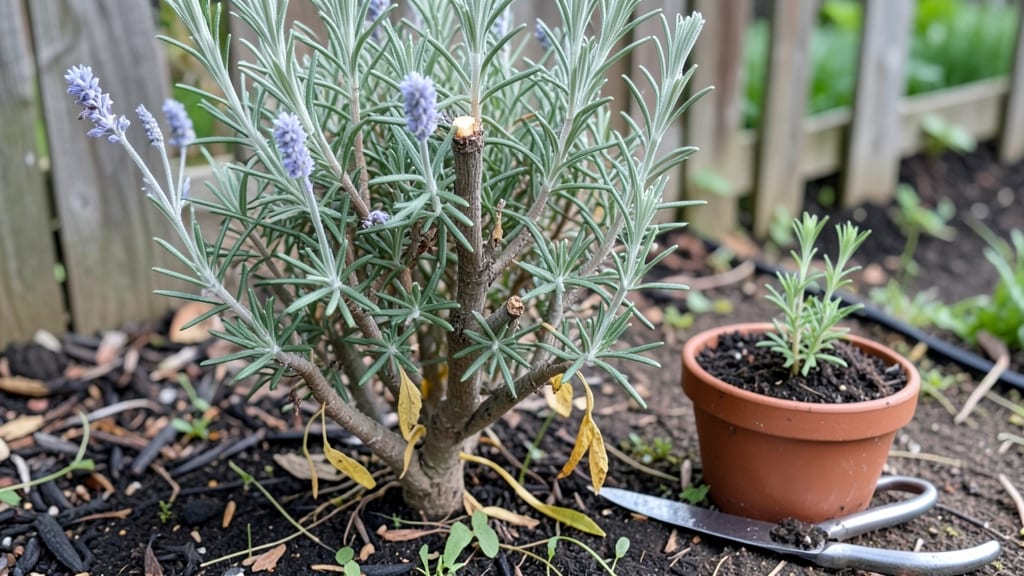
Transforming rosemary from a floppy herb into a compact, bushy shrub changes everything—it becomes a fragrant focal point that thrives year after year. ✨ The key lies in understanding its Mediterranean roots: rosemary craves dry soil, full sun, and occasional pruning to encourage dense growth.
Most gardeners overwater it, turning their plants into sad, leggy sticks, but with the right approach, you’ll cultivate a sturdy, aromatic shrub that doubles as a kitchen staple and garden ornament.
Start with well-draining soil—rosemary hates soggy roots—and plant in a location where it gets at least 6-8 hours of sunlight daily. Water deeply but infrequently; letting the top inch of soil dry out between waterings prevents root rot while keeping the plant happy.
Prune in late winter or early spring to shape the shrub, cutting back about one-third of the growth to encourage bushier new shoots. This also rejuvenates older plants, keeping them productive for decades.
By summer, your rosemary will be a velvety-green powerhouse, its piney scent wafting through the garden and repelling pests naturally. The compact shape makes it perfect for borders, containers, or even as a low hedge—just keep pruning lightly throughout the season to maintain its form.
Plus, the leaves stay flavorful longer than store-bought herbs, making it a win-win for both aesthetics and culinary use.
For those in colder climates, rosemary can be grown as a perennial shrub with winter protection like mulch or a frost cloth. In warmer zones, it thrives year-round, offering evergreen interest and a constant source of fresh herbs.
The secret? Treat it like the hardy, low-maintenance shrub it truly is—no fuss, just fragrant rewards.
📚 In This Guide
- What you need
- Instructions
- Tips and common mistakes
- Wrapping up and next steps
What you need
- ● Rosemary plant: 1 mature shrub (3–4 feet tall, preferably organic or pesticide-free for best flavor). Tip: If growing from seed, allow 6–12 months for maturity!
- ● Fresh rosemary sprigs: 1 cup (packed tightly) of fresh, woody stems and leaves. Pro tip: Harvest just before flowering for peak oil content!
- ● Distilled white vinegar: 1 cup (240 mL) of 5% acidity or higher for preservation and tang.
- ● Granulated sugar: 1 cup (200g) for sweetness and balance.
- ● Water: 1 cup (240 mL) to dilute and enhance infusion.
- ● Clean glass jar: 1 pint-sized (16 oz) with an airtight lid (mason jars work great!).
- ● Chef’s knife or pruning shears: For trimming rosemary stems (sterilize with rubbing alcohol!).
- ● Wooden spoon or spatula: For stirring and layering ingredients.
- ● Fine-mesh strainer or cheesecloth: To filter out rosemary debris post-infusion.
- ○ Optional: Citrus peels (lemon/orange) for brightness (add 1 tbsp dried or 2 tbsp fresh).
- ● Spice blend (e.g., 2 cloves crushed cinnamon or 1 star anise) for depth.
- ● Food scale (for precise sugar measurements).
- ● Sunlight: A sunny windowsill or spot receiving 6+ hours of light daily (if growing indoors).
- ● Patience: Allow 2–4 weeks for the shrub infusion to develop full flavor.
- ● Storage space: A cool, dark pantry or fridge for aged shrub (lasts up to 6 months!).
Step-by-Step guide to cultivating rosemary as an ornamental shrub
Transform your rosemary from a kitchen herb into a fragrant, evergreen shrub with this foolproof growing method.
🌱 Step 1: Select and Prepare the Right Rosemary Variety
Choose a hardy, upright variety like 'Arp' or 'Hill Hardy'—these handle cold better than tender types. I always opt for 1-gallon nursery-grown plants because they establish faster than seeds. Before planting, trim any leggy stems back by one-third to encourage bushier growth. This is the moment that matters: strong stems now mean a sturdy shrub later.
Rosemary thrives in well-draining soil, so I mix 2 parts potting mix with 1 part coarse sand or perlite. This prevents root rot, which is rosemary's biggest enemy. If your native soil is heavy clay, amend the planting area with a 3-inch layer of compost mixed into the top 6 inches of soil.
🪴 Step 2: Plant in Full Sun with Proper Spacing
Rosemary needs 6-8 hours of direct sun daily—no exceptions. I plant mine in south-facing beds where they get morning sun and afternoon shade in hot climates. Dig a hole twice as wide as the root ball but only as deep—burying too deep suffocates the roots. Space shrubs 3-4 feet apart to allow airflow and prevent fungal issues.
Backfill with your amended soil mix, then water deeply to settle everything. The soil should look evenly moist but not soggy. I always add a 1-inch layer of gravel mulch around the base—this reflects heat in winter and keeps roots cool in summer. Avoid organic mulch; it retains too much moisture.
☀️ Step 3: Water Deeply but Infrequently
Rosemary is drought-tolerant once established, but young shrubs need consistent moisture. Water once a week during the first growing season, providing 1 gallon per plant each time. You'll know it's right when water drains through the soil in 10-15 minutes. Overwatering is the fastest way to kill rosemary—yellowing leaves mean you're drowning the roots.
After the first year, reduce watering to every 2-3 weeks unless your region experiences prolonged drought. Mature rosemary stores water in its woody stems, so it bounces back quickly. I check moisture by digging 2 inches down—if the soil feels dry, it's time to water. If it's still damp, wait another week.
✂️ Step 4: Prune for Shape and Health
Prune rosemary twice a year: once in early spring to shape the shrub, and again in late summer to tidy up. I never cut into old wood—rosemary doesn't regrow from mature stems. Instead, trim just above a set of leaf nodes where new growth can emerge. This ensures bushier, denser foliage.
Use clean, sharp pruners to make 45-degree cuts just above a leaf pair. Remove any dead, yellow, or crossing branches first—they compete for energy. After pruning, I spray the cuts with neem oil to prevent fungal infections. If your rosemary flowers, deadhead them immediately. Flowers sap energy better spent on foliage growth.
⏰ Step 5: Overwinter for Long-Term Success
Hardy rosemary varieties survive down to 15°F, but younger plants need protection. In fall, I mound 3-4 inches of gravel around the base to insulate roots. For extreme winters, wrap the shrub loosely in burlap—tight wrapping traps moisture and causes rot. Water sparingly in winter; the plant goes semi-dormant and needs little moisture.
In early spring, remove the winter protection and prune out any frost-damaged stems. You'll see new growth emerge from the base within 2-3 weeks. This is your signal that the shrub has survived and is ready for another growing season. Feed lightly with a balanced 10-10-10 fertilizer in early spring to encourage vigorous growth.
Tips & tricks for cultivating rosemary as an ornamental shrub
Here's what nobody tells you about growing rosemary that'll transform your shrub from a struggling herb to a thriving ornamental showpiece.
Variety Selection Matters: The one-third stem trim in Step 1 isn't just about aesthetics—it's about establishing a strong structural foundation. I've seen rosemary plants fail to thrive because they were planted with weak, leggy stems. Choose nursery-grown plants over seeds for that immediate head start, and always select hardy varieties like 'Arp' or 'Hill Hardy' that can handle your local winter conditions. These varieties have proven resilience down to 15°F, which is crucial if you're in a colder climate.
Soil Science is Non-Negotiable: That 2:1 potting mix to sand ratio in Step 1 isn't arbitrary—it's about creating the perfect air-to-moisture balance. If you're dealing with heavy clay soil, the 3-inch compost amendment is essential but only works if mixed into the top 6 inches. I've seen rosemary plants drown in well-intentioned gardeners' attempts to improve soil. The key is working the compost in thoroughly rather than just piling it on top.
Sunlight Strategy for Different Climates: The 6-8 hours of direct sun requirement in Step 2 is absolute, but how you achieve it varies by location. In hot climates, morning sun with afternoon shade prevents leaf scorch. In cooler regions, full sun exposure is ideal. I've found that south-facing beds work best in most climates because they capture the most sunlight without the intense afternoon heat. This positioning makes all the difference in winter hardiness.
Watering Wisdom: That 10-15 minute drainage test in Step 3 is your best friend. I've ruined more rosemary plants through overwatering than any other cause. The once-a-week watering schedule for the first year might seem generous, but remember—you're establishing roots in new soil. After the first year, when you reduce to every 2-3 weeks, you're trusting the plant's natural drought tolerance. The 2-inch soil check is crucial because rosemary roots run deep, and surface moisture doesn't tell the whole story.
Pro Tips for Rosemary As A Shrub
- Here's what nobody tells you about growing rosemary that'll transform your shrub from a struggling herb to a thriving ornamental showpiece.
- Variety Selection Matters: The one-third stem trim in Step 1 isn't just about aesthetics—it's about establishing a strong structural foundation.
- Soil Science is Non-Negotiable: That 2:1 potting mix to sand ratio in Step 1 isn't arbitrary—it's about creating the perfect air-to-moisture balance.
Frequently asked questions
Got questions about growing, harvesting, or using rosemary as a shrub?
Here are some of the most common ones—and their answers—to help you master this aromatic herb!
Can rosemary grow as a shrub in containers?
Rosemary thrives in containers with well-draining soil and at least 6 inches of depth. Choose a pot with drainage holes to prevent root rot. Place it in full sun (6+ hours daily) and water when the top inch of soil feels dry. Pro tip: Use a terracotta pot to help regulate moisture!
How long does it take for rosemary to become a bushy shrub?
With proper care, rosemary can develop a lush, shrub-like shape in 1–2 years. Prune regularly to encourage bushiness—trim back ⅓ of the plant in spring and pinch new growth to promote branching. Patience pays off: mature shrubs (3+ years old) are the most aromatic and productive!
Is rosemary a perennial shrub, or does it die in winter?
Rosemary is a hardy perennial in USDA zones 7–10. In colder climates (zones 5–6), it may die back but often regrows in spring. For extra protection, mulch the base or grow it in a container and bring it indoors before frost. Bonus: Dormant stems can still be used for infusions!
Can I substitute rosemary for other herbs in shrubs?
While rosemary’s piney notes are unique, you can swap it for thyme, oregano, or even bay leaves in shrubs. For a rosemary-like depth, try marjoram or sage, but expect a milder flavor. Experiment! Adjust sweetness (like honey or maple syrup) to balance the herb’s intensity.
Why is my rosemary shrub turning brown or crispy?
Brown, crispy leaves usually mean overwatering or underwatering. Rosemary hates soggy soil—let it dry out between waterings. If leaves are dry and brittle, it’s thirsty; if mushy, it’s drowning. Check drainage and reduce watering frequency. Quick fix: Trim affected stems to encourage new growth!
How do I harvest rosemary for shrubs without killing the plant?
Harvest sprigs from the tips (never more than ⅓ of the plant at once) to encourage bushier growth. Use young, tender stems for the best flavor. After harvesting, let the shrub recover for 4–6 weeks before pruning again. Pro tip: Hang bundles upside-down to dry for later use!
Wrapping up and next steps
Rosemary isn’t just a fragrant kitchen staple—it’s a versatile shrub that elevates cocktails, marinades, and dishes with its piney, citrusy depth. Whether you’re crafting a homemade shrub or experimenting with infused vinegars, this herb brings effortless sophistication to any recipe.
Ready to dive deeper? Start small—try a sprig in your next gin cocktail or drizzle it over roasted veggies—and let your creativity grow! 🌿✨