
Shrubs
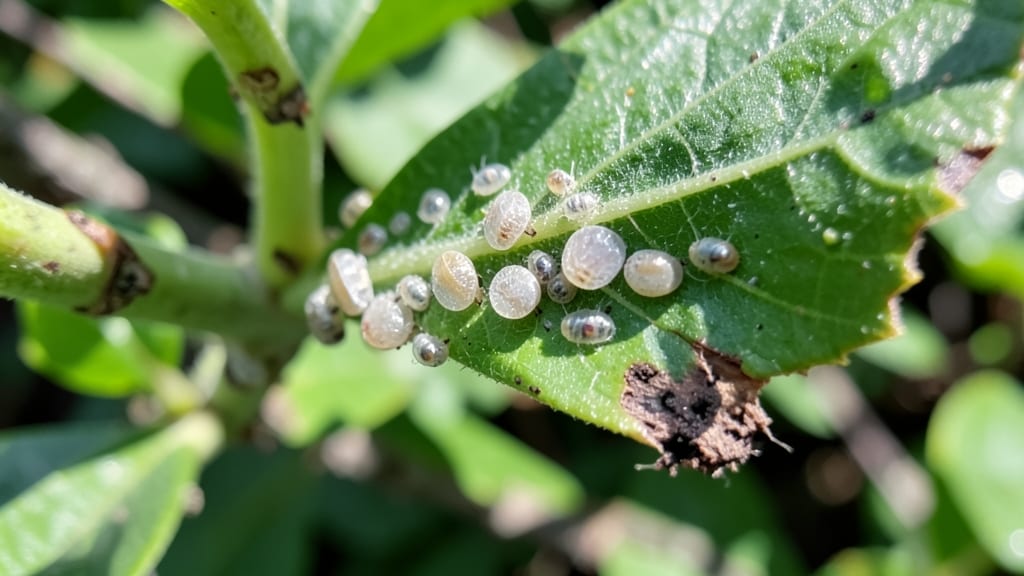
Scale insects on shrubs can turn your once-vibrant plants into sticky, weakened shadows—until you know the right tricks to kick them out for good.
I’ve battled these stubborn pests on my roses and boxwoods, and the secret isn’t just spraying but understanding their life cycle and hitting them at the right time. The good news? You don’t need harsh chemicals to win this fight—just the right tools and timing.
These tiny, armored bugs suck sap, leaving behind a shiny residue that attracts ants and sooty mold. My breakthrough came when I swapped weekly sprays for targeted treatments—like blasting them off with water or smearing them with homemade oil soap.
The key is consistency: check your shrubs every week during warm months, especially on the undersides of leaves where they love to hide.
By the end of summer, your shrubs will bounce back with fresh, vibrant growth—no more sticky leaves or wilting branches. The best part? These methods keep your plants healthy long-term while keeping pests from staging a comeback. Let’s get those shrubs thriving again without the guesswork.
Works for roses, boxwoods, azaleas, and even fruit trees—just adjust the timing based on your local pests. Here’s how to make it happen for your garden this season.
Root Causes of Scale Infestations
Scale insects thrive on shrubs due to a mix of environmental, biological, and human-related factors. Understanding these root causes is key to preventing and managing outbreaks effectively. Below, we break down the most common reasons why these pests target your shrubs—and how they exploit weaknesses in your plants.
Scale insects are attracted to shrubs that are already stressed or compromised. When plants are weak, their natural defenses—like sticky sap or tough bark—become less effective, making them easier targets.
- Nutrient Deficiencies 🌱: Shrubs lacking essential nutrients (such as nitrogen, phosphorus, or potassium) produce softer, more vulnerable tissue. Scales detect these deficiencies and latch on to feast on the easier-to-access sugars. - Water Stress 💧: Overwatering or underwatering disrupts a shrub’s ability to produce protective compounds.
Scales thrive in plants that are either drought-stressed (producing more sugar-rich sap) or waterlogged (weakened roots and stems). - Poor Soil Health 🌍: Compacted, nutrient-poor, or acidic soils hinder root growth, making shrubs more susceptible. Healthy roots = stronger plants that can fend off pests better.
Pro Tip: 💡 Conduct a simple soil test to check pH and nutrient levels. Amending soil with compost or organic matter can boost plant resilience naturally.
Scale insects are highly sensitive to temperature and humidity. When conditions align perfectly for them, infestations explode.
- Warm Temperatures 🔥: Scales prefer temperatures between 70–90°F (21–32°C). Heat speeds up their reproduction cycle, allowing females to lay hundreds of eggs in weeks. - Low Humidity 🌬️: While they dislike extreme dryness, scales thrive in moderate humidity (40–60%).
Dry conditions can kill beneficial predators (like ladybugs), giving scales free rein. - Sheltered Locations 🏡: Shrubs in protected spots (e.g., against walls, under eaves, or in dense foliage) retain more heat and moisture, creating a scale-friendly microclimate.
Actionable Fix: 🌡️ Prune shrubs to improve airflow and reduce humidity pockets. Avoid overcrowding plants, and consider reflective mulches to deter pests.
In a balanced ecosystem, predators keep scale populations in check. But when these natural controls disappear, scales multiply unchecked.
- Pesticide Overuse 🚫💊: Broad-spectrum chemical pesticides (like neonicotinoids or synthetic pyrethroids) kill beneficial insects first—think ladybugs, lacewings, and parasitic wasps that prey on scales.
- Monoculture Landscaping 🌿: Planting the same shrub species in clusters provides scales with a buffet while starving out their predators, which prefer diversity.
- Seasonal Die-Offs ❄️: Harsh winters or droughts can decimate predator populations, leaving scales to rebound aggressively in spring.
Pro Tip: 🌿 Encourage biodiversity by planting native flowers (like dill, fennel, or yarrow) near shrubs to attract predator insects. Avoid unnecessary pesticide use during scale outbreaks.
Sometimes, the problem starts with us—whether through unintentional introductions or poor plant care practices.
- Contaminated Tools or Nursery Stock 🌱🔄: Pruners, stakes, or even newly purchased shrubs can carry scale eggs or crawlers. If you’ve moved plants recently, this could be your source. - Over-Fertilization 🌿💥: Excess nitrogen (especially from synthetic fertilizers) promotes soft, sugary growth—a scale’s dream.
Organic fertilizers release nutrients slowly, reducing this risk. - Ignoring Early Signs 👀: Tiny white dots or sticky residue (honeydew) are often dismissed as harmless. By the time you notice large infestations, scales have already established colonies.
Actionable Step: 🔧 Sanitize tools with rubbing alcohol between uses, and inspect new plants for 2–3 weeks in quarantine before adding them to your garden.
Key Takeaway: Scales exploit weak plants + perfect conditions + lack of predators. By addressing these root causes—through better plant care, ecosystem balance, and smart landscaping—you can prevent outbreaks before they start.
Quick Fixes for Scale Infestations
Scale insects may be tiny, but they pack a big punch when left unchecked. The good news? With the right approach, you can tackle them effectively—even organically—without harming your shrubs.
Below, we’ve mapped out practical solutions based on the root cause of your infestation, along with prevention tips to keep those pesky pests away for good.
If you’ve spotted scale insects on fresh, tender shoots, act fast before they spread. These early-stage pests are easier to remove before they harden their protective shells.
🍳 Step 1: Manual Removal (Best for Small Infestations)
- 👨🍳 Gather tools: A soft-bristle brush, rubbing alcohol (70% isopropyl), and a spray bottle.
- 🥘 Scrub gently: Dip the brush in rubbing alcohol and carefully wipe away visible scale clusters. Focus on stems, leaves, and buds.
- ⏰ Repeat weekly: Keep an eye out for new hatchlings, especially after pruning.
💡 Pro Tip: Work on a cloudy day to avoid stressing the plant with direct sunlight.
If your shrubs are covered in waxy, armored scale, manual removal won’t cut it. These stubborn pests need a stronger organic approach.
🌡️ Step 2: Natural Sprays (Safe & Effective) Choose one of these DIY treatments and apply in the early morning or late evening to avoid burning leaves:
| Treatment | How to Use | Frequency |
|---|---|---|
| Neem Oil Solution | Mix 1 tsp neem oil + 1 tsp mild soap + 1 quart water. Shake well and spray until dripping. | Every 5–7 days for 3 weeks. |
| Horticultural Oil | Apply undiluted oil (follow label instructions) to suffocate scale. | Once in early spring or late fall. |
| Insecticidal Soap | Spray directly on scale (avoid flowers). Reapply after rain. | Every 3–5 days until gone. |
✨ Pro Tip: For large shrubs, use a hose-end sprayer to cover every inch. Test a small area first to check for sensitivity.
Ants love scale insects because they feed on their honeydew. Without ants, scale populations drop dramatically.
🔥 Step 3: Disrupt the Food Chain
- 🐜 Remove ant trails: Use diatomaceous earth (food-grade) around the base of the shrub to block ants.
- 🍯 Bait ants away: Place borax or sugar-water bait (1:1 ratio) near ant paths—they’ll carry it back to the colony, reducing their scale protection.
- 🌿 Plant ant-repelling herbs: Basil, mint, or tansy near your shrubs can deter ants naturally.
💡 Pro Tip: If ants are fire ants, avoid DIY methods—call a pro for safe removal.
Once you’ve banished scale, prevent reinfestation with these low-effort habits:
- 🌿 Inspect new plants: Quarantine recently purchased shrubs for 2 weeks before introducing them to your garden. - 🍃 Prune regularly: Remove dead or weak branches where scale thrives. Sterilize pruners with rubbing alcohol between cuts. - 🌞 Encourage predators: Ladybugs, lacewings, and parasitic wasps hate scale.
Attract them with native plants like yarrow or dill. - 💦 Water wisely: Deep, infrequent watering reduces humidity—scale loves damp, sheltered spots.
✨ Bonus Hack: Wrap yellow sticky traps around shrubs to catch flying scale nymphs before they land.
By targeting the cause of your scale problem—whether it’s new growth, deep infestations, or ant protection—you’ll restore your shrubs to full, healthy glory without harsh chemicals. Stay vigilant, and your greenery will thank you! 🌿💚
Frequently asked questions
How do I tell if my shrubs have scale insects?
Look for tiny white, brown, or gray bumps on stems and leaves—these are armored scales. You might also spot sticky residue (honeydew) on leaves or black sooty mold growing on the sticky spots. Check undersides of leaves and new growth where scales love to hide.
Can I use vinegar to kill scale insects?
Neat vinegar can harm plants, but a 1:1 vinegar-water mix (applied in early morning) may help small infestations. Test on a small area first—it’s not as effective as neem oil or insecticidal soap but can deter ants that protect scales. Avoid using it on acid-sensitive plants like azaleas.
Why do ants always appear when I have scale insects?
Ants farm scales like cattle! They protect them in exchange for honeydew (scale waste). Disrupt this relationship by using diatomaceous earth around the base of shrubs or setting out borax baits—ants will carry it back to their colonies, reducing their scale protection.
Will pruning alone remove scale insects?
Pruning helps by removing heavily infested branches, but it won’t eliminate all scales. Always sterilize tools with rubbing alcohol between cuts to prevent spreading eggs. For best results, combine pruning with neem oil sprays or insecticidal soap.
How often should I check my shrubs for scale?
Inspect your shrubs weekly during warm months (spring through fall) and monthly in winter. Early detection is key—scales multiply rapidly when left unchecked. Focus on new growth, leaf undersides, and areas where branches meet.