
Trees
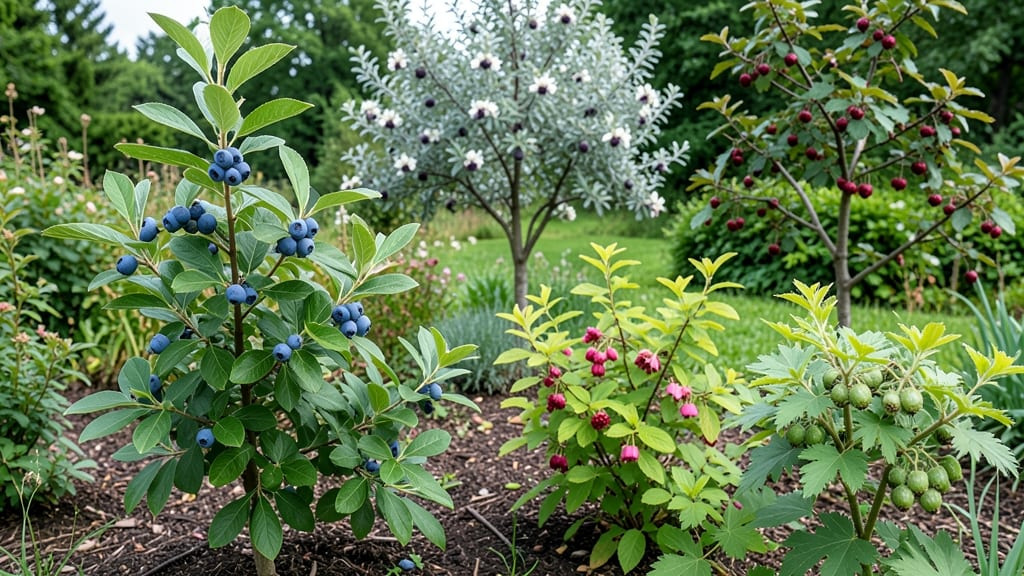
Transform your yard into a fragrant, fruiting paradise with shrub fruit trees—these compact powerhouses pack big flavor and beauty into small spaces. 🌿 I’ve grown blueberries, currants, and elderberries for years, and they’ve become the backbone of my low-maintenance orchard, producing fruit for pies, jams, and wildlife snacks.
The secret lies in their adaptability: they thrive in partial shade, need less space than full-sized trees, and many varieties produce fruit for decades with minimal care. Start with well-draining soil, 6-8 hours of sunlight, and regular mulching to keep roots cool and moist—no fancy equipment required.
By summer, you’ll be harvesting berries while enjoying fragrant flowers and lush foliage that stays vibrant through fall. These shrubs also attract pollinators and birds, turning your yard into a thriving ecosystem. Perfect for small gardens, urban lots, or even large containers. Let’s get your shrub fruit trees growing strong!
📚 In This Guide
- What you need
- Instructions
- Tips and common mistakes
- Wrapping up and next steps
What you need
- ● Shrub fruit tree saplings: Choose 1–3 varieties (e.g., loquat, medlar, or hawthorn) based on your climate zone.
- ● Well-draining potting mix: 5–10 gallons (or enough to fill your planting containers). Opt for a blend with compost, perlite, and peat moss.
- ● Planting containers: 15–25 gallon pots (or in-ground space) with drainage holes.
- ● Organic fertilizer: Balanced 10-10-10 or slow-release granules (1–2 lbs per tree).
- ● Mulch: 2–3 inches of wood chips or straw to retain moisture.
- ● Pruning shears: Sharp, sterilized shears for shaping and maintenance.
- ● Watering can or hose: With a gentle spray nozzle for hydration.
- ● Gloves: Heavy-duty gardening gloves to protect your hands.
- ● Trellis or stakes: For training vining varieties (e.g., mulberry).
- ● pH test kit: To check soil acidity (ideal: 6.0–7.0 for most shrub fruit trees).
- ○ Drip irrigation system: For automated watering (optional but handy!).
- ● Pest control: Neem oil or insecticidal soap (preventative measure).
Step-by-Step guide to cultivating shrub fruit trees
Here’s how I transform fragrant, low-maintenance shrubs into productive, year-round fruit producers.
🌱 Step 1: Select Disease-Resistant Varieties for Your Climate
Choose shrub fruit trees like serviceberry, elderberry, or currant—all adaptable to USDA zones 3-9. I prioritize varieties with natural resistance to common pests like aphids and fungal diseases. Check your local nursery for region-specific recommendations; for example, ‘Amber’ serviceberry thrives in cooler climates, while ‘Concorde’ elderberry handles heat and humidity better.
Look for plants labeled as dwarf or semi-dwarf if space is limited. These grow 6-10 feet tall but produce fruit just like their larger counterparts. Avoid rootstocks unless you’re grafting—most shrub fruit trees are sold as own-rooted plants, which simplifies care.
🪴 Step 2: Plant in Well-Draining Soil with Full Sun Exposure
Dig a hole twice as wide as the root ball but only as deep—burying too deep suffocates roots. Amend the native soil with 2-3 inches of compost mixed into the bottom half of the hole. Shrub fruit trees tolerate a range of soil types but perform best in slightly acidic to neutral pH (6.0-7.0).
Space plants 8-12 feet apart for proper airflow, which prevents fungal diseases. If growing in containers, use a 5-gallon pot minimum with drainage holes. I always add a 1-inch layer of gravel at the bottom before soil to prevent root rot—a common issue with heavy clay soils.
☀️ Step 3: Water Deeply and Mulch for Moisture Retention
Water newly planted shrubs 1-2 gallons per week for the first 6-8 weeks, focusing on the root zone. Let the top 2 inches of soil dry out between waterings—overwatering causes root rot, while underwatering stresses the plant. Drip irrigation or soaker hoses work best to deliver water directly to roots without wetting foliage.
Apply a 3-inch layer of organic mulch (wood chips or straw) around the base, keeping it 6 inches away from the trunk. Mulch conserves moisture, regulates soil temperature, and suppresses weeds. Refresh the mulch annually in early spring—this is when shrub fruit trees begin active growth and need consistent moisture.
✂️ Step 4: Prune for Airflow and Fruit Production
Prune in late winter or early spring, before buds swell but before new growth begins. Remove dead, diseased, or crossing branches first—these compete for nutrients and block sunlight. Cut back overly vigorous growth by one-third to encourage bushier, more productive branches.
Shape the shrub into an open vase form, allowing light to penetrate the center. This prevents dense growth that traps moisture and invites pests. I always sterilize pruners with rubbing alcohol between cuts to prevent spreading disease. After pruning, fertilize lightly with a balanced 10-10-10 formula to support new growth.
🍓 Step 5: Harvest and Maintain for Year-Round Interest
Fruit ripens in late summer to early fall, depending on the variety. Harvest when fruit is fully colored and slightly soft to the touch—serviceberries turn deep purple, elderberries dark blue-black, and currants glossy red or black. Pick fruit regularly to encourage more production; overripe fruit attracts pests and falls to the ground.
Leave some fruit on the shrub for wildlife—birds and pollinators play a key role in next year’s harvest. In fall, apply a 2-inch layer of mulch and reduce watering slightly. Shrub fruit trees are hardy but benefit from a light winter protection layer in colder zones (below zone 5), like wrapping the base with burlap.
Tips & tricks for growing thriving shrub fruit trees
Here’s what I’ve learned after years of turning fragrant shrubs into productive fruit producers—these are the game-changers that make all the difference.
Climate-Smart Selection: When choosing varieties in Step 1, don’t just look at hardiness zones—check for local disease resistance. For example, ‘Sentinel’ elderberry handles powdery mildew better than most varieties in humid climates. I’ve found that nurseries often carry region-specific strains that outperform generic labels, so ask staff about your microclimate’s common issues. This single step can save you from years of pest battles.
Soil Science That Works: The 2-3 inches of compost in Step 2 should be mixed with native soil in a 1:3 ratio—don’t just dump it in the hole. I’ve seen gardeners overdo it with compost, which can create anaerobic pockets that suffocate roots. Test your soil’s pH before planting; if it’s already acidic (below 6.0), add lime sparingly to avoid shocking the plant. A simple soil test kit makes this easy.
Watering Wisdom: Those 1-2 gallons per week in Step 3 might seem like a lot, but shrub fruit trees need deep hydration to establish strong root systems. I recommend watering in the early morning to reduce evaporation and fungal risks. A 5-gallon bucket with holes drilled in the bottom makes this precise—just place it at the root zone and let it drain slowly. This method also helps prevent overwatering, which is the #1 killer of young shrubs.
Pruning Precision: In Step 4, when you’re cutting back overly vigorous growth by one-third, focus on removing branches that grow inward or cross each other. These compete for sunlight and nutrients, reducing fruit production. I use sharp, sterilized bypass pruners and make cuts at a 45-degree angle just above a leaf node. This encourages outward growth and prevents disease entry points. The open vase shape isn’t just aesthetic—it’s crucial for airflow that keeps fruit healthy.
Pro Tips for Shrub Fruit Trees
- Here’s what I’ve learned after years of turning fragrant shrubs into productive fruit producers—these are the game-changers that make all the difference.
- Climate-Smart Selection: When choosing varieties in Step 1, don’t just look at hardiness zones—check for local disease resistance.
- Soil Science That Works: The 2-3 inches of compost in Step 2 should be mixed with native soil in a 1:3 ratio—don’t just dump it in the hole.
Frequently asked questions
Got questions about growing shrub fruit trees? You’re not alone! Here are some common ones—and the answers to help you cultivate a thriving, fragrant garden year-round.
What’s the best time to plant shrub fruit trees?
Plant in early spring (after the last frost) or fall (6–8 weeks before your first frost). This gives roots time to establish before extreme weather. Avoid planting in summer heat or winter freezes—both stress young plants!
How do I know if my shrub fruit tree is healthy?
Healthy shrub fruit trees have vibrant leaves (no yellowing or spots), smooth bark (no cracks or oozing sap), and plentiful blooms/fruit. Wilting, stunted growth, or pests like aphids? Check soil moisture, sunlight, and prune dead branches promptly.
How long does it take for shrub fruit trees to bear fruit?
Most dwarf or shrub varieties (like blueberry or currant bushes) fruit in 1–3 years with proper care. Patience pays off—young trees focus on root growth first! Mulch and fertilize to speed up the process.
Can I grow shrub fruit trees in containers?
Dwarf varieties (e.g., columnar apple or patio peach) thrive in 5-gallon+ containers with well-draining soil. Use a balanced fertilizer and repot every 2–3 years. Just ensure they get 6+ hours of sunlight daily.
What pests should I watch for, and how do I treat them?
Common culprits: aphids (sap-sucking insects), spider mites (tiny webs), and fruit flies. Start with neem oil or insecticidal soap. For severe infestations, prune affected branches and introduce beneficial predators (like ladybugs).
Wrapping up and next steps
Shrub fruit trees are a game-changer for gardeners who crave beauty and bounty year-round! 🌿 From fragrant blossoms to delicious harvests, these versatile plants bring color, texture, and flavor to your landscape with minimal fuss.
Whether you're a beginner or a seasoned green thumb, their low-maintenance nature makes them the perfect addition to any yard.
Ready to transform your space? Start by choosing your favorite varieties—like berries, citrus, or flowering shrubs—and pick a sunny spot with well-draining soil. Then, grab your tools and get planting! With a little care, you’ll soon be enjoying a living, edible masterpiece that keeps giving back.