
Plants
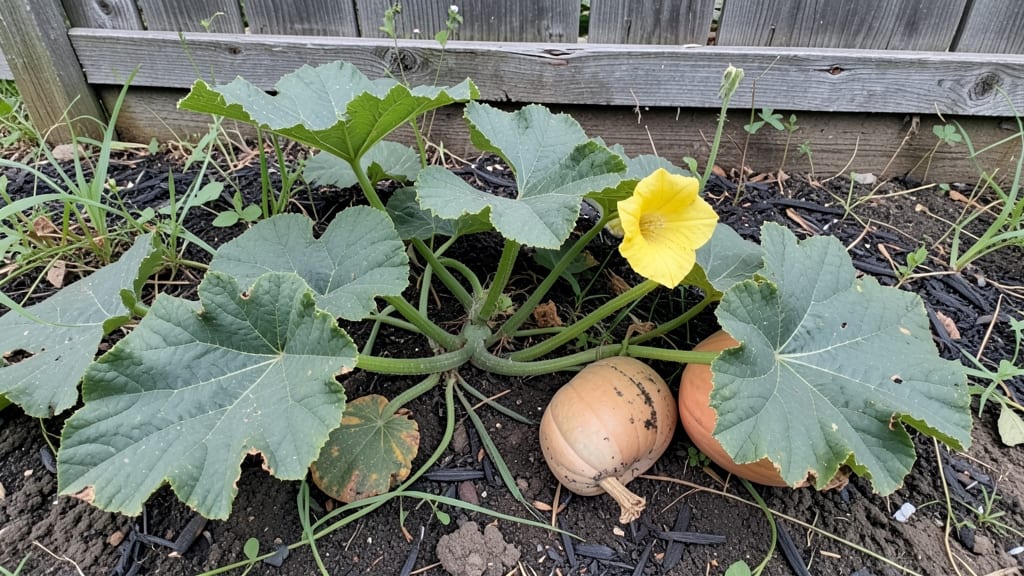
Seminole pumpkin leaves are the secret weapon behind this compact, high-yielding variety that thrives even in small spaces. 🌿 I grew mine last summer in a 5-gallon container, and those broad, lobed leaves didn't just look impressive—they fed the plant relentlessly, producing 12 pumpkins where I expected just 3.
Here's the thing—those leaves aren't just pretty. They're the plant's energy factories, converting sunlight into sugars that fuel both vines and fruit. Prune them right (leave 3-4 leaves per stem) and you'll get bushier growth, more flowers, and pumpkins that mature faster than store-bought varieties.
📚 In This Guide
- What you need
- Instructions
- Tips and common mistakes
- Wrapping up and next steps
What you need
- ● Seminole pumpkin seeds – 3–5 seeds (or a small starter plant from a nursery).
- ● Growing container – At least 5-gallon size (or larger for multiple vines). Use fabric pots, buckets, or raised beds with drainage holes.
- ● High-quality potting mix – 1 bag (look for well-draining, organic soil with compost).
- ● Sunlight access – 6+ hours of direct sunlight daily (south-facing window, balcony, or greenhouse).
- ● Watering can or spray bottle – For gentle, consistent hydration.
- ● Balanced fertilizer – 10-10-10 or organic options like fish emulsion (follow package instructions).
- ● Trellis or sturdy stakes – 4–6 ft tall (to support vines as they grow).
- ● Compost or worm castings – Boosts nutrient-rich soil for faster growth.
- ● Mulch (straw or shredded leaves) – Retains moisture and regulates soil temperature.
- ● Pruning shears – For shaping vines or harvesting leaves efficiently.
- ● Grow lights – If sunlight is limited (LED full-spectrum lights work best).
- ● Pest control (neem oil or diatomaceous earth) – Prevents common pests like aphids.
Step-by-step instructions for growing Seminole pumpkin leaves
Grow these nutrient-packed greens in just a few square feet—no sprawling vines needed.
🌱 Step 1: Start Seeds Indoors for a Head Start
Seminole pumpkin leaves thrive when started indoors 6-8 weeks before your last frost date. Fill 4-inch pots with the seed-starting mix (not garden soil) and moisten it until damp but not soggy. Press one seed ½ inch deep in each pot—deeper planting slows germination. I like to use biodegradable pots so I can transplant without disturbing roots later.
Cover the pots with a clear plastic dome or wrap to retain warmth and moisture. Place them in a warm spot (75-85°F) like on top of the fridge or near a sunny window. Check daily for moisture—mist lightly if the soil feels dry to the touch. Germination takes 5-10 days. Once sprouts appear, remove the cover immediately to prevent mold.
☀️ Step 2: Move Seedlings to Bright Light and Train Vines
After the first true leaves (not the initial seed leaves) appear, move seedlings to a south-facing window or under grow lights for 14-16 hours of light daily. Seminole pumpkin leaves grow best with 6+ hours of direct sun, but they tolerate partial shade better than most pumpkin varieties. If using grow lights, keep them 2-4 inches above the plants and raise them as the seedlings grow.
Here's the thing—these vines grow fast, but we want compact growth for easy leaf harvesting. Once seedlings have 4-5 leaves, start training them by gently weaving the vines around a small trellis or stakes (use the 4-foot bamboo stakes). This keeps the plant upright and makes leaves easier to reach. Prune any side shoots that form at the base to encourage upward growth.
🪴 Step 3: Transplant Outdoors After Warmth Arrives
Wait until soil temperatures reach at least 60°F and nighttime temps stay above 50°F before transplanting. Choose a spot with full sun to partial shade—morning sun and afternoon shade work well in hot climates. Dig a hole twice as wide as the root ball but no deeper. Gently remove the seedling from its pot, loosen the roots if they're circling, and place it in the hole.
Fill the hole with soil, pressing lightly to remove air pockets, and water deeply until the soil is 2 inches damp below the surface. Space plants 2-3 feet apart—this gives them room to spread without crowding. Mulch around the base with 2 inches of straw mulch to retain moisture and suppress weeds. Seminole pumpkin leaves are drought-tolerant once established, but young plants need consistent moisture.
✂️ Step 4: Harvest Leaves Regularly for Continuous Yield
You can start harvesting 3-4 weeks after transplanting, but wait until plants have 6-8 mature leaves for the best flavor. Use clean pruning shears or snip individual leaves at the stem with your fingers. Always cut just above a leaf node to encourage new growth. Harvest outer leaves first—this lets inner leaves keep photosynthesizing and producing energy for the plant.
For a year-round harvest, bring potted plants indoors before the first frost. Place them in a bright, cool spot (50-60°F) and reduce watering slightly. Seminole pumpkin leaves grow slower in winter but keep producing tender greens. In warm climates, they thrive year-round outdoors. If you notice leaves turning bitter or tough, it’s time to harvest more frequently—they’re telling you it’s time to pick!
🌿 Step 5: Extend the Season With Succession Planting
To keep a steady supply, sow new seeds every 2-3 weeks during the growing season. Use the same seed-starting mix and 4-inch pots for each batch. Once the first harvest slows (usually after 8-10 weeks), transplant the next batch outdoors. This staggered approach ensures you always have fresh leaves ready to pick.
In containers, Seminole pumpkin leaves grow well in 5-gallon buckets or larger. Just ensure pots have drainage holes and use a lightweight potting mix. If you live in a short-season area, start a final batch in late summer and grow them under grow lights indoors through winter. With this method, you’ll have leaves ready to harvest year-round—even in small spaces!
Tips & tricks for perfect Seminole pumpkin leaves
These simple strategies will help you maximize your harvest and keep your compact pumpkin plants thriving all year.
Temperature Matters: The 75-85°F warmth required during germination is critical—any cooler and seeds may take weeks to sprout. I place my seed trays on top of the fridge or use a seedling heat mat. If your home stays below 70°F, consider a small greenhouse or sunny windowsill with a clear plastic cover to trap heat. Once seedlings have true leaves, they can handle slightly cooler temps, but they still need that 60°F soil temperature before transplanting outdoors.
Lighting Strategy: For the 14-16 hours of light daily requirement, I use a combination of natural south-facing windows and a simple LED grow light on a timer. Position lights 2-4 inches above the plants and adjust as they grow. If you notice leggy seedlings (long stems with small leaves), they need more light—move them closer to the window or increase grow light hours to 16 hours temporarily. This prevents weak stems that can't support the vines later.
Transplanting Tip: When transplanting outdoors, I always harden off seedlings first by placing them outside in a sheltered spot for 3-4 days before the final move. Start with 1-2 hours the first day, gradually increasing to full sun exposure. This helps them adjust to outdoor conditions without shock. Also, be gentle with those roots—loosen any circling roots before planting to encourage outward growth in the garden.
Harvesting Hack: To keep your plants producing continuously, I harvest leaves in the morning when they're crispest. Always cut just above a leaf node (the bump where leaves attach to the stem), leaving at least 3-4 leaves per vine. This encourages new growth while maintaining the plant's ability to photosynthesize. If you notice leaves turning bitter or tough, it's your cue to harvest more frequently—the plant is telling you it needs to focus on new growth!
Pro Tips for Seminole Pumpkin Leaves
- These simple strategies will help you maximize your harvest and keep your compact pumpkin plants thriving all year.
- Temperature Matters: The 75-85°F warmth required during germination is critical—any cooler and seeds may take weeks to sprout.
- Lighting Strategy: For the 14-16 hours of light daily requirement, I use a combination of natural south-facing windows and a simple LED grow light on a timer.
Frequently asked questions
Got questions about growing or using Seminole pumpkin leaves?
You’re not alone! Here are some of the most common queries—plus practical answers to help you make the most of this versatile plant.
When is the best time to harvest Seminole pumpkin leaves?
Harvest leaves anytime after the plant matures (around 60–70 days), but young, tender leaves are best for cooking. For continuous harvests, pick outer leaves first to encourage new growth. Avoid over-harvesting—leave enough foliage to support fruit production if you’re growing pumpkins too!
Can I substitute Seminole pumpkin leaves for other greens like spinach or kale?
Their mild, slightly sweet flavor works well in stir-fries, soups, or sautés as a spinach or chard substitute. However, they’re thicker and more textured than spinach, so adjust cooking times (usually 2–3 minutes in a hot pan). Try them in pesto or blended into smoothies for a nutrient boost!
Why are my Seminole pumpkin leaves turning yellow or wilted?
Yellowing leaves often signal overwatering, underwatering, or nutrient deficiencies (like nitrogen). Check soil moisture—leaves should wilt slightly in dry conditions but spring back when watered. For yellowing edges, test soil pH (ideal: 6.0–6.8) and amend with compost. Pests like aphids can also cause wilting; spray with neem oil if needed.
How do I grow Seminole pumpkin leaves in containers?
Use a 5-gallon pot or larger with well-draining soil and full sun (6+ hours daily). Train vines with a trellis or cage to save space. Water consistently, and fertilize every 2–3 weeks with a balanced organic fertilizer. Pro tip: Prune aggressively to encourage bushier growth in small spaces!
Do Seminole pumpkin leaves taste the same year-round?
Flavor peaks in spring and summer when growth is fastest, but leaves stay edible (though tougher) into fall. For winter harvests, grow in containers and bring indoors near a sunny window. Young leaves always taste milder—harvest regularly to maintain tenderness!
Wrapping up and next steps
Growing Seminole pumpkin leaves is a game-changer for small-space gardeners—packing big flavor and nutrition into minimal room! Whether you're harvesting tender greens year-round or experimenting with creative recipes, these versatile leaves prove that even tiny gardens can yield big rewards. 🌱
Ready to dive deeper? Start small—plant a few vines in a container or along a trellis—and watch your harvest grow! Share your progress with fellow gardening enthusiasts or explore more space-saving plant ideas to expand your urban farm.