
Landscaping
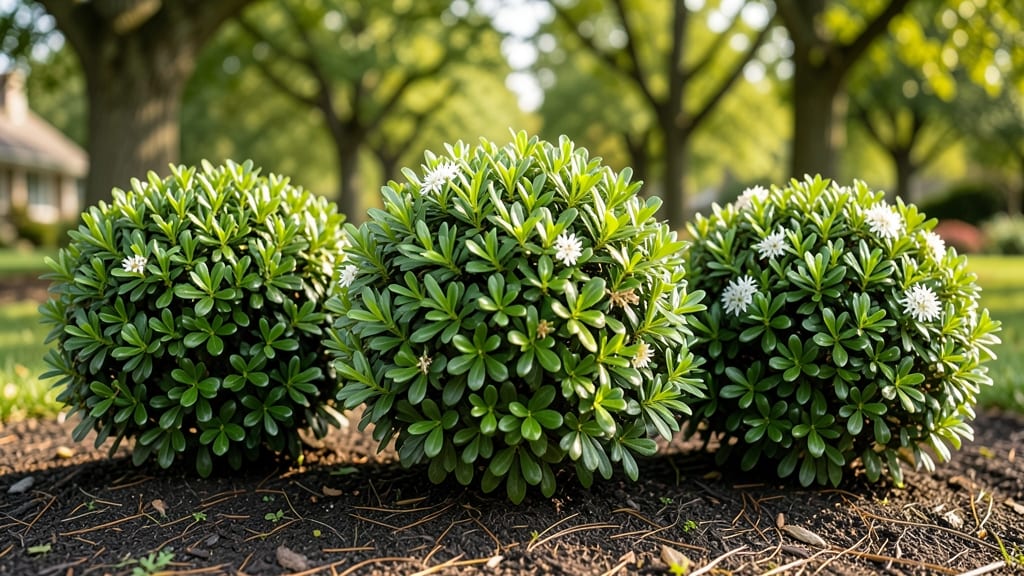
Fast-growing privacy without the years of waiting—these short shrubs transform your yard in just one growing season. 🌿 I’ve planted enough hedges to know that boxwood and dwarf lilacs aren’t just pretty; they’re the workhorses of low-maintenance landscaping, offering year-round structure and color with minimal fuss.
The key is choosing the right mix for your space—whether you want a crisp, formal border or a soft, natural screen. These shrubs thrive in partial shade to full sun, making them perfect for tricky spots where grass won’t grow.
A well-placed row of abelia or inkberry can block nosy neighbors’ views while adding texture and seasonal interest—think glossy evergreen leaves in winter or delicate blooms in spring. The best part? They stay compact, so you skip the constant pruning of overgrown hedges.
By the end of summer, you’ll have a lush, low-maintenance privacy screen that actually enhances your home’s curb appeal. No more patchy gaps or weeds sneaking through—just tidy, vibrant greenery that feels intentional. And the best designs combine three or four varieties for height, texture, and seasonal color shifts.
Works for foundation plantings, property lines, or even as a living room divider. Let’s pick the perfect shrubs for your layout!
📚 In This Guide
- What you need
- Instructions
- Tips and common mistakes
- Wrapping up and next steps
What you need
- ● Short shrubs: Choose 3–5 fast-growing varieties (e.g., Dwarf Fountain Grass, Boxwood, or Lilac). Plan for 1–2 plants per 1–2 sq ft of space, depending on maturity size.
- ● Potting soil or landscape mix: 2–3 cubic feet per shrub (or 1 bag per 2–3 plants). Opt for well-draining, organic-rich soil (e.g., Miracle-Gro Garden Soil).
- ● Mulch: 2–3 inches of pine bark, shredded wood, or compost (covers the root zone to retain moisture).
- ● Fertilizer: Slow-release granular fertilizer (e.g., 10-10-10 NPK ratio) or organic options like composted manure.
- ● Watering can or hose with a gentle spray nozzle.
- ● Required: Hand trowel or garden spade
- ● Gloves (gardening or work gloves)
- ● Measuring tape (for spacing plants 12–36 inches apart, depending on variety)
- ● Pruning shears (for shaping and maintenance)
- ○ Optional (but helpful): Wheelbarrow (for hauling soil/mulch)
- ● Soil pH tester (to ensure 6.0–7.0 range for most shrubs)
- ● Edging tool (for clean borders)
- ● Knee pad (for comfort during planting)
- ● ✅ Sunlight assessment: Confirm your shrubs’ sunlight needs (full sun, partial shade, or full shade) and match them to your yard’s conditions.
- ● ✅ Soil test: Check drainage—avoid soggy or rocky soil unless amending with compost.
- ● ✅ Local climate zone: Verify hardiness zones (e.g., USDA Zones 5–9 for many short shrubs).
- ● ✅ Water source nearby: Shrubs need 1–1.5 inches of water weekly (more during drought).
How to select and plant short shrubs for fast landscaping privacy
Here's my go-to method for creating lush, low-maintenance privacy screens that grow fast without overwhelming your yard.
🌱 Step 1: Choose Fast-Growing, Compact Shrub Varieties
Pick shrubs that mature between 3-6 feet tall and grow 2-3 feet per year—perfect for quick privacy without towering over your space. My top picks are Dwarf Fothergilla (fragrant spring blooms), Inkberry Holly (evergreen with glossy leaves), and Boxwood (dense, mounding shape). Check your hardiness zone to ensure the shrub thrives in your climate.
I always buy 1-gallon containers for immediate impact—these establish faster than bare-root plants. Look for healthy specimens with no yellowing leaves and compact root balls. Avoid leggy or sparse plants, as they’ll struggle to fill out quickly. Planting 4 shrubs in a row creates a solid screen within 2-3 seasons—that’s the magic of fast-growing varieties.
🪴 Step 2: Prepare the Planting Site for Optimal Growth
Dig holes twice as wide as the root ball but only as deep as the container’s height. Amend the native soil with compost (mix 1 part compost to 3 parts soil) to improve drainage and fertility. This step is critical—poor soil slows growth, and you want these shrubs to fill in fast. I use a trowel to loosen the sides of the hole so roots can spread easily.
Space shrubs 3-4 feet apart for a natural, dense look. If you’re planting in a row for privacy, stagger them slightly (like bricks in a wall) to hide gaps. Water the hole before planting to settle the soil—this prevents air pockets that can suffocate roots. The goal is minimal maintenance, so proper prep now means fewer headaches later.
☀️ Step 3: Plant and Water for Immediate Establishment
Remove the shrub from its container and loosen the roots if they’re circling. Place it in the hole so the top of the root ball sits level with the ground—burying too deep suffocates the plant, while planting too high stresses it. Backfill with native soil (no amendments now) and press gently to eliminate air pockets.
Water deeply right after planting—1 gallon per shrub—to encourage roots to spread. Mulch with 2-3 inches of shredded bark (keep it 6 inches away from the stem) to retain moisture and suppress weeds. This mulch layer is a game-changer: it keeps soil temps stable and reduces watering by 30%. Check moisture weekly—water when the top inch of soil feels dry to the touch.
✂️ Step 4: Prune and Maintain for Fast, Dense Growth
Give your shrubs a light trim in early spring to shape them and encourage bushiness. Use clean, sharp shears to cut just above a leaf node—this prevents unsightly stubs. Avoid heavy pruning the first year; you want roots to establish before pushing new growth. I prune Dwarf Fothergilla lightly in late winter to remove dead branches, while Boxwood gets a light shaping trim in early spring.
Fertilize once a year in early spring with a balanced, slow-release fertilizer (10-10-10). Over-fertilizing leads to weak growth, and these shrubs grow fast enough without extra boosts. Watch for pests like spider mites or scale—if you see sticky residue on leaves, spray with neem oil (it’s organic and effective). With minimal pruning and proper watering, your shrubs will fill in twice as fast as slower varieties.
Tips & tricks for fast-growing privacy landscaping
Here's what nobody tells you about making your shrubs grow twice as fast—and stay healthy for years.
Variety Matters: Stick to the 2-3 feet per year growth rate mentioned in Step 1—this is the sweet spot for quick privacy. I've learned that Dwarf Fothergilla and Inkberry Holly are the real workhorses. They handle different light conditions better than slower-growing varieties, so you can plant them in partial shade if needed. For maximum density, mix species—like alternating Boxwood with Holly—to create natural texture variations.
Soil Prep Secret: The 1 part compost to 3 parts soil ratio in Step 2 is non-negotiable for fast growth. I've seen people skip this and wonder why their shrubs struggle. Pro tip: Add a handful of slow-release organic fertilizer to each hole before planting—it gives roots a nutrient boost right from the start without burning them. Just don't overdo it; these shrubs grow fast enough without heavy feeding.
Watering Wisdom: That 1 gallon per shrub immediately after planting in Step 3 is crucial, but don't stop there. For the first 2 weeks, water every other day in hot weather to keep the root balls moist. I use a soaker hose for deep, even watering that doesn't create surface evaporation. The 2-3 inches of mulch helps, but it's not a substitute for consistent moisture during establishment.
Pruning Hack: When you do your light trim in early spring (Step 4), cut at a 45-degree angle just above a leaf node. This encourages bushier growth and prevents those unsightly stubs. I've found that Boxwood responds best to this method—it grows back denser and fills out faster. For Dwarf Fothergilla, a little more aggressive shaping in late winter actually speeds up spring growth.
Pro Tips for Short Shrubs For Landscaping
- Here's what nobody tells you about making your shrubs grow twice as fast—and stay healthy for years.
- Variety Matters: Stick to the 2-3 feet per year growth rate mentioned in Step 1—this is the sweet spot for quick priv...
- Soil Prep Secret: The 1 part compost to 3 parts soil ratio in Step 2 is non-negotiable for fast growth. I've seen peo...
Frequently asked questions
Got questions about short shrubs for your landscaping project?
Here are some of the most common ones—and their straightforward answers—to help you plan with confidence!
What are the fastest-growing short shrubs for quick privacy?
If you need fast results, opt for Dwarf Fothergilla (1–2 ft/year) or Dwarf Lilac (1–1.5 ft/year). For even quicker coverage, try Boxwood 'Green Velvet' (12–18 inches tall) or Abelia 'Kaleidoscope', which thrives in sun and spreads rapidly. Just be patient—most still take 1–3 years to fully fill in!
When is the best time to plant short shrubs for landscaping?
The ideal window is early spring (after the last frost) or early fall (6–8 weeks before the first frost). These times let roots establish before extreme heat or cold. Avoid planting in summer’s scorching heat or winter’s frozen ground—both stress young shrubs. Pro tip: Water deeply after planting to reduce transplant shock!
Can I use short shrubs as a living fence instead of a wooden or metal one?
Short shrubs like Dwarf Boxwood or Abelia create a soft, natural barrier that’s low-maintenance and visually appealing. For height (3–4 ft), try Dwarf Hydrangea or Potentilla. Just space them 18–24 inches apart for dense growth. Bonus: They’ll need pruning once or twice a year to keep them tidy!
How do I keep pests and diseases away from my short shrubs?
Prevention is key! Water at the base (not overhead) to deter fungal issues, and mulch around the base to retain moisture. Watch for aphids or spider mites—spray with soapy water if you spot them. For disease-resistant picks, choose Dwarf Ninebark or Dwarf Spirea. Prune in late winter to improve airflow and reduce hiding spots for pests.
What’s a good alternative if I don’t want shrubs at all?
No problem! Try ornamental grasses (like Miscanthus), low-growing perennials (such as Creeping Thyme), or climbing vines (like Clematis) on a trellis. For a modern look, succulents or sedum require almost no water. Just ensure your alternatives match your climate and sunlight needs!
Wrapping up and next steps
Short shrubs are a game-changer for low-maintenance landscaping—offering quick privacy, year-round beauty, and easy care without the hassle of towering hedges. Whether you’re framing a patio, softening a fence, or adding texture to borders, these resilient plants deliver big impact with minimal effort. 🌿✨
Ready to transform your outdoor space? Start by sketching a simple layout, picking 2–3 shrubs that thrive in your climate, and planting them in clusters for cohesive coverage. Before you know it, your yard will be the envy of the neighborhood—without the upkeep!
Pro tip: Snap a photo of your design first to visualize the final look! 📸