
Pests and Diseases
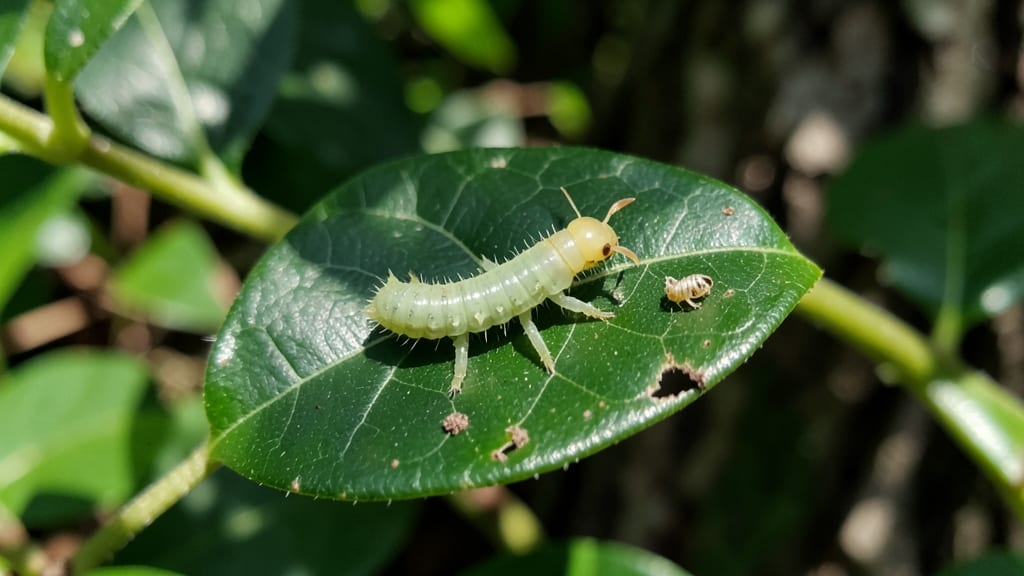
My shrub insect control breakthrough came when I nearly lost my lilacs to aphids last spring. 🌿 That vinegar-infused spray I whipped up in 20 minutes saved the plants—and it’s the same solution I’ve used ever since for spider mites, scale, and even Japanese beetles.
The key is mixing the right ratio of vinegar to water with a drop of dish soap to help it stick. Most people overcomplicate this, but you only need 1 gallon of water, 1 cup of white vinegar, and a teaspoon of soap.
Spray in the early morning or evening when pests are least active, and repeat every 7-10 days until they’re gone.
What you’ll see is shrubs that look shockingly lush without sticky residues or chemical smells. The spray works because it disrupts pests’ protective coatings while being safe for plants once properly diluted. Plus, it’s a fraction of the cost of store-bought insecticides.
Works for all shrubs—azaleas, hydrangeas, boxwoods—and even perennials. The only catch? Test a small leaf first, since some plants (like azaleas) prefer slightly less vinegar. Here’s the full recipe and application tips!
Root Causes of Shrub Invaders
Understanding why insects target your shrubs is the first step to reclaiming their health—and your peace of mind. These tiny troublemakers don’t just show up randomly. They’re drawn by a mix of environmental cues, plant weaknesses, and even human habits.
Let’s break down the key reasons your shrubs are becoming an all-you-can-eat buffet for pests, so you can address the real problem, not just the symptoms.
Insects don’t just randomly pick your shrubs—they’re lured by nutrient-rich, tender, or stressed foliage. Here’s why your plants might be sending out a neon "EAT ME" sign:
- Soft, New Growth Young leaves and stems are packed with sugars and water, making them a high-calorie snack for sap-sucking pests like aphids, spider mites, and scale insects. 🍃→🐜 Think of it like a fast-food drive-thru for insects.
- Example: Boxwoods and azaleas often attract pests when they’re actively growing in spring.
- Weakened Immune Systems Shrubs under stress (from drought, poor soil, or disease) produce chemical distress signals that attract insects.
It’s like a plant’s version of a "Help, I’m vulnerable!" text. 🚨 - Common triggers: - Overwatering (root rot = easy entry for borers and fungus gnats). - Underwatering (dry, brittle leaves = aphids and whiteflies move in). - Nutrient deficiencies (yellowing leaves = a red flag for pests like mites).
- Sap and Sugar Overload Some shrubs naturally produce sticky sap or excess sugars, which act like a magnet for insects. 🍯→🐜
- Problem plants: Lilacs, roses, and fruit-bearing shrubs (like serviceberry) are often pest hotspots because of their sugary secretions.
Mother Nature plays a huge role in insect outbreaks. Certain weather patterns create the perfect storm (literally) for pests to thrive:
- Warm, Dry Spells Heat and drought stress shrubs, making them more susceptible to mites, borers, and bark beetles.
Plus, dry conditions allow eggs to survive longer in the soil. ☀️🔥 - Actionable insight: If your area has had a long dry season, check for webbing on leaves (spider mites) or sawdust-like frass (borer activity).
- High Humidity Moist environments are ideal for fungus gnats, slugs, and soft-bodied insects like mealybugs. 🌧️🐜
- Red flag: If your shrubs are in a shaded, damp area, you’re more likely to see mold, mildew, and pest clusters.
- Mild Winters In colder climates, harsh winters naturally cull pest populations. But with milder winters, insects survive and reproduce faster. ❄️→🐛
- Example: Japanese beetles and scale insects are worse in regions with short, mild winters.
Sometimes, we’re the reason pests move in. Unintentional gardening mistakes can turn your shrubs into a pest paradise:
- Over-Fertilizing Too much nitrogen or synthetic fertilizers can weaken plant defenses and attract sap-suckers. 💥🌿
- Fix it: Switch to slow-release, organic fertilizers (like compost or worm castings) to avoid nutrient spikes.
- Ignoring Pruning Overgrown or improperly pruned shrubs create:
- Dense foliage (traps moisture, inviting fungus gnats and mites).
- Dead branches (perfect hiding spots for borers and beetles).
- Open wounds (entry points for bark-eating pests). ✂️🚫
- Bringing in Infested Plants or Soil
- Contaminated mulch, potting soil, or new plants can introduce pests like root-knot nematodes or whiteflies. 🛑
- Pro tip: Quarantine new plants for 2–4 weeks before introducing them to your garden.
- Poor Drainage Waterlogged soil stresses roots, making shrubs more attractive to root borers, grubs, and slugs. 💦😬
- Solution: Amend soil with sand or perlite and ensure proper grading to prevent pooling.
A healthy garden has predator insects (like ladybugs, lacewings, and parasitic wasps) that naturally keep pests in check. But when these balances tip, pests take over:
- Loss of Beneficial Insects
- Pesticide overuse kills both pests and their natural enemies. 🚫💀
- Monoculture gardening (planting only one type of shrub) reduces biodiversity, making outbreaks worse.
- Invasive Species Outcompeting Natives
- Non-native shrubs (like burning bush) often lack the co-evolved defenses of native plants, making them easier targets. 🌍🔄
- Example: English ivy can attract scale insects because it’s not adapted to local predator insects.
- Lack of Plant Diversity A monotonous landscape offers pests easy access to food with no breaks. 🌳🌿→🌳🌿
- Fix it: Plant companion shrubs (like lavender or rosemary) that repel pests naturally.
Different insects peak at different times, and their life cycles are tied to your shrub’s growth stages:
| Season | Common Pests | Why They Strike Now |
|---|---|---|
| Early Spring | Aphids, Mealybugs, Scale | New growth is sugar-rich and tender. |
| Late Spring | Japanese Beetles, Leafhoppers | Warmth triggers egg hatching and mating. |
| Summer | Spider Mites, Borers | Heat and drought stress plants, making them vulnerable. |
| Fall | Whiteflies, Fungus Gnats | Decaying leaves provide shelter and food. |
| Winter | Overwintering Eggs (e.g., Scale) | Cold preserves eggs until spring. |
Pests don’t attack shrubs randomly—they’re responding to weakness, opportunity, or environmental cues. The good news? By addressing these root causes (stress, habitat, timing, and human habits), you can starve out pests before they become a full-blown infestation.
Next up: Learn how vinegar-based sprays disrupt these cycles without harming your plants—or the beneficial insects keeping your garden in balance. 🚀
Natural Fixes for Shrub Pests
Shrubs can become a battleground for insects, but the good news is you don’t need harsh chemicals to reclaim your green space. 🌿🚫🐜 Below are practical, vinegar-based, and eco-friendly solutions tailored to common shrub pest problems—plus prevention tips to keep your plants thriving long-term.
Cause: Sticky residue on leaves? Scale insects suck sap, leaving a sugary film that attracts mold. Fix:
- Mix a strong vinegar spray (1 part white vinegar + 2 parts water + 1 tsp dish soap).
- Spray directly on infested areas, focusing on stems and undersides of leaves.
- Repeat every 3–5 days until scales disappear (they’re stubborn!).
- Wipe down leaves with a damp cloth afterward to remove residue.
💡 Pro Tip: Scale insects hate neem oil too—add 1 tsp per gallon of spray for extra punch.
Cause: Tiny clusters of aphids or cottony mealybugs? They weaken plants by draining nutrients. Fix:
- Blast them off with a hose spray (forceful water disrupts their grip).
- Apply vinegar spray (1:3 ratio vinegar to water + 1 tsp soap) early morning (avoids burning leaves in sunlight).
- Introduce ladybugs—they’re natural aphid predators! (Buy online or attract with dill/marigolds.)
✨ Prevention: Plant garlic or chives nearby—their scent repels soft-bodied pests.
Cause: Skeletons of leaves? These metallic-green beetles devour foliage in minutes. Fix:
- Set up traps (commercial ones or DIY: fill a jar with beer + water—beetles drown).
- Handpick beetles into soapy water early morning (they’re sluggish then).
- Spray with vinegar + cayenne pepper (1:4 ratio + 1 tsp pepper)—the spiciness confuses their scent receptors.
🌡️ Heat Hack: Mulch with diatomaceous earth—it dehydrates beetles on contact (reapply after rain).
Cause: Tiny webs + yellowing leaves? Spider mites thrive in dry conditions. Fix:
- Increase humidity around shrubs (mist leaves daily or use a pebble tray under pots).
- Spray with vinegar + water (1:1 ratio) every 2 days—mites hate the acidity.
- Release predatory mites (like Phytoseiulus persimilis) for long-term control.
🎯 Targeted Tip: Focus spray on leaf undersides—that’s where mites hide!
Cause: Chewed leaves or sawdust-like frass? Caterpillars or borers are munching inside. Fix:
- For borers: Drill small holes into stems, inject vinegar + boric acid mix (1:1), then seal with wax.
- For caterpillars: Handpick into soapy water or hang pheromone traps (disrupts mating).
- Plant basil or mint nearby—their scent deters egg-laying.
⏰ Timing Matters: Treat before dusk—caterpillars are most active then.
- Prune regularly to improve airflow (pests love crowded, damp foliage).
- Water at the base (not overhead)—wet leaves = aphid buffet.
- Rotate sprays (vinegar, neem, insecticidal soap) to prevent resistance.
- Mulch with crushed eggshells—the sharp edges deter crawling pests.
Final Thought: Vinegar isn’t just for cleaning—it’s a powerhouse pest repellent when used right. Combine it with natural predators, smart planting, and consistent care, and your shrubs will stay lush and pest-free! 🌿💚
Frequently asked questions
Is vinegar safe for all types of shrubs?
Most shrubs tolerate vinegar sprays well when properly diluted, but some are more sensitive. Always test the 1:3 vinegar-to-water ratio on a small leaf first. Avoid using it on acid-sensitive plants like azaleas, rhododendrons, or gardenias—they prefer slightly less acidic solutions. For these, reduce vinegar to 1 part per 5 parts water.
How often should I apply the vinegar spray?
For active infestations, spray every 7-10 days until pests disappear. Once pests are gone, maintain prevention with a monthly application during peak growing seasons (spring and summer). Early morning or late evening applications work best to avoid leaf burn from sunlight.
Will vinegar kill beneficial insects like ladybugs?
Direct contact can harm beneficial insects, but the spray is selective when used properly. Apply only to infested areas and avoid spraying flowers where pollinators gather. For extra protection, introduce ladybugs or lacewings after treatment—they'll help maintain balance in your garden ecosystem.
What if my shrubs still have pests after using vinegar?
Persistent infestations often mean the root cause (like stress or poor soil) needs addressing. Try rotating treatments: use vinegar one week, then neem oil or insecticidal soap the next. For severe cases, consult a local extension service—they can identify specific pests and recommend targeted organic solutions.
Can I use this spray on flowering shrubs?
Yes, but with caution. Avoid spraying directly on open flowers to protect pollinators. Focus treatment on leaves and stems, and apply in the evening when bees are less active. For heavily blooming shrubs like hydrangeas, consider spot-treating only the most infested areas.