
Pruning
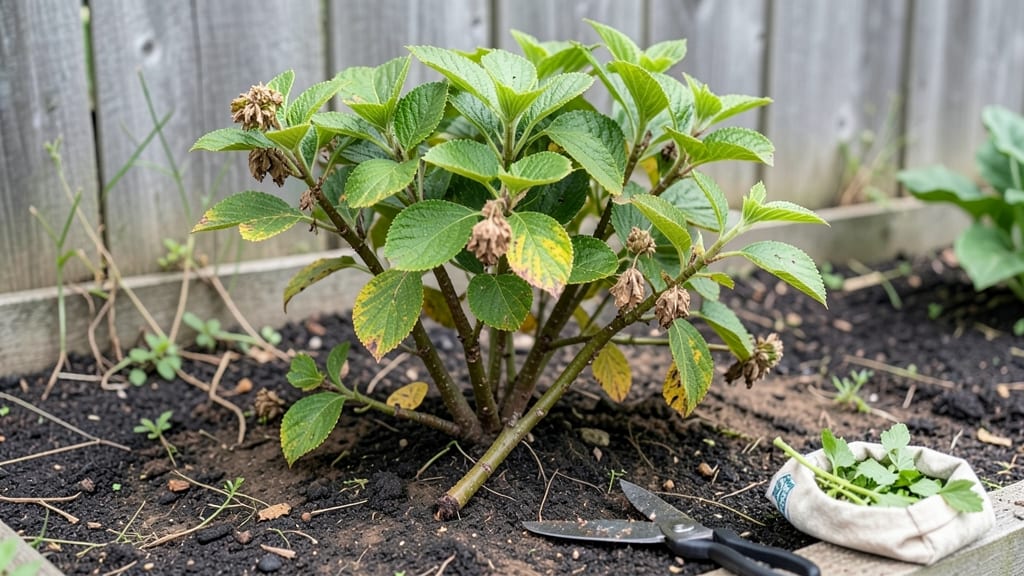
Mastering shrub pruning transforms your yard from shapeless mess to structured beauty—and it’s simpler than you think. I’ve spent years perfecting this skill, and the difference between a thriving shrub and a sad, leggy mess often comes down to a few precise cuts at the right time.
The key? Understanding when to prune, which tools to use, and how to read your plants’ growth habits.
Most gardeners prune at the wrong time, stunting blooms or inviting disease. Here’s the secret: flowering shrubs (like lilacs or hydrangeas) need cuts right after they bloom, while non-flowering types (like boxwoods) can handle shaping anytime.
You’ll need sharp bypass pruners, loppers for thicker branches, and a clean saw for stubborn growth—no expensive tools, just the right ones.
With the right technique, you’ll see faster, fuller growth and fewer pests sneaking in through dead wood. Prune too late, and you risk winter damage; too early, and you sacrifice next year’s flowers.
I’ll show you how to time it perfectly for your climate—whether you’re in Massachusetts or another zone—and which cuts encourage bushier, healthier plants.
This isn’t just about aesthetics—it’s about plant health. Proper pruning boosts airflow, prevents disease, and keeps shrubs productive for decades. Let’s get those shears sharp and turn your yard into a showcase of intentional growth.
📚 In This Guide
- What you need
- Instructions
- Tips and common mistakes
- Wrapping up and next steps
What you need
- ● Pruning shears: Bypass pruners (for clean cuts on small branches, 5–6" blades, stainless steel) – 1 pair.
- ● Loppers: Bypass or anvil type (for thicker branches, 8–12" blades, ergonomic grip) – 1 pair.
- ● Pruning saw: Curved-tooth or folding saw (for large branches, 10–12" blade) – 1 saw.
- ● Gloves: Heavy-duty, cut-resistant (gardening gloves with reinforced palms) – 1 pair.
- ● Disinfectant: Rubbing alcohol (70%+) or bleach solution (1 part bleach to 9 parts water) – small bottle.
- ● Trash bags: Heavy-duty, compostable or biodegradable (for debris removal) – 2–3 bags.
- ○ Ladder: Sturdy, extendable aluminum or fiberglass (if pruning tall shrubs, 6–12' height) – 1 ladder (optional but often necessary).
- ● Sharpener: File or honing tool (to keep blades sharp) – 1 tool.
- ● Hand pruners with ratcheting mechanism (for stubborn branches).
- ● Pole pruner (for high branches without a ladder).
- ● Pruning sealant (for large cuts on woody shrubs like oaks or maples).
- ● Work vest or apron (to organize small tools and hold disinfectant).
- ● Knee pads (for comfort during ground-level pruning).
- ● Notebook & pen (to sketch pruning plans or track growth).
Instructions for precision shrub pruning
Mastering the art of shrub pruning transforms your landscape from chaotic to curated.
Assess Growth Habits and Timing
Start by identifying your shrub's growth pattern—whether it blooms in spring, summer, or fall. Spring-flowering shrubs like lilacs or azaleas should be pruned immediately after blooming, while summer-bloomers like hydrangeas or butterfly bush need pruning in late winter or early spring. I always check for dead, diseased, or crossing branches first—they’re the easiest to spot and remove.
Use a sharp pair of pruning shears to make clean cuts at a 45-degree angle, just outside the branch collar. This ensures proper healing and prevents water from pooling on the wound. If you’re unsure about the timing, observe when your shrub naturally sheds old growth—this is your cue to prune.
Remove Dead, Damaged, or Crowded Branches
Begin with the obvious: any branches that are dead, broken, or rubbing against others. These compete for resources and can create entry points for pests or disease. I like to work from the bottom up, starting with the lowest branches and moving upward. This way, I can see the full structure of the shrub as I go.
If a branch is too thick to cut with hand shears, switch to a pruning saw. Make your cut just outside the branch collar, where the branch meets the trunk or larger branch. Avoid leaving stubs—this can lead to further decay or disease. Once you’ve removed the obvious offenders, step back and assess the overall shape.
Shape for Balance and Airflow
Now, focus on refining the shrub’s shape. For natural-looking shrubs, I aim for a slightly tapered form—wider at the base and narrowing toward the top. This mimics how shrubs grow in the wild and ensures they don’t become top-heavy or prone to storm damage. If your shrub has a formal shape, like a boxwood hedge, use a string line as a guide to keep cuts even.
Pay special attention to airflow. Dense foliage can trap moisture, leading to fungal issues. Thin out branches to allow light and air to circulate freely. I usually remove no more than 25% of the shrub’s total growth in one session—this prevents stress and ensures a healthy recovery. If you’re pruning a large shrub, break the work into two sessions spaced a few weeks apart.
Encourage New Growth with Strategic Cuts
To stimulate bushier growth, focus on cutting back older stems to just above an outward-facing bud. This encourages new shoots to grow outward rather than inward, filling out the shrub’s structure. For flowering shrubs, avoid heavy pruning in the center—this can reduce next year’s blooms. Instead, prune selectively to maintain an open, airy form.
If your shrub has leggy growth, you can rejuvenate it by cutting back one-third of the oldest stems to the ground. This may seem drastic, but it signals the plant to put energy into new, vigorous growth. Just be patient—it may take a season or two for the shrub to recover its full volume.
Clean Up and Monitor Recovery
After pruning, rake up and dispose of all clippings—especially if they’re diseased. Never compost infected material, as it can spread spores to other plants. I also like to apply a light layer of mulch around the base of the shrub to retain moisture and suppress weeds, which can compete for nutrients during recovery.
Keep an eye on your shrub in the weeks following pruning. If you notice yellowing leaves, wilting, or signs of stress, it may be reacting to the cuts. In most cases, this is normal, but if symptoms persist, check for pests or disease. Water deeply but infrequently to encourage strong root growth, and avoid fertilizing until new growth appears.
Tips & tricks for perfect shrub pruning
A few strategic approaches will help you transform your shrubs from overgrown to thriving with minimal stress to the plant.
Timing is Everything: The precise timing mentioned in Step 1 is critical because it aligns with each shrub's natural growth cycle. For spring bloomers like lilacs, pruning immediately after flowering preserves next year's buds that form on old wood. Summer bloomers, however, need their pruning done in late winter when they're still dormant—this ensures you don't remove potential blooms. I've learned this the hard way after accidentally pruning my hydrangeas too late and losing that year's flowers entirely.
The 45-Degree Angle Secret: When making cuts in Step 1, that 45-degree angle isn't arbitrary—it creates a natural water-shedding surface that prevents water from pooling on the wound. This simple technique dramatically reduces the risk of fungal infections. I recommend practicing on a scrap piece of wood first if you're unsure about the angle; it should look like a small roof directing water away from the cut.
Strategic Pruning Limits: The 25% growth removal guideline in Step 3 prevents plant shock by maintaining enough leaf surface for photosynthesis. I've seen many gardeners over-prune, thinking more aggressive cuts lead to better results—this actually stresses the plant and can lead to dieback. For large shrubs, splitting the work into two sessions with a few weeks between them gives the plant time to recover between cuts.
Recovery Monitoring: The post-pruning monitoring in Step 5 is where many people drop the ball. Yellowing leaves or wilting after pruning are often normal as the plant adjusts, but persistent symptoms could indicate stress from over-pruning or disease. I've found that keeping a small notebook to track each shrub's recovery progress helps identify patterns—like which varieties handle pruning better in my climate.
Pro Tips for Shrub Pruning Ma
- A few strategic approaches will help you transform your shrubs from overgrown to thriving with minimal stress to the plant.
- Timing is Everything: The precise timing mentioned in Step 1 is critical because it aligns with each shrub's natural growth cycle.
- The 45-Degree Angle Secret: When making cuts in Step 1, that 45-degree angle isn't arbitrary—it creates a natural water-shedding surface that prevents water from pooling on the wound.
Frequently asked questions
Got questions about shrub pruning? You’re not alone! Here are some of the most common concerns—plus expert-backed answers to keep your shrubs thriving year-round.
When is the best time to prune shrubs in Massachusetts?
The ideal timing depends on your shrub type, but late winter (February–March) is best for most deciduous shrubs, while early spring or after flowering works for evergreens. Avoid heavy pruning in fall—it invites pests and weakens growth. Check your shrub’s bloom time to avoid cutting off flowers!
Can I prune shrubs in winter when they’re dormant?
Yes! Winter pruning (Dec–Feb) is perfect for shaping deciduous shrubs like lilacs or hydrangeas. Just avoid pruning when temps drop below 20°F—cold stress can damage tender stems. Pro tip: Wear gloves and use sharp tools to prevent jagged cuts.
What if I accidentally prune too much?
Don’t panic! Over-pruning can stress shrubs, but they often bounce back. Focus on light trimming next season and fertilize to encourage regrowth. For severely damaged shrubs, contact a local arborist—they can assess if rejuvenation pruning is needed.
Do I need to sterilize tools between pruning sessions?
Absolutely!
Sterilizing shears with rubbing alcohol (70%+) or a 10% bleach solution prevents spreading diseases like fire blight. Clean tools before and after each use, especially when moving between infected and healthy plants.
Are there alternatives to pruning for shrub maintenance?
If pruning feels overwhelming, try selective thinning (removing only crowded branches) or pinching (snipping new growth tips) to encourage bushiness. For overgrown shrubs, gradual pruning over 2–3 years reduces shock. Bonus: Mulching helps retain moisture and reduces stress!
How do I fix uneven or messy pruning?
Uneven cuts? Use a hand saw or pruning shears to clean up jagged edges and shape branches at a 45° angle (for water runoff). For a polished look, follow the natural growth pattern of the shrub. Watch a quick tutorial for step-by-step guidance!
Wrapping up and next steps
Mastering the art of shrub pruning in MA transforms your garden into a thriving, year-round masterpiece—one precise cut at a time! 🌿 Whether you're shaping hedges, reviving overgrowth, or encouraging blooms, the key lies in timing, technique, and patience.
With the right tools and knowledge, you’re now equipped to give your shrubs the care they deserve.
Ready to put your skills into action? Start small—pick one shrub this weekend and practice your newfound techniques. Before you know it, your garden will be the envy of the neighborhood! 🌟 Happy pruning!