
Tools
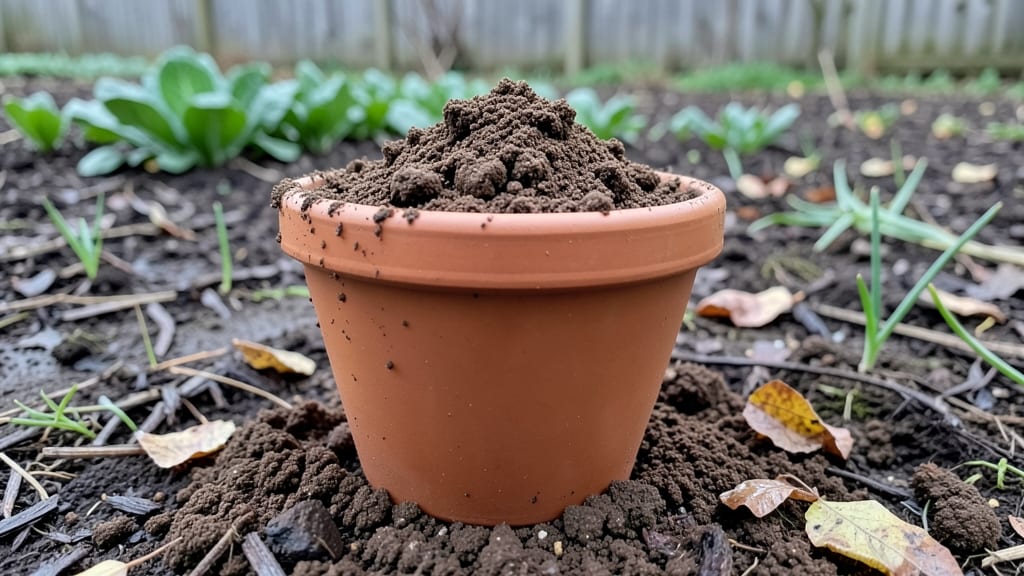
That shrub stump killer trick with vinegar saved me from a weekend of digging and hauling—until I faced a stubborn hawthorn stump after pruning. me groan. Then I remembered the vinegar-and-salt trick that turns stumps into mulch in days—not weeks.
The secret isn’t just pouring vinegar—it’s the science behind it. Vinegar’s acid breaks down cellulose in the wood, while salt draws out moisture from the roots.
I mixed 2 gallons of white vinegar, 2 cups of salt, and a splash of dish soap (to help it cling) in a spray bottle. Within 24 hours, the stump started to soften, and by day three, I could pull it out with my hands.
You’ll end up with a clean slate where your stump once stood, ready for new planting. The soil stays intact, there’s no messy debris, and you avoid the fumes or chemical runoff from commercial stump removers. Plus, the vinegar smell fades quickly—no lingering stink like some solutions leave behind.
Works best for small to medium shrubs, but even large roots weaken enough to make digging easier. For stubborn cases, repeat the treatment every few days until the stump collapses. No digging, no burning, just chemistry doing the heavy lifting for you.
Root Regrowth Explained
When you cut down a shrub, the stump left behind isn’t just dead wood—it’s a hidden network of living roots and dormant buds, all primed to bounce back with stubborn resilience. Understanding why these roots survive and regrow is the first step to stopping them for good.
Here’s a breakdown of the science behind the problem, so you can tackle it like a pro.
Most shrubs have buds hidden just below the soil line or even on the stump itself. These buds are like nature’s backup plan—designed to sprout new shoots if the main stem is damaged.
When you cut a shrub, the plant’s survival instinct kicks in, and these buds stay alive for months (or even years) in a dormant state, waiting for the right conditions to grow.
Why does this happen? Because shrubs evolved to be tough. Their buds are packed with meristem cells, which are undifferentiated and capable of dividing rapidly when triggered by warmth, moisture, or sunlight.
If you don’t kill these buds, they’ll eventually push up new shoots, turning your "finished" stump into a frustrating regrowth problem.
Actionable insight: If you’ve ever seen a stump sprout shoots after months of sitting idle, blame those sneaky buds. The key to stopping them is targeting them directly with the right chemicals or physical removal.
Even after a shrub is cut, its roots remain connected to the soil, where they continue to absorb water and nutrients. This underground lifeline keeps the stump and its buds alive longer than you’d expect.
In fact, some roots can survive for years if left untreated, slowly decomposing while still capable of sending up new growth.
Here’s the science:
- Water uptake: Roots draw moisture from the soil, which keeps the stump hydrated and prevents the buds from drying out.
- Nutrient storage: Shrubs store carbohydrates (like starch) in their roots and stumps, which act as an energy reserve for regrowth.
- Microclimate effects: Mulch, weeds, or even rain can keep the stump moist, extending its lifespan and delaying decomposition.
Without intervention, these roots will eventually replenish the stump’s energy reserves, allowing buds to sprout anew. That’s why stumps in damp or shaded areas are harder to kill—they’ve got a built-in survival advantage.
Actionable insight: To speed up the process, reduce moisture around the stump by removing mulch, clearing debris, and even using a tarp to dry it out faster.
Not all shrubs are created equal when it comes to stump regrowth. Some species, like hazel, willow, or aspen, are notorious for their aggressive root systems and chemical-resistant buds. These plants have evolved to thrive in disturbed environments, making them harder to kill with conventional methods.
Why does this happen? It boils down to:
- Bud hardiness: Some buds produce a waxy coating or protective layers that shield them from herbicides or vinegar treatments.
- Root density: Species like bamboo or brambles have rhizomes (underground stems) that spread horizontally, making them nearly impossible to eradicate without targeted treatment.
- Metabolic adaptations: Certain shrubs can detoxify herbicides, breaking them down before they take effect.
If you’ve tried pouring vinegar or spraying commercial stump killer on a stubborn shrub and seen zero results, chances are high that the species has natural resistance to those methods. That’s why a two-pronged approach—combining chemical and physical methods—often works best.
Actionable insight: Research your shrub’s species before treating it. Fast-growing, woody shrubs (like elderberry or privet) may need higher concentrations of vinegar or a follow-up treatment to ensure the buds stay dead.
Wood doesn’t rot overnight—it takes time, and stumps are no exception. The decomposition process is slowed by factors like:
- Wood density: Hardwood shrubs (like holly or hawthorn) decompose much slower than softwoods, leaving buds viable for years.
- Microorganism activity: Fungi and bacteria break down wood, but in dry or compacted soil, their work grinds to a halt.
- Environmental conditions: Cold climates or waterlogged soil can preserve the stump longer than warm, well-drained areas.
While you’re waiting for the stump to decompose naturally, those dormant buds are still ticking. Even if the top of the stump looks dry and crumbly, the roots below might still be feeding it, ready to spring back to life at the slightest provocation.
Actionable insight: Speed up decomposition with physical methods, like drilling holes into the stump to expose more surface area to air and moisture—or using a commercial stump grinder for larger jobs.
Fix Stubborn Stumps Fast
Stumps can be a stubborn nuisance, but with the right approach, you can eliminate them efficiently—especially when using a vinegar-powered root eradicator. Below, we’ll break down solutions based on common causes and provide step-by-step fixes, plus tips to prevent future regrowth.
If your shrub keeps sprouting new shoots from the stump, it means the root system is still alive. Here’s how to kill it for good:
🍳 Apply Vinegar Directly to the Stump
- Fill a spray bottle with undiluted white vinegar (5% acetic acid or higher).
- Spray the stump thoroughly, soaking the wood until it’s damp.
- Cover the stump with a plastic sheet to trap the vinegar and speed up the process.
- Repeat every 2-3 days for 2-3 weeks until the stump blackens and dies.
👨🍳 Drill Holes for Deep Penetration
- Use a power drill with a ½-inch bit to bore holes into the stump (about 1 inch deep).
- Pour vinegar into each hole, then seal with duct tape to keep it in place.
- This ensures the vinegar reaches hidden root tissue beneath the surface.
🥘 Add Salt for Extra Power
- Mix 1 part salt to 3 parts vinegar for a stronger solution.
- Pour or spray this mixture onto the stump, then cover with plastic.
- Warning: Salt can harm nearby plants, so use it sparingly and rinse the soil afterward.
If the stump is large or woody, it may take longer to decompose. Speed up the process with these methods:
🔪 Chop It Down Further
- Use a stump grinder or chainsaw to reduce the stump to 1-2 inches below ground level.
- Smaller pieces break down faster, making vinegar treatment more effective.
🌱 Cover with Mulch or Soil
- Once the stump is treated, bury it under 4-6 inches of fresh soil or mulch.
- This blocks sunlight, preventing regrowth and encouraging decomposition.
💡 Use a Commercial Stump Killer (Optional)
- If vinegar isn’t enough, apply a glyphosate-based stump killer (follow label instructions).
- Reapply vinegar afterward to boost effectiveness and avoid chemical runoff.
Once you’ve removed the stump, take these steps to stop regrowth and make cleanup easier next time:
✨ Cut Stumps Low at the Base
- When pruning shrubs, cut as close to the ground as possible to minimize remaining root tissue.
🌡️ Apply Vinegar as a Preventative Spray
- After trimming, spray the cut surface with vinegar to kill any lingering root cells.
🔥 Remove All Root Fragments
- If you’re digging up a shrub, pull out as much of the root ball as possible to reduce regrowth chances.
💪 Use a Stump Grinder for Large Jobs
- For big shrubs or trees, renting a stump grinder is the fastest and most thorough solution.
Once the stump is gone, fill the hole with fresh soil and plant a fast-growing ground cover or small shrub to cover the area quickly. This keeps your yard looking neat while preventing weeds from taking over!
Frequently asked questions about shrub stump removal
How long does it take for vinegar to kill a shrub stump?
With consistent treatment, vinegar typically kills shrub stumps in 2-3 weeks. Apply undiluted white vinegar every 2-3 days, covering the stump with plastic to trap moisture. For stubborn cases, drilling holes and adding salt can speed up the process to 10-14 days.
Can I use vinegar on all types of shrubs?
Vinegar works best on small to medium shrubs with softwood stumps. For hardwood shrubs like hawthorn or holly, you may need higher concentrations or a commercial stump killer. Always test a small area first, as some shrubs (like bamboo) have resistant root systems that require extra treatment.
Will vinegar harm my lawn or garden plants?
Vinegar is acidic and can damage nearby plants if overused. Always apply it directly to the stump and avoid spraying soil or foliage. For extra protection, create a barrier with mulch or cardboard around the treatment area. Salt mixtures are even more harmful—use them sparingly.
What if the stump keeps regrowing after treatment?
Regrowth usually means the roots or buds survived. Try drilling holes into the stump and applying vinegar directly to the center. For persistent cases, combine vinegar with a glyphosate-based stump killer (follow label instructions) or chop the stump lower to expose more root tissue.
Is vinegar better than commercial stump killers?
Vinegar is a natural, cost-effective alternative that avoids harsh chemicals, but commercial stump killers (like glyphosate) often work faster for large or hardwood stumps. Vinegar is ideal for eco-friendly gardens, while commercial products may be better for heavy-duty jobs. Always weigh safety and effectiveness for your specific needs.