
Shrubs
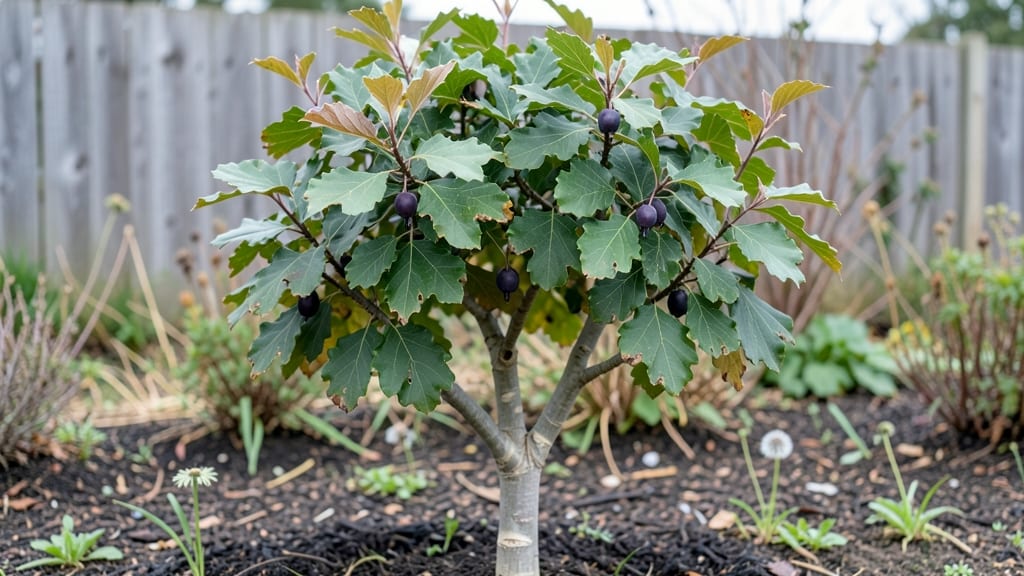
Finding a shrub with oak-like leaves that actually thrives where you live?
That’s the game-changer I’ve been waiting for—these plants deliver bold, lobed foliage year-round while handling heat, humidity, or cold snaps without complaint. 🌿 The first time I saw Fothergilla in autumn, its fiery red leaves made my whole yard feel like a fall masterpiece without the fuss of annuals.
These shrubs aren’t just pretty—they’re tough. Nyssa sylvatica (black tupelo) and Lindera benzoin (spicebush) both handle poor soil like champions, while Quercus hybrids bring that classic oak texture to smaller spaces.
They grow 3–12 feet tall, making them perfect for hedges, borders, or even as a striking focal point near patios. And the best part? Their leaves stay interesting through all four seasons—spring’s fresh green, summer’s deep gloss, and fall’s fiery transformation.
Pair them with evergreens like Ilex or Pinus for year-round structure, or let them shine alone as a low-maintenance privacy screen. The foliage’s texture alone makes them worth growing, but throw in their wildlife benefits—birds adore the berries—and you’ve got a shrub that does it all.
Ready to transform your yard with minimal effort?
Whether you’re replacing an old fence line or adding height to a shady corner, these shrubs adapt like pros. They’ll outlast trendy annuals by decades, so plant once and enjoy the payoff for years. Let’s get you the perfect match for your space!
Natural Genetics Behind Leaf Shape
If your shrub sports leaves that resemble oak foliage—lobed, jagged, or deeply veined—it’s likely due to its genetic blueprint. Some shrubs naturally produce leaves with oak-like characteristics because of their species lineage or hybrid ancestry. Let’s break down why this happens and what you can expect from your plant.
Many shrubs with oak-like leaves are bred or naturally selected to mimic the bold, textured look of oak foliage. For example:
- Hybrid crosses: Gardeners and botanists often cross shrubs like Quercus (oak) relatives with hardy, fast-growing species (e.g., Ilex or Cotoneaster) to create plants with lobed or serrated edges while retaining disease resistance or cold tolerance.
- Evolutionary adaptation: Some shrubs in the Hydrangea or Cornus families evolved leaves with deep lobes to maximize sunlight absorption or reduce water loss in their native habitats.
- Cultivar selection: Nurseries often label shrubs with "oak-like" foliage as a marketing trait, but the genetics are real. Look for names like "Oakleaf Hydrangea" (Hydrangea quercifolia) or "Oakleaf Maple" (Acer griseum), which are bred for this exact look.
Actionable tip: If you’re shopping for a shrub with oak-like leaves, check the scientific name or ask the nursery about its parentage. This ensures you’re getting a plant with stable, predictable foliage.
Sometimes, a shrub develops oak-like leaves due to a spontaneous genetic mutation—a natural variation called a "sport." These mutations can occur in:
- Leaf shape: A branch might suddenly produce lobed leaves instead of smooth-edged ones due to a change in the plant’s growth regulators (like auxins or cytokinins).
- Color or texture: Mutations can also alter leaf color (e.g., purple-tinged lobes) or add glossy or fuzzy textures, making them stand out.
These sports are often grafted or propagated by nurseries to create new cultivars. For example, the "Royal Purple" smoke bush (Cotoneaster) features deep purple, oak-like leaves due to such a mutation.
Pro tip: If you spot a shrub with an unusual leaf shape in your garden, you might have a natural sport! Take cuttings to propagate it—just ensure it’s stable before assuming it’s a permanent trait.
While genetics play the biggest role, environmental factors can subtly influence how leaves develop, sometimes making them appear more oak-like. Key triggers include:
| Factor | Effect On Leaf Shape | Example |
|---|---|---|
| 🌞 Sunlight exposure | Increased light can cause leaves to develop deeper lobes or serrations as a way to reduce surface area and prevent water loss. | A Hydrangea in full sun may have more pronounced lobes than one in shade. |
| 💧 Water stress | Drought conditions can lead to smaller, thicker leaves with jagged edges as the plant conserves moisture. | An Oakleaf Maple in dry soil might develop more lobed leaves than one in moist conditions. |
| 🌡️ Temperature shifts | Cooler nights can slow cell division, resulting in leaves with uneven growth (e.g., lobed or wavy edges). | Young Cornus (dogwood) shrubs in spring may show temporary oak-like lobes before maturing. |
Key takeaway: While these factors can enhance an oak-like appearance, they won’t permanently change a shrub’s genetics. For consistent results, focus on genetically predisposed varieties.
Revive Your Oak-Leaved Shrub
If your shrub with oak-like leaves is struggling, don’t panic—most issues have simple fixes! Below, we’ve mapped common problems to practical solutions, so you can restore your privacy screen to its lush, vibrant glory.
Whether it’s pests, disease, or environmental stress, these steps will help you diagnose and treat the root cause—plus, we’ll share prevention tips to keep your shrub thriving long-term.
Cause: Fungal infections (like anthracnose or leaf spot) or pest damage (aphids, spider mites). Fix:- 🍄 Treat Fungal Issues: Prune affected leaves immediately and dispose of them in the trash (not compost). Apply a copper fungicide or a mix of baking soda (1 tsp), water (1 quart), and a few drops of dish soap to the foliage. Reapply every 7–10 days until new growth appears.
- 🐜 Combat Pests: Blast off aphids or mites with a strong spray of water, then treat with neem oil or insecticidal soap. For severe infestations, use a systemic pesticide like imidacloprid (follow label instructions).
- 🌿 Boost Recovery: Fertilize with a balanced, slow-release fertilizer (10-10-10) to strengthen the shrub’s defenses.
Improve airflow by spacing plants 3–5 feet apart and prune regularly to avoid dense, damp foliage—fungi love humidity!
Cause: Underwatering, overwatering, or winter burn (salt/sand damage from deicing). Fix:- 💧 Check Soil Moisture: Stick your finger 2 inches into the soil. If dry, water deeply once a week (adjust for rain). If soggy, let the soil dry out before watering again.
- 🌡️ Protect in Winter: Mulch heavily (3–4 inches of shredded bark or leaves) around the base to insulate roots. If your area uses road salt, rinse the shrub with water after snowmelt to remove residue.
- 🍃 Trim Damaged Foliage: Use clean, sharp pruners to snip back brown edges. Avoid cutting into healthy green tissue.
Mulch in late fall (after the first frost) to prevent winter burn. Avoid piling mulch against the trunk—keep it 6 inches away.
Cause: Poor soil, root damage, or over-pruning. Fix:- 🌿 Test Your Soil: Use a home soil test kit to check pH and nutrient levels. Oak-leaved shrubs prefer slightly acidic to neutral soil (pH 6.0–7.0). Amend with compost or peat moss if needed.
- 🔧 Repair Root Damage: If the shrub was recently transplanted or hit by construction, water deeply 2–3 times a week for 4–6 weeks to encourage root regrowth. Add a rooting hormone to cuttings if propagating.
- ✂️ Prune Strategically: Avoid "heading back" (cutting into old wood)—instead, prune in late winter/early spring to shape the shrub and remove dead wood. Never trim more than 1/3 of the foliage in one season.
Plant your shrub in a permanent location—transplanting stress can take years to recover from. If bare spots persist, consider layering mulch or adding a slow-release fertilizer in early spring.
Cause: Overwatering, root rot, or sudden temperature shifts. Fix:- 🚰 Drainage First: If the soil stays soggy for days, your shrub may have root rot. Dig around the base to check for mushy, dark roots. If confirmed, repot or transplant to well-draining soil (mix in perlite or sand).
- 🌦️ Adjust Watering: Switch to deep, infrequent watering (1–2 inches per week). Use a soaker hose to water at the base, not the leaves, to prevent fungal issues.
- 🌡️ Shield from Shock: If temperatures fluctuate wildly (e.g., a heatwave after frost), acclimate the shrub gradually. Move potted plants to a shaded area for a few days before full sun exposure.
For wilting but not dead shrubs, submerge the root ball in water for 30 minutes to rehydrate (works best for container-grown plants).
Cause: Over-fertilizing with nitrogen, improper pruning, or wrong variety. Fix:- 🌸 Balance Fertilizer: If your shrub is leafy but flowerless, it’s getting too much nitrogen. Switch to a low-nitrogen, high-phosphorus fertilizer (5-10-10) in early spring to encourage blooms.
- ✂️ Prune for Flowers: Some oak-leaved shrubs (like Holly or Osmanthus) bloom on old wood. Prune right after flowering to avoid cutting off next year’s buds.
- 🌿 Check the Variety: If you planted a male shrub (common in hollies), it won’t produce berries without a female counterpart nearby. Pair it with a compatible female variety for fruit.
Label your shrubs at planting time to track varieties and avoid accidental removal of flowering stems!
With these targeted solutions, your oak-leaved shrub should bounce back in no time. Consistency is key—stick with the fixes for at least a growing season to see full recovery.
And remember: prevention is easier than cure! Regular pruning, proper watering, and soil care will keep your privacy screen lush and resilient year-round.
Frequently asked questions about shrubs with oak-like foliage
Which shrubs have the most striking oak-like leaves?
Top picks include Fothergilla (with fiery fall colors), Nyssa sylvatica (black tupelo), and Hydrangea quercifolia (oakleaf hydrangea). These varieties offer bold lobed leaves that resemble mature oaks while thriving in USDA zones 5-9—perfect for year-round texture in your garden.
Do these shrubs need full sun to develop oak-like leaves?
Most prefer partial shade to full sun, but Fothergilla and Nyssa tolerate shade better than Hydrangea quercifolia, which needs at least 4-6 hours of sunlight for optimal leaf development. For container growing, place them near east-facing windows.
How fast do oak-leaved shrubs grow?
Growth rates vary: Fothergilla grows 1-2 feet per year, while Nyssa sylvatica can reach 6 feet in 5 years with ideal conditions. Prune young shrubs annually to encourage bushier, oak-textured foliage—avoid heavy pruning until established.
Can I use these shrubs for privacy screens?
Plant Fothergilla or Nyssa in staggered rows 3-5 feet apart for a natural, lobed-leaf privacy barrier. They grow 6-12 feet tall and handle shearing well—ideal for replacing chain-link fences with organic texture.
Why do some branches have oak-like leaves while others don't?
This often happens with genetic sports (natural mutations) or environmental stress. If only certain branches show lobed leaves, it may be a stable mutation—propagate those cuttings! For uniform growth, ensure consistent water and soil pH (6.0-7.0).