
Pests and Diseases
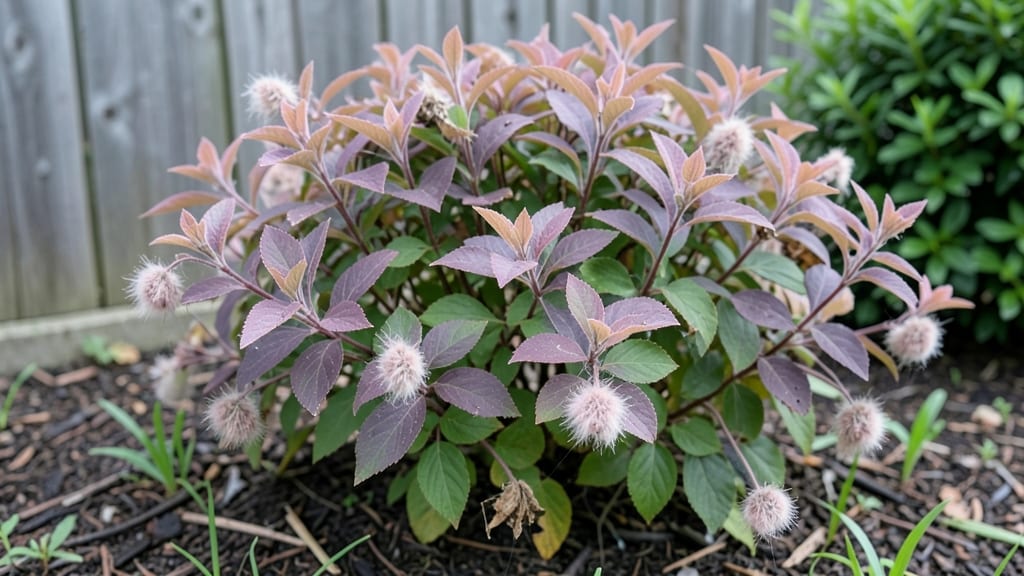
Finding a shrub with pink and green leaves that actually delivers year-round color and privacy? That’s the dappled willow—a game-changer for tight spaces. I planted mine three years ago, and it’s now a lush, 6-foot-tall screen that never loses its striking foliage, even in winter.
The secret lies in its natural variegation, which thrives when pruned correctly and given the right light.
The best part? It doesn’t need a sprawling backyard. This shrub handles 3-4 feet of width at maturity, making it perfect for urban yards, narrow borders, or even large containers.
Just avoid full shade—it needs 4-6 hours of morning sun to keep those pink and green leaves vibrant. Overwatering kills it, so let the soil dry slightly between waterings.
By midsummer, you’ll have a textured, living wall that blocks noise and neighbors’ views while adding color no other shrub can match. Pair it with boxwoods or heucheras for contrast, or let it stand alone as a bold focal point.
The foliage stays fresh-looking all season if you prune lightly in early spring.
Works in zones 5-9, so whether you’re in the Pacific Northwest or the Southeast, this shrub delivers. No fuss, no failures—just stunning, low-maintenance privacy that actually grows more beautiful each year.
Behind The Colorful Leaf Shift
The striking mix of pink and green leaves on your shrub isn’t just a visual treat—it’s often a sign of underlying biological processes or environmental stressors at play. While some causes are harmless, others may indicate your plant is sending SOS signals.
Let’s break down the science behind why your shrub’s foliage takes on this two-tone hue, so you can address the root issue (literally!).
Many shrubs, especially those in the Hydrangea, Pieris, or Cotoneaster families, exhibit pink or reddish new growth as a genetic trait. This isn’t a problem—it’s a survival strategy!
- Anthocyanins at work: These pigments (responsible for red/pink hues) act as sunscreen for young leaves, protecting delicate tissue from intense sunlight.
Think of them as built-in SPF for your shrub’s babies! - Seasonal shift: In spring or after pruning, new leaves often emerge pink before maturing to green.
This is especially common in acid-loving shrubs like Azaleas or Rhododendrons. - Actionable tip: 💡 If the rest of the shrub is healthy and the pink fades with age, you’re likely dealing with a normal growth phase. No intervention needed—just enjoy the show!
When your shrub’s leaves turn pinkish-green, lack of key nutrients can be the culprit. Here’s how to spot and fix it:
| Deficiency | Visual Clues | How to Fix It |
|---|---|---|
| Iron (Chlorosis) | Yellow-green veins, pinkish edges | Apply chelated iron or amend soil with compost/peat moss (acid-loving plants need pH 5.0–6.0). |
| Magnesium | Pinkish patches between veins | Feed with Epsom salt (1 tbsp/gallon water) or use a balanced fertilizer. |
| Nitrogen | Pale green with pinkish undertones | Boost with slow-release nitrogen (e.g., blood meal) or compost. |
| Phosphorus | Dark green with pinkish new growth | Use a bone meal or rock phosphate supplement. |
- Pro tip: 🌡️ Test your soil’s pH—alkaline soil (pH >7.0) locks out iron, causing chlorosis. Add sulfur or pine needles to lower pH gradually.
Too much direct sun can bleach or scorch leaves, leading to pinkish or white patches—especially on shrubs not accustomed to full sun.
- How it happens:
- Excess UV exposure breaks down chlorophyll, revealing pinkish anthocyanins underneath.
- Transplant shock: Moving a shade-loving shrub (e.g., Daphne or Camellia) into harsh sunlight can trigger this reaction.
- Fix it:
- Gradual acclimation: 🌿 Move potted shrubs to partial shade for a week before full sun.
- Mulch roots: Keep soil moist and cool with 3 inches of mulch to reduce stress.
- Prune strategically: Trim leaves to reduce surface area exposed to direct sun.
While pests rarely directly cause pink leaves, sap-sucking insects (like spider mites or scale) or fungal infections (e.g., powdery mildew) can stress your shrub, leading to abnormal coloring.
- Common offenders:
- Spider mites: Cause stippling and pinkish discoloration (especially on Boxwood or Holly).
- Leafhoppers: Excrete honeydew, promoting sooty mold (black fungal growth) that alters leaf color.
- Fungal spots: Anthracnose or rust can create pinkish or purplish patches with yellow halos.
- What to do:
- Inspect leaves: Look for webbing (mites), sticky residue (aphids), or spots.
- Treat early: Spray with neem oil (🔥 for mites) or copper fungicide (for disease).
- Improve airflow: Prune to reduce humidity around dense shrubs (e.g., Hydrangeas).
If your shrub’s leaves turned pink after a late frost, the damage might not be visible until new growth emerges.
- How frost causes pink leaves:
- Cell rupture: Ice crystals burst plant cells, disrupting chlorophyll production.
- Delayed reaction: Some shrubs (like Pieris japonica) develop pinkish new leaves as they recover from winter stress.
- Recovery steps:
- Protect next year: Cover young shrubs with burlap during frost warnings.
- Fertilize lightly: A balanced 10-10-10 fertilizer in early spring helps repair damage.
- Monitor for secondary issues: Frost-stressed plants are more susceptible to disease—keep an eye out!
Revive Your Shrub’s Vibrant Foliage
If your shrub’s leaves are turning an unexpected mix of pink and green, don’t panic—this issue is often fixable with the right care. Below are targeted solutions for the most common causes, from environmental stress to nutrient deficiencies, along with easy prevention tips to keep your shrub thriving.
Pink or purplish leaves can signal a lack of essential nutrients, especially nitrogen, phosphorus, or magnesium. Here’s how to restore balance:
- 🔥 Test Your Soil: Use a soil test kit (available at garden centers) to identify deficiencies. Most pink-leaf issues stem from low nitrogen or phosphorus.
- 🍳 Apply Organic Fertilizer: Mix in compost or a balanced organic fertilizer (like 10-10-10) into the top 2-3 inches of soil. For magnesium deficiency (often seen as pink edges), sprinkle Epsom salt (1 tablespoon per gallon of water) every 4-6 weeks.
- 👨🍳 Feed Seasonally: Fertilize in early spring and again after flowering to support new growth. Avoid over-fertilizing, which can burn roots.
💡 Pro Tip: Slow-release fertilizers (like osmocote) reduce the risk of overapplication and provide steady nutrients.
Overwatering or underwatering can cause leaf discoloration. Here’s how to strike the right balance:
- ⏰ Check Moisture Levels: Stick your finger 1-2 inches into the soil. If it’s dry, water deeply; if soggy, hold off until the top layer dries.
- 🌡️ Adjust Watering Schedule: Most shrubs need 1-1.5 inches of water per week, including rainfall. Use drip irrigation or soaker hoses to deliver water directly to the roots.
- ✨ Improve Drainage: If your shrub sits in heavy clay soil, amend it with perlite or sand to prevent waterlogging. Raised beds or containers can also help.
💡 Pro Tip: Water in the early morning to reduce evaporation and fungal risks.
Sunburn, wind, or temperature swings can trigger pink or green mottling. Protect your shrub with these adjustments:
- 🔪 Provide Partial Shade: If your shrub is in a hot, sunny spot, move it to morning sun + afternoon shade or use a shade cloth (30-50%) in peak summer.
- 🌿 Windbreaks: Plant taller shrubs or install a fence to block harsh winds, which can dry out leaves.
- 🌡️ Gradual Acclimation: If moving your shrub, harden it off over 7-10 days by slowly increasing sun exposure.
💡 Pro Tip: Mulch around the base with 2-3 inches of organic mulch (like wood chips) to regulate soil temperature and retain moisture.
Some pests (like spider mites or aphids) or fungal infections can cause leaf discoloration. Act fast with these remedies:
- 🔪 Inspect Leaves: Look for tiny webs, holes, or sticky residue (honeydew). Wipe leaves with soapy water (1 tsp mild soap per gallon) or spray with neem oil.
- 🌿 Encourage Beneficial Insects: Ladybugs and lacewings prey on pests. Plant companion flowers like marigolds or alyssum nearby.
- 🌡️ Prevent Fungal Spread: Avoid overhead watering. If you spot powdery mildew (white fuzzy patches), spray with a baking soda mix (1 tsp baking soda + 1 quart water + a drop of soap).
💡 Pro Tip: Prune affected branches 1 inch below the damage and dispose of them in the trash (not compost) to stop reinfection.
Keep your shrub’s foliage lush with these maintenance habits:
- 📊 Prune Regularly: Trim back overgrown branches in late winter or early spring to improve airflow and sunlight penetration.
- 🥗 Monitor Soil pH: Most shrubs prefer slightly acidic to neutral soil (6.0-7.0). Adjust with lime (to raise pH) or sulfur (to lower it) if needed.
- 💪 Choose the Right Variety: If space is tight, opt for compact shrubs like Dwarf Fothergilla or Boxwood ‘Green Velvet’, which tolerate tight conditions better.
- ✨ Mulch Annually: Refresh mulch in spring to lock in moisture and nutrients.
With these fixes, your shrub should bounce back with vibrant green (or intended variegated) leaves in no time. Consistency is key—stick to the care routine, and your privacy screen will stay healthy year-round!
Frequently asked questions
What’s the best shrub with pink and green leaves for small spaces?
The Dwarf Fothergilla is perfect for tight spots, reaching just 3-4 feet tall while delivering stunning pinkish-red new growth that matures to deep green. Another great pick is Pieris japonica (Andromeda), which thrives in partial shade and stays compact.
Why do some shrubs have pink leaves while others stay green?
Pink foliage often comes from anthocyanins—natural pigments that act like sunscreen for new leaves. Shrubs like Cotoneaster or Hydrangea produce these pigments to protect tender growth, while others (like Boxwood) lack this genetic trait and stay uniformly green.
Can I grow a pink-and-green shrub in full shade?
Most variegated shrubs need at least 4-6 hours of morning sun to maintain their color. For full shade, try Heuchera (coral bells) or Japanese Forest Grass—they handle low light better but may lose some pink intensity. Always check the plant’s light requirements before buying!
How do I keep my shrub’s pink leaves from fading?
Fading often means too much sun or nutrient stress. Prune to avoid overcrowding, use a balanced fertilizer (like 10-10-10) in spring, and mulch with 2-3 inches of organic matter to retain moisture. Avoid high-nitrogen fertilizers, which can dull the pink tones.
Are pink-leafed shrubs more prone to pests?
Not necessarily! However, stressed plants (from improper care) attract pests like spider mites. Inspect leaves regularly for webbing or spots. A weekly spray of neem oil during growing season keeps pests at bay while preserving the variegation.