
Shrubs
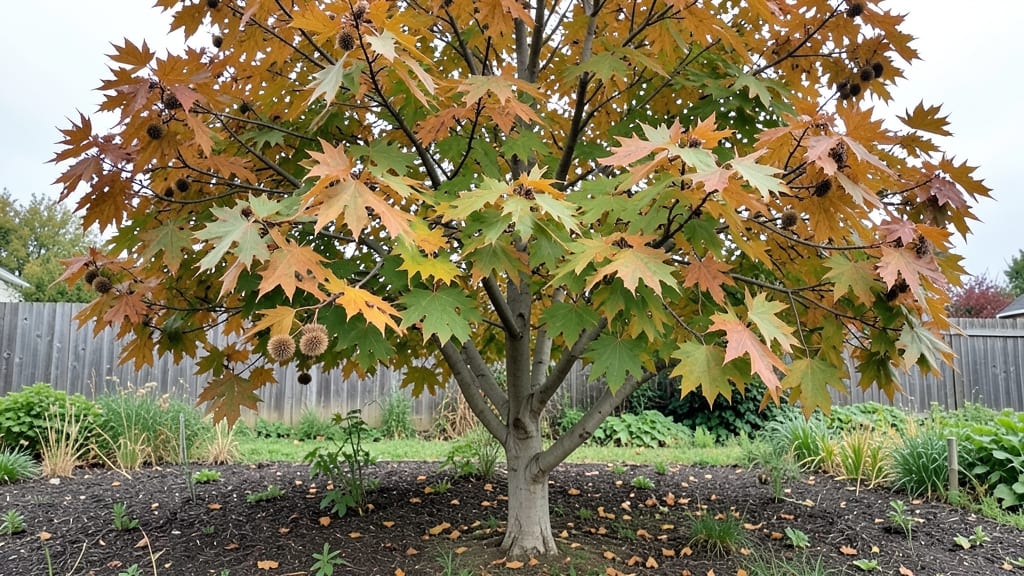
Yellow leaves on shrubs don’t mean the plant is dying—often, it’s a cry for help you can fix fast. 🌿 I’ve nursed back more than my share of struggling shrubs, and the key is figuring out whether it’s thirst, too much love, or something sneaky like pests.
The good news? Most causes have simple fixes that work in days, not weeks.
Overwatering tops the list—soggy soil chokes roots, turning leaves yellow before they wilt. Then there’s nutrient hunger, especially nitrogen or iron, which show up as pale or yellowing leaves.
Pests like spider mites or fungal spots can also mimic these symptoms, so grab a magnifying glass and check the undersides of leaves. My first step? Always dig a finger into the soil to see if it’s damp or dry.
Once you pinpoint the problem, solutions are straightforward: adjust watering, feed with the right fertilizer, or spray pests off with soapy water. Within a few weeks, you’ll see fresh green growth pushing out, proving your shrub’s not done for. The real secret? Catching it early—before yellow turns to brown.
Season matters too: spring and fall are when shrubs bounce back fastest, while summer heat can slow recovery. But no matter when you find yellow leaves, the fixes here work year-round. Let’s get those shrubs thriving again—starting with your next watering decision.
Underlying Causes Of Leaf Discoloration
Yellow leaves on your shrubs aren’t just an aesthetic issue—they’re a cry for help! Understanding the root causes can help you diagnose the problem accurately and take swift action. Below, we break down the most common reasons your shrub’s leaves are turning yellow, along with the science behind each one.
Plants need a balanced diet of nutrients to thrive, and yellowing leaves often signal a deficiency in key elements. The most common culprits are:
- 💡 Nitrogen (N) Deficiency - Symptoms: Yellowing begins on older leaves (a classic sign), while new growth may appear stunted or pale green. - Why it happens: Nitrogen is essential for chlorophyll production.
If your soil lacks organic matter or nitrogen-rich fertilizers, your shrub can’t synthesize enough chlorophyll, leading to yellowing. - Actionable fix: Apply a balanced fertilizer (e.g., 10-10-10) or organic amendments like composted manure. For quick results, use a liquid nitrogen supplement like fish emulsion.
- 💡 Iron (Fe) or Chlorosis - Symptoms: Yellowing between leaf veins (interveinal chlorosis), often on new growth, while veins remain green. Common in alkaline soils. - Why it happens: Iron is crucial for chlorophyll, but in high-pH soils (above 7.0), iron becomes unavailable to plants.
Even if iron is present, the plant can’t absorb it. - Actionable fix: Test your soil’s pH. If it’s alkaline, add chelated iron or sulfur to lower pH. For immediate relief, use a foliar spray with iron sulfate.
- 💡 Magnesium (Mg) Deficiency - Symptoms: Yellowing starts on older leaves with brown or dead patches developing later. Veins may stay green initially. - Why it happens: Magnesium is a central component of chlorophyll.
Over time, it leaches from the soil, especially in sandy or acidic conditions. - Actionable fix: Apply Epsom salt (magnesium sulfate) to the soil or use a magnesium-rich fertilizer. For shrubs, a slow-release granular works best.
- 💡 Potassium (K) Deficiency - Symptoms: Yellowing or browning edges on older leaves, often with weak stems or poor disease resistance. - Why it happens: Potassium regulates water and nutrient transport.
Deficiencies occur in poor soil, overwatering, or excessive nitrogen without potassium balance. - Actionable fix: Use a potassium-rich fertilizer (e.g., greensand or wood ash) or a balanced 5-10-10 formula.
Water stress—whether from drought or overwatering—can turn leaves yellow faster than you’d think. Here’s how to spot the problem:
- 💧 Underwatering (Drought Stress) - Symptoms: Leaves turn dull yellow or brown, often with crispy edges.
The soil feels dry several inches deep. - Why it happens: Without enough water, roots can’t absorb nutrients efficiently, leading to chlorosis (yellowing) as chlorophyll breaks down. - Actionable fix: Deep watering (1–2 inches per week) is key.
Use drip irrigation or soaker hoses to deliver water directly to roots. Mulch heavily to retain moisture.
- 💧 Overwatering (Root Suffocation) - Symptoms: Yellowing leaves with a soggy, mushy texture, often accompanied by wilting or moldy soil. Roots may appear black or rotten. - Why it happens: Excess water displaces oxygen in the soil, suffocating roots and preventing nutrient uptake.
Poor drainage worsens the issue. - Actionable fix: Let the top 2–3 inches of soil dry out between waterings. Improve drainage with organic matter (compost) or sand amendments. If planted in clay soil, consider raising the shrub in a mound or using gravel layers.
Extreme temperatures or sudden changes can shock your shrub, causing leaves to yellow as a protective response.
- 🔥 Heat Stress or Sun Scorch - Symptoms: Yellow or white patches on leaves exposed to direct sunlight, often on the south or west sides of the shrub.
Leaves may feel dry or papery. - Why it happens: Intense heat damages cell membranes, causing chlorophyll to degrade.
Young, tender leaves are most vulnerable. - Actionable fix: Provide afternoon shade with shade cloth or nearby plants. Mulch heavily to keep roots cool and water deeply during heatwaves.
- ❄️ Cold Damage or Frost - Symptoms: Yellowing or brown, mushy spots on leaves after a hard freeze. New growth may appear stunted or blackened. - Why it happens: Cold temperatures disrupt cell function, leading to oxidative stress and chlorophyll breakdown.
Evergreens are especially prone to winter burn. - Actionable fix: Protect shrubs with burlap wraps or frost cloth in late fall. Avoid winter pruning, which can expose tender tissue. For container shrubs, move them to a sheltered location.
- 🌬️ Wind or Salt Burn - Symptoms: Yellowing or scorched edges on leaves, often on the windward side of the shrub.
Common near coastlines or in exposed areas. - Why it happens: Salt spray (from ocean air) or physical abrasion from wind can damage leaf cuticles, leading to nutrient loss and yellowing. - Actionable fix: Plant windbreaks like evergreen trees or shrubs to block harsh winds.
If near the coast, flush soil with fresh water to remove salt buildup. Use mulch to protect roots.
Not all yellow leaves are due to poor care—sometimes, pests or pathogens are the real culprits.
- 🐜 Spider Mites or Aphids - Symptoms: Yellowing or stippled leaves, often with fine webbing (mites) or sticky residue (aphid honeydew).
Leaves may curl or drop prematurely. - Why it happens: These pests suck sap from leaves, disrupting chlorophyll production and causing nutrient starvation. - Actionable fix: Spray with neem oil or insecticidal soap. Introduce beneficial predators like ladybugs. For severe infestations, use systemic pesticides like imidacloprid.
- 🍄 Fungal Infections (e.g., Powdery Mildew, Root Rot) - Symptoms: Yellowing leaves with white powdery spots (mildew) or black, mushy stems (root rot).
Soil may smell foul. - Why it happens: Fungi thrive in humid, poorly ventilated conditions, blocking nutrient uptake and causing leaf discoloration. - Actionable fix: Improve air circulation by pruning dense growth.
Apply copper fungicide or baking soda spray (1 tsp baking soda + 1 quart water + a drop of soap). For root rot, repot in fresh, sterile soil and trim affected roots.
- 🐜 Scale Insects or Mealybugs - Symptoms: Yellowing leaves with sticky residue and cottony or shell-like pests on stems/leaves. - Why it happens: These insects feed on sap, weakening the plant and causing systemic nutrient deficiencies. - Actionable fix: Wipe pests off with a soapy cloth or spray with rubbing alcohol (70% isopropyl).
Follow up with horticultural oil to suffocate remaining eggs.
Pro Tip: 🔍 Diagnose like a pro—check the pattern of yellowing (old vs. new leaves), leaf texture, and soil conditions to narrow down the cause. If unsure, test your soil (pH, nutrients) for a precise solution!
Quick Fixes for Yellowing Shrubs
Reviving a shrub with yellow leaves starts with identifying the root cause—whether it’s overwatering, nutrient deficiency, pests, or disease. Below are practical, step-by-step solutions tailored to each issue, plus prevention tips to keep your shrub lush and green.
Signs: Yellowing leaves, soggy soil, wilting despite watering, or roots exposed above the soil line.
How to Fix It: 🔥 Step 1: Stop Watering Immediately
- Let the soil dry out completely before watering again. Stick your finger 2-3 inches deep—if it’s damp, wait.
🍳 Step 2: Improve Soil Drainage
- Mix compost or perlite into the soil (1 part amendment to 3 parts soil) to loosen it.
- If planting in containers, ensure pots have drainage holes and use a well-draining potting mix.
👨🍳 Step 3: Adjust Watering Habits
- Water deeply but infrequently—aim for 1 inch per week (adjust for rain).
- Water at the base of the plant, not overhead, to prevent fungal growth.
🥘 Step 4: Relocate if Needed
- If the shrub is in a low-lying area where water pools, transplant it to higher ground or add a soil mound around the base.
💡 Prevention Tip:
- Test your soil’s drainage by digging a hole, filling it with water, and timing how long it takes to drain. If it takes more than 30 minutes, amend the soil.
Signs: Yellowing leaves (especially older ones for nitrogen, younger for iron), stunted growth, or purple stems (magnesium deficiency).
How to Fix It: 🔥 Step 1: Conduct a Soil Test
- Use a DIY soil test kit (available at garden centers) or send a sample to a local extension office for analysis.
🍳 Step 2: Apply the Right Fertilizer
- Iron deficiency (chlorosis): Sprinkle iron sulfate or chelated iron around the roots and water thoroughly.
- Nitrogen deficiency: Use a balanced fertilizer (10-10-10) or compost in early spring.
- Magnesium deficiency: Apply Epsom salt (1 tbsp per gallon of water) as a foliar spray or soil drench.
👨🍳 Step 3: Boost Organic Matter
- Mix well-rotted compost into the top 6 inches of soil to improve nutrient availability.
🥘 Step 4: Mulch Properly
- Add 2-3 inches of organic mulch (wood chips, straw) to retain moisture and slowly release nutrients.
💡 Prevention Tip:
- Fertilize in early spring before new growth begins, and avoid over-fertilizing, which can burn roots.
Signs: Yellowing leaves, sticky residue (honeydew), tiny webs, or visible bugs on stems/undersides of leaves.
How to Fix It: 🔥 Step 1: Inspect & Identify the Pest
- Shake leaves over a white sheet to spot pests. Common culprits:
- Aphids: Tiny green/black bugs clustered on new growth.
- Spider mites: Tiny yellow specks + fine webbing.
- Scale: Bumpy, waxy spots on stems/leaves.
🍳 Step 2: Remove Pests Manually
- Blast off aphids with a strong spray of water (repeat every 3-4 days).
- Wipe scale insects off with a soapy sponge (1 tsp mild soap + 1 quart water).
👨🍳 Step 3: Use Natural Repellents
- Neem oil spray (1 tsp neem oil + 1 quart water + drop of dish soap) – spray early morning/evening to avoid burning leaves.
- Introduce beneficial insects like ladybugs (sold at garden centers) to eat aphids.
🥘 Step 4: Prune & Dispose of Infested Parts
- Cut off severely damaged leaves/stems and dispose of them in a sealed bag (not compost).
💡 Prevention Tip:
- Encourage biodiversity—plant marigolds or basil nearby to repel pests naturally.
- Inspect new plants before bringing them home to avoid introducing infestations.
Signs: Yellowing leaves with white powdery spots (mildew), black spots, or mushy stems (root rot).
How to Fix It: 🔥 Step 1: Prune Infected Areas
- Cut off yellow/diseased leaves with sterilized pruners (wipe with rubbing alcohol between cuts).
🍳 Step 2: Improve Airflow & Light
- Thin out dense foliage to allow sunlight and air circulation.
- Move the shrub if it’s in a shaded or damp spot (most shrubs need 6+ hours of sun).
👨🍳 Step 3: Apply Fungicide
- Baking soda spray (1 tsp baking soda + 1 quart water + drop of soap) for powdery mildew.
- Copper fungicide (follow label instructions) for bacterial diseases.
🥘 Step 4: Adjust Watering
- Water at the base (avoid wetting leaves) and water early in the day so foliage dries quickly.
💡 Prevention Tip:
- Space plants properly (follow spacing guidelines for your shrub type).
- Clean up fallen leaves/debris to reduce fungal spores.
If the shrub is beyond saving (e.g., severe root rot, widespread disease), it’s kinder to remove and replace it with a hardier variety suited to your climate and soil.
🌡️ Pro Tip: Before replanting, amend the soil in the new location to prevent the same issues from recurring!
Frequently asked questions
Why are my shrub's leaves turning yellow only on the bottom?
Yellowing on older, bottom leaves usually signals a nitrogen deficiency or magnesium shortage. These nutrients get "used up" as the plant grows, so older leaves show symptoms first. Test your soil and apply compost or Epsom salt to replenish these essential minerals.
Can yellow leaves spread to healthy parts of my shrub?
Yes, if the cause is fungal disease (like powdery mildew) or pests (such as spider mites), it can spread. Act fast by pruning infected areas, improving airflow, and applying neem oil or copper fungicide. Isolate severely affected shrubs until treated.
Is it safe to prune yellow leaves from my shrub?
Pruning removes the plant's energy drain and helps it focus on new growth. Use sterilized shears to cut 1/3 of the yellowed leaves (never more than 1/3 at once). For diseased leaves, bag and dispose of them immediately to prevent spread.
How long does it take for shrubs to recover from yellow leaves?
With proper care, you'll often see improvement in 2-4 weeks. Quick fixes like adjusting watering or applying fertilizer show results faster, while chronic issues (like root rot) may take 2-3 months for full recovery. Monitor soil moisture and leaf color closely during this time.
Should I fertilize a shrub with yellow leaves?
Only if testing confirms a nutrient deficiency. For general yellowing, focus first on watering and soil health. If fertilizing, use a balanced formula (10-10-10) in spring. Avoid fertilizing if the yellowing is due to overwatering or disease—this can worsen the problem.