
Landscaping
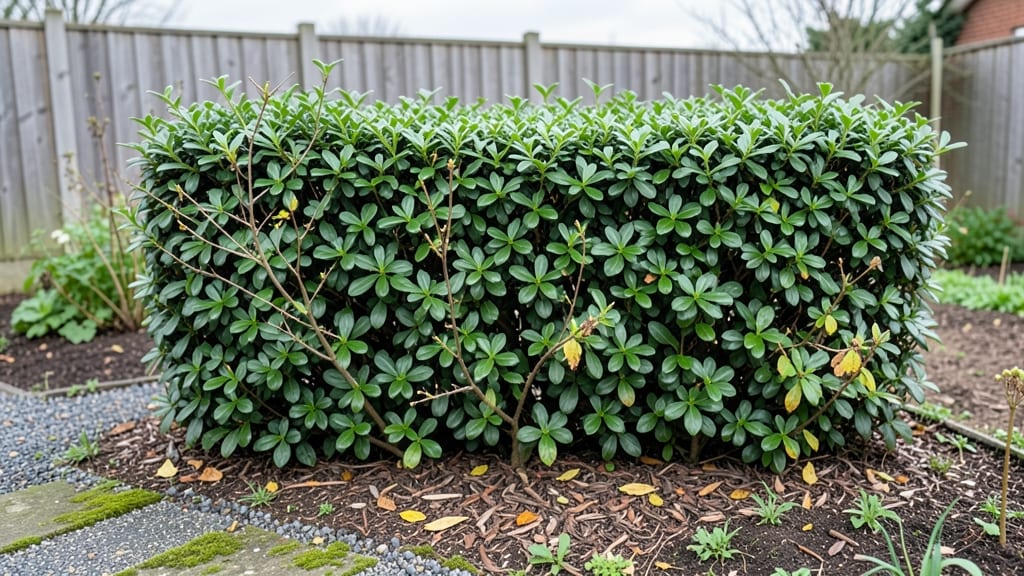
Those fast-growing shrubs as privacy fence transformed my backyard—starting with just one arborvitae sapling that outpaced my neighbor’s chain-link fence in two seasons. 🌿 The key? Choosing the right shrubs—ones that grow 12+ inches per year and fill in quickly without needing constant pruning.
I’ll show you exactly which ones deliver that kind of speed while keeping maintenance simple.
You’ll need sunlight, well-draining soil, and patience—but not the kind that takes years. Shrubs like bamboo, privet, or emerald green arborvitae create dense barriers in 3-5 years, blocking noise, wind, and prying eyes.
The best part? They look intentional, not like a hastily thrown-together hedge. I’ll walk you through spacing, soil prep, and how to layer different types for height and texture.
By the end, you’ll have a lush, year-round privacy screen that needs less upkeep than a wooden fence. Picture morning coffee on your patio with no peeking neighbors, and winter winds muffled by evergreen foliage.
The only thing faster than the growth is the satisfaction of a backyard that finally feels like yours.
Works for small yards, urban backdrops, or sprawling properties—just adjust the spacing. Let’s get those shrubs planted so you can enjoy the seclusion sooner than you think.
📚 In This Guide
- What you need
- Instructions
- Tips and common mistakes
- Wrapping up and next steps
What you need
- ● Shrubs (fast-growing varieties): 6–12 plants per 10-foot section (depending on mature width)
- ● Recommended types: Bamboo, Arborvitae, Leyland Cypress, Privet, or Holly
- ● Soil amendments: Compost (1–2 bags per 10 sq. ft.)
- ● Organic mulch (e.g., wood chips, pine straw)
- ● Tools: Shovel or spade
- ● Garden trowel
- ● Measuring tape
- ● Gloves & knee pads
- ● Watering can or hose (with adjustable nozzle)
- ○ Optional (but helpful!): Plant stakes & twine (for support)
- ● Fertilizer (slow-release or organic)
- ● Post-hole digger (if adding trellises)
- ● Landscape fabric (to suppress weeds)
- ● Sunlight assessment: Most shrubs need 6+ hours of sun/day (check plant tags!).
- ● Soil test: Amend clay or sandy soil with compost for better drainage.
- ● Spacing plan: Mark planting lines with stakes to ensure even growth.
- ● Water source: Ensure easy access for the first 2–3 weeks (deep watering 2–3x/week).
Instructions for planting fast-growing shrubs as a privacy screen
Here's how to create a lush, living privacy barrier that grows quickly and thrives year after year.
🌱 Step 1: Plan and Prepare the Planting Site
Mark your desired privacy screen width with stakes and string—aim for 6-8 feet wide to ensure full coverage within 2-3 years. Fast-growing shrubs like Leyland cypress or arborvitae need full sun (6+ hours daily) for optimal growth, so test your site’s sunlight exposure for at least a week before planting.
Dig trenches 12-18 inches wide and 18-24 inches deep along your marked line, spacing future planting holes 3-6 feet apart (closer spacing = faster coverage). Amend the native soil with 2-3 inches of compost to improve drainage and nutrient availability—this step prevents root rot and encourages vigorous growth.
🪴 Step 2: Plant Shrubs at the Right Depth and Spacing
Dig each planting hole twice as wide as the root ball but no deeper—shrubs planted too deep suffocate and struggle to establish. Gently remove each shrub from its container and loosen the roots if they’re circling. Place the shrub in the hole so the top of the root ball sits 1-2 inches above ground level (this prevents soil compaction from settling over time).
Backfill with native soil mixed with 1 cup of slow-release fertilizer per hole, tamping lightly to eliminate air pockets. Space shrubs 3-4 feet apart for smaller varieties (like boxwood) and 4-6 feet apart for tall evergreens (like Leyland cypress). Water deeply immediately after planting to settle the soil and encourage root contact.
☀️ Step 3: Mulch and Water for Rapid Establishment
Spread 2-3 inches of mulch (like wood chips or pine straw) over the soil surface, keeping it 6 inches away from the shrub stems to prevent rot. Mulch conserves moisture, suppresses weeds, and regulates soil temperature—critical for fast growth in the first year. Water deeply 2-3 times per week for the first 4-6 weeks, ensuring the soil stays moist but not soggy.
Use a soaker hose or drip irrigation to water at the base of the shrubs—this directs moisture to the roots where it’s needed most. Avoid overhead watering, which can spread disease and waste water through evaporation. You’ll know your shrubs are thriving when new growth appears within 4-6 weeks and the foliage looks dense and vibrant.
✂️ Step 4: Prune and Maintain for Year-Round Privacy
Prune shrubs in early spring before new growth begins, cutting back 1/3 of the previous year’s growth to encourage bushier, denser foliage. Use sharp pruners to make clean cuts just above a leaf node or bud—this prevents unsightly stubs and promotes faster healing. For evergreens, shape lightly in late winter to maintain symmetry and fill gaps.
Fertilize annually in early spring with a balanced, slow-release fertilizer (like 10-10-10) to support steady growth. Monitor for pests like spider mites or bagworms—treat infestations early with horticultural oil or insecticidal soap to avoid long-term damage. With consistent care, your privacy screen will reach full height in 2-3 years, providing year-round seclusion.
Tips & tricks for perfect fast-growing shrub privacy screens
Real talk: The secret to a lush, rapid-growing privacy screen isn't just about planting—it's about creating ideal conditions right from the start. Here's what nobody tells you about maximizing growth speed and long-term success.
Site Selection is Everything: Before digging, test your site's sunlight exposure for at least a week—fast-growing shrubs like Leyland cypress need 6+ hours of direct sun daily. If your yard has partial shade, consider faster-growing alternatives like emerald green arborvitae that tolerate 3-4 hours of sun. I learned this the hard way after planting cypress in a shady spot that grew at half the expected rate.
Root Ball Prep Makes All the Difference: When removing shrubs from containers, gently tease apart any circling roots—this prevents girdling as they establish. For container-grown plants, soak the root ball in water for 10-15 minutes before planting to revive roots that may have dried out. I've seen plants recover from transplant shock dramatically after this simple step, which is especially critical for fast-growing varieties that need immediate vigor.
Mulching Strategy for Maximum Speed: That 2-3 inch mulch layer isn't just decorative—it's your secret weapon for rapid growth. Use wood chips or pine straw (never fresh wood) and keep it 6 inches away from stems to prevent rot. I've noticed plants with proper mulching show new growth 2-3 weeks earlier than those without. For faster establishment, top with ½ inch of compost over the mulch annually to feed soil microbes.
Watering Wisdom for Year-Round Privacy: The 2-3 times per week watering schedule in early weeks is non-negotiable, but how you water matters more. Use a soaker hose at the base for 20-30 minutes per session—this ensures deep watering without wetting foliage. I've seen plants with overhead watering develop fungal issues that slowed growth by months. Check soil moisture by sticking your finger 2 inches deep—if it's dry, water again.
Pro Tips for Shrubs As Privacy Fence
- Real talk: The secret to a lush, rapid-growing privacy screen isn't just about planting—it's about creating ideal conditions right from the start.
- Site Selection is Everything: Before digging, test your site's sunlight exposure for at least a week—fast-growing shrubs like Leyland cypress need 6+ hours of direct sun daily.
- Root Ball Prep Makes All the Difference: When removing shrubs from containers, gently tease apart any circling roots—this prevents girdling as they establish.
Frequently asked questions
Got questions about using shrubs as your privacy fence? You’re not alone—here are some of the most common ones we hear, answered for clarity and ease!
What are the fastest-growing shrubs for a quick privacy screen?
For rapid results, opt for Bamboo (running varieties), Leyland Cypress, or Arborvitae—they can grow 3–5 feet per year. If you prefer flowering options, try Weigela or Butterfly Bush, though they grow slightly slower (1–2 feet annually). Always check local climate suitability!
How long does it take for shrubs to provide full privacy?
Most shrubs take 2–5 years to reach full height, depending on the species and care. Fast growers like Bamboo or Leyland Cypress may offer partial privacy in 1–2 years, but plan for 3+ years for a dense, mature hedge. Patience pays off with lush, unbroken coverage!
Are shrubs cheaper than traditional fences or lattice?
Yes! While material costs (plants, soil, mulch) may start at $2–$10 per shrub, they’re long-term cost-effective. Traditional fences (vinyl, wood, or metal) can run $15–$50 per linear foot installed. Shrubs also increase property value and reduce noise—win-win!
How do I keep pests and diseases from ruining my shrub fence?
Prevention is key! Space plants properly (check tags for spacing needs) to improve airflow, water deeply but infrequently, and mulch around the base to deter weeds. Monitor for aphids, spider mites, or fungal spots—treat early with neem oil or insecticidal soap. Healthy soil = resilient shrubs!
Can I mix shrubs with other plants (like vines or flowers) for a layered look?
Layering adds texture and color. Try climbing roses or clematis on trellises behind taller shrubs, or perennials like hostas or ornamental grasses at the base. Just ensure the vines won’t overwhelm your privacy screen—balance is key!
What’s the best way to protect shrubs in winter?
Most evergreens (like Arborvitae or Holly) handle cold well, but young or tender shrubs may need help. Mulch heavily (3–4 inches), water before freezing, and wrap burlap around small plants in harsh climates. Avoid heavy snow buildup—gently brush it off to prevent damage!
Wrapping up and next steps
Transforming your outdoor space into a serene, private retreat is easier than you think—shrubs as a privacy fence offer a natural, low-maintenance, and stylish solution!
From fast-growing options like bamboo or privet to evergreen favorites like boxwood, these green walls provide year-round seclusion while boosting curb appeal. Whether you’re shielding your patio, garden, or backyard, the right shrubs can create a lush, functional barrier that feels like an extension of your home.
Ready to take the next step? Sketch your layout, gather supplies, and plant with confidence! Your tranquil outdoor oasis is just a few shrubs away. 🌿✨