
Landscaping
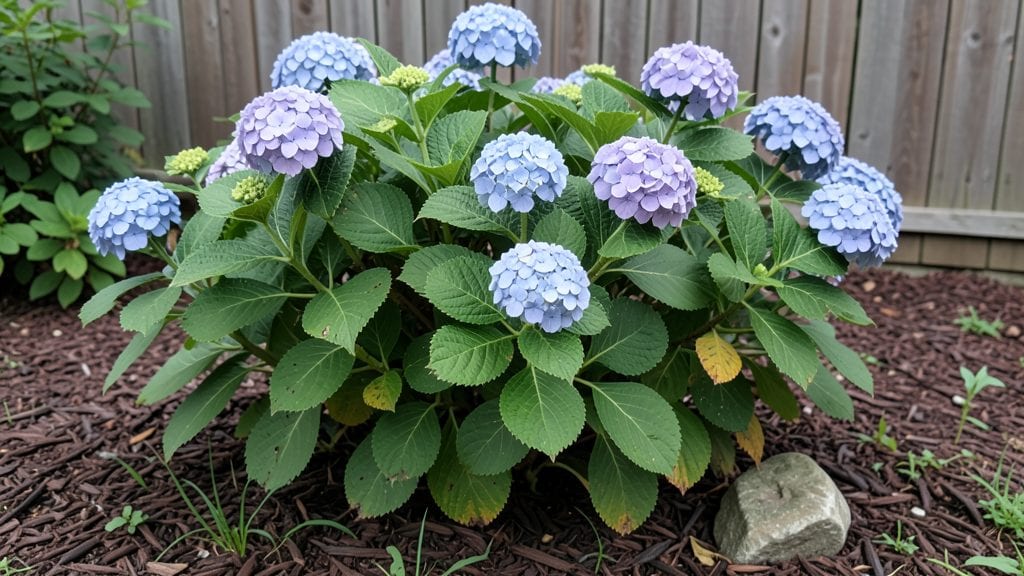
Decorative shrubs for landscaping can transform a bare yard into a lush, private retreat without taking over your space. 🌿 I learned this the hard way when my first attempt at a hedge ended up looking like a wild thicket—until I discovered the right shrubs for my climate and sunlight.
The secret lies in selecting varieties that grow densely but stay manageable, like boxwoods or privet, which thrive in tight spaces while offering year-round coverage.
Most people overlook how soil and sunlight affect shrub growth, but it’s the difference between a thriving hedge and one that struggles. For example, azaleas love acidic soil and partial shade, while lilacs prefer well-drained soil and full sun.
Once you match the right shrub to the right spot, maintenance becomes simple—just prune once a year and watch them fill in beautifully. The payoff? A private, polished look that requires far less work than you’d expect.
Imagine a border of evergreen shrubs like arborvitae or holly, their dark green needles providing a solid backdrop year-round, while spring-blooming shrubs like spirea add pops of color. Layering different heights and textures creates depth, and the best part?
These shrubs stay compact, so they won’t overwhelm your yard. You’ll end up with a landscape that feels intentional, not just filled in—without sacrificing functionality or beauty.
Whether you’re lining a fence, framing a garden bed, or creating a natural screen, the right shrubs make it effortless. Start with just a few varieties to test what works best in your space, and soon you’ll have a low-maintenance, high-impact yard that neighbors will envy.
Let’s get those shrubs planted!
Root Causes Of Shrub Struggles
Decorative shrubs are the unsung heroes of landscaping—providing structure, color, and privacy while demanding less space than trees. But when they fail to thrive, it’s often due to hidden environmental or human factors.
Understanding why your shrubs look lackluster (or worse, die) is the first step to fixing the problem. Below, we break down the science behind common shrub woes, so you can diagnose—and prevent—them.
Shrubs are picky about their dirt—literally. Compacted, waterlogged, or nutrient-poor soil can stunt growth, yellow leaves, or even kill roots. Here’s why:
- Drainage Issues: Shrubs hate soggy feet. Clay-heavy or poorly amended soil traps excess moisture, suffocating roots and inviting Phytophthora (a deadly fungus). Action: Test your soil’s drainage by digging a 12-inch hole, filling it with water, and timing how long it takes to drain. If it’s slower than 6 hours, amend with compost or sand.
- Nutrient Deficiencies: Shrubs need a balanced diet of nitrogen (N), phosphorus (P), and potassium (K). A soil test (available at garden centers or universities) reveals deficiencies. For example, yellowing lower leaves often signal nitrogen starvation, while purple stems mean phosphorus is lacking. Action: Use slow-release organic fertilizers (like composted manure or bone meal) tailored to your shrub type.
- pH Imbalances: Most shrubs prefer slightly acidic to neutral soil (pH 6.0–7.0). Acid-loving plants (e.g., Rhododendrons) wilt in alkaline soil (pH >7.0), while others (e.g., Boxwoods) struggle in acidic conditions. Action: Adjust pH with elemental sulfur (to lower) or lime (to raise), following package rates.
Watering is a Goldilocks game—too much or too little stresses shrubs. Here’s the science:
- Overwatering: Shrubs need oxygen in their root zones. Excess water displaces oxygen, causing root rot (fungal infections like Pythium). Signs: Mushy stems, foul-smelling soil, and leaves turning brown and crispy. Action: Water deeply but infrequently (1–1.5 inches per week, including rain). Use drip irrigation or soaker hoses to deliver water slowly at the root level.
- Underwatering: Wilting, dry leaf edges, and a dull green hue signal thirst. Shrubs like Lavender or Juniper are drought-tolerant but still need consistent moisture during establishment. Action: Mulch with 2–3 inches of organic material (wood chips, straw) to retain moisture and regulate soil temperature.
Pro Tip: 💡 Stick your finger 2 inches into the soil—if it’s dry, water. If it’s damp, wait. Overwatering kills more shrubs than underwatering!
Shrubs are solar-powered, but too much (or too little) sun can scorch or weaken them. Temperature extremes add another layer of stress:
- Sunburn: Young or thin-leaved shrubs (e.g., Hydrangeas) develop bleached or brown patches when exposed to harsh afternoon sun without acclimation. Action: Gradually introduce shrubs to full sun over 2–3 weeks. Use shade cloth (30–50%) for newly planted specimens.
- Frost Damage: Evergreens like Arborvitae or Holly suffer from winter desiccation when cold winds dry out leaves faster than roots can replace moisture. Action: Plant windbreaks (e.g., Bamboo or Pine screens) or wrap young shrubs in burlap during winter.
- Heat Stress: In hot climates, shrubs may drop leaves or develop leaf scorch (brown edges). Action: Choose heat-tolerant varieties like Dwarf Fountain Grass or Texas Sage. Mulch heavily and water early in the morning to reduce evaporation.
Hidden invaders and pathogens often fly under the radar until your shrubs show signs of distress. Here’s how to spot the culprits:
- Insects:
- Spider Mites (tiny red pests) cause stippled, yellow leaves by sucking sap. They thrive in dry conditions. Action: Spray with water to dislodge them or use neem oil.
- Japanese Beetles skeletonize leaves, leaving a lace-like pattern. Action: Handpick beetles or apply milky spore bacteria to the soil.
- Aphids cluster on new growth, excreting sticky honeydew that attracts sooty mold. Action: Blast off with a strong water stream or introduce ladybugs (natural predators).
- Diseases:
- Powdery Mildew (white, talcum-like fungus) appears in humid, shaded areas. Action: Improve airflow with pruning and apply baking soda spray (1 tsp baking soda + 1 quart water + a drop of soap).
- Root Rot (from overwatering) causes sudden wilting despite moist soil. Action: Dig up the shrub, trim rotted roots, and replant in amended soil with better drainage.
Pro Tip: 🔥 Prevent pests by keeping shrubs healthy—stressed plants are easy targets. Regularly inspect leaves (especially undersides) for early signs of trouble.
Now that you know the why, the next step is the how—stay tuned for actionable fixes to revive your shrubs and keep them thriving year-round!
Revitalize Your Shrubs Now
If your decorative shrubs are struggling, the good news is that most issues can be fixed with the right approach. Below, we’ve mapped out practical solutions for common problems—plus prevention tips to keep your shrubs thriving year-round. Let’s get your landscape back in top shape!
Problem: Shrubs that are too close together compete for sunlight, water, and nutrients, leading to stunted growth or disease.
How to Fix It: 🔥 Prune for Airflow – Trim back overgrown branches to improve circulation. Focus on removing:
- Dead or crossing branches
- Inner growth blocking sunlight
- Weak stems rubbing against others
🍳 Rethink Spacing – If shrubs are too packed, dig up and relocate some to a sunnier spot (most shrubs need 3–6 feet of space depending on maturity). Use a transplanting spade to minimize root damage.
👨🍳 Add Mulch & Soil Amendments – Loosen compacted soil with a garden fork and mix in compost or aged manure to improve drainage. Top with 2–3 inches of mulch to retain moisture and regulate temperature.
⏰ Prevention Tips: ✔ Plan Ahead – Research mature sizes before planting. Group fast-growing shrubs together and slower growers separately. ✔ Prune Regularly – Light pruning in late winter or early spring keeps shrubs manageable. ✔ Monitor Growth – If leaves yellow or stems weaken, it’s a sign of overcrowding.
Problem: Discolored or drooping leaves often signal underwatering, overwatering, or pests.
How to Fix It: 💡 Check the Soil – Stick your finger 1–2 inches deep. If dry, water deeply; if soggy, hold off and improve drainage.
🌡️ Adjust Watering Habits – Most shrubs prefer:
- 1–1.5 inches of water per week (including rain)
- Deep, infrequent watering (better than daily shallow watering)
- Morning watering to reduce evaporation and fungal risks
🎯 Fertilize Smartly – If leaves are pale or sparse, apply a slow-release, balanced fertilizer (10-10-10 or 20-20-20) in early spring. Avoid over-fertilizing—it burns roots!
🔪 Inspect for Pests – Look for:
- Aphids, spider mites, or scale insects (use neem oil or insecticidal soap)
- Fungal spots (prune affected areas and apply copper fungicide)
✨ Prevention Tips: ✔ Group by Water Needs – Pair drought-tolerant shrubs (like boxwood) with others needing similar care. ✔ Avoid Wet Feet – Ensure proper drainage with gravel layers or raised beds if your soil is clay-heavy. ✔ Clean Up Debris – Remove fallen leaves to prevent fungal buildup.
Problem: Bugs or infections can spread quickly if left unchecked, turning lush shrubs into a sad, chewed-up mess.
How to Fix It: 🔥 Identify the Culprit – Common shrub pests include:
- Japanese beetles (skeletonized leaves)
- Caterpillars (rolled or chewed leaves)
- Powdery mildew (white fuzzy coating)
🍳 Natural Remedies First –
- Soap spray (1 tbsp mild dish soap + 1 quart water) for soft-bodied insects.
- Diatomaceous earth (food-grade) for crawling pests like slugs.
- Bacillus thuringiensis (Bt) for caterpillars.
👨🍳 Severe Cases? – If pests persist, use pesticides labeled for ornamental shrubs (follow instructions carefully).
🔪 Prune & Dispose – Cut off infected branches (don’t compost them!) and sterilize pruners with rubbing alcohol.
⏰ Prevention Tips: ✔ Encourage Beneficial Insects – Plant marigolds or lavender nearby to attract ladybugs and lacewings. ✔ Space Shrubs for Airflow – Reduces humidity, which pests and fungi love. ✔ Water at the Base – Avoid wetting leaves to prevent fungal spores from spreading.
With these solutions, your decorative shrubs will bounce back stronger than ever. The key is acting early—whether it’s pruning, adjusting care, or a little pest control. Happy landscaping! 🌿✨
Frequently asked questions about decorative shrubs
What are the best low-maintenance shrubs for beginners?
Start with hardy varieties like boxwood (evergreen, compact) or dwarf lilac (fragrant blooms). Abelia and spirea are also great—they tolerate pruning, handle different light conditions, and rarely need fertilizing. These thrive with minimal care once established.
How do I choose shrubs that work together in a border?
Mix heights, textures, and bloom times for year-round interest. Pair a tall evergreen (like arborvitae) with mid-height bloomers (e.g., hydrangea) and low-growing ground cover (e.g., dwarf mondo grass). Test arrangements in a sketch first—group odd-numbered plants for natural balance.
Can I plant shrubs in containers instead of the ground?
Yes! Many shrubs thrive in pots, including dwarf boxwoods, lavender, and compact azaleas. Use containers with drainage holes and well-draining potting mix. Rotate pots occasionally for even growth, and repot every 2-3 years to refresh the soil.
Why do my shrubs look leggy or sparse?
Leggy growth usually means they need more light or proper pruning. Trim back overgrown branches in late winter to encourage bushier growth. If the issue persists, move them to a sunnier spot—most shrubs need 6+ hours of sunlight daily for optimal density.
What’s the secret to keeping shrubs green all winter?
Evergreens like holly or inkberry stay vibrant with consistent moisture before winter and a 2-3 inch mulch layer to protect roots. Water deeply in fall to build reserves, and avoid heavy snow buildup on branches—gentle brushing helps prevent breakage.