
Shrubs
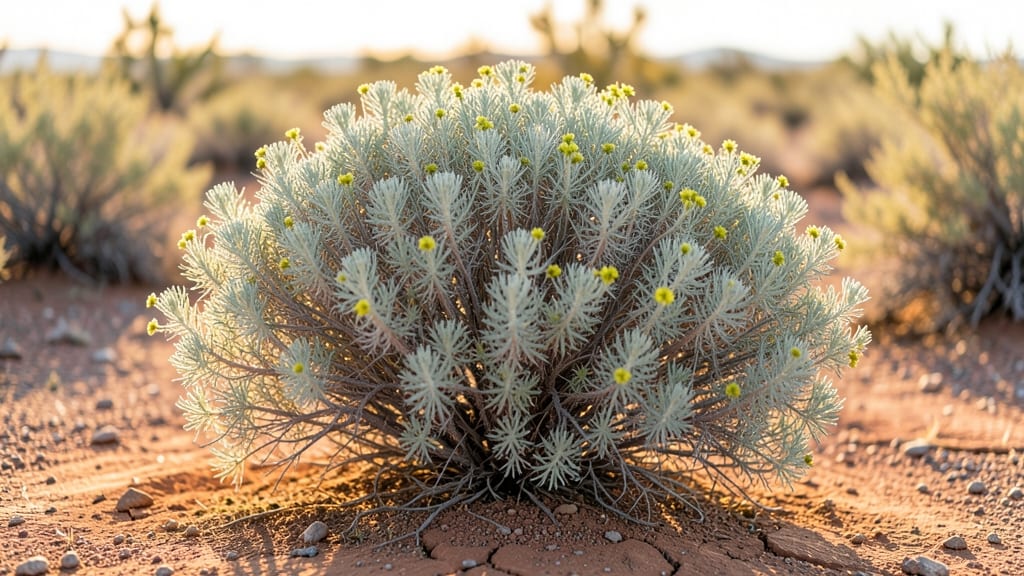
Desert shrubs don’t just survive—they thrive with year-round color that turns arid landscapes into vibrant oases. 🌵 I’ve designed my own desert garden using plants that drink less water but pack more visual punch than anything I’d find in a nursery catalog.
The secret? Choosing the right species that balance beauty with brutal drought tolerance.
These shrubs aren’t just pretty faces—they’re hardworking landscape stars. Texas sage and desert willow provide shade, ocotillo adds dramatic structure, and brittlebush bursts with golden blooms when others are dormant. They handle 110°F heat, require zero summer watering once established, and attract pollinators even in the driest months.
The key is spacing them 4-6 feet apart to reduce competition for moisture.
You’ll end up with a garden that stays lush without guzzling resources. The silver foliage of cholla contrasts stunningly with the deep red of desert marigold, while yucca adds architectural height.
These plants grow slowly but steadily, rewarding patience with decades of low-maintenance beauty. Even in monsoon season, they bounce back without fuss.
Perfect for front yards, patios, or even container gardens—these shrubs prove desert landscapes can be both stunning and sustainable. Let’s pick the right ones for your space and climate zone.
📚 In This Guide
- What you need
- Instructions
- Tips and common mistakes
- Wrapping up and next steps
What you need
- ● Drought-resistant shrubs (5–10 plants): 1–2 Agave (e.g., 'Blue Glow' or 'Blue Flame') – 3–5 ft tall
- ● 1 Desert Marigold (Baileya multiradiata) – 1–3 ft tall
- ● 1–2 Texas Sage (Leucophyllum frutescens) – 3–6 ft tall
- ● 1 Blackfoot Daisy (Melampodium leucanthum) – 1–2 ft tall
- ● 1 Bougainvillea (for vibrant color) – 6–10 ft tall
- ○ Soil amendments (optional but helpful): 5–10 lbs composted manure or worm castings (for nutrient boost)
- ● 1–2 bags gravel or pumice (for drainage, 10–20 lbs each)
- ● Planting tools: 1 shovel or trowel (for digging holes)
- ● 1 garden hose with spray nozzle (or watering can)
- ● 1 pruning shears (for trimming)
- ● 1 gloves (to protect your hands)
- ● Mulch: 2–3 bags gravel or decomposed granite (for water retention and heat reflection)
- ● Sunlight: Full sun exposure (6+ hours/day) – desert shrubs thrive in heat!
- ● Water source: Drip irrigation system or a way to water deeply but infrequently (e.g., 1–2 gallons per plant, 2x/week for the first month).
- ● Soil type: Well-draining, sandy, or rocky soil (amend clay soil with 20% gravel).
- ● Climate zone: USDA Zones 5–11 (most desert shrubs love arid conditions).
- ● Spacing: Plant shrubs 3–6 ft apart (depending on mature size).
- ● Avoid overcrowding to prevent competition for water.
- ● 1 soil moisture meter (to check water levels)
- ● 1 fertilizer (low-nitrogen, 5-10-10 ratio, applied 2x/year)
- ● 1 landscape fabric (to suppress weeds)
- ● Decorative rocks or succulents (for a cohesive desert look)
Step-by-step guide for selecting and planting desert shrubs
Here’s how to choose and establish hardy shrubs that thrive in arid climates with minimal fuss.
🌱 Step 1: Choose the Right Shrubs for Your Desert Microclimate
Desert shrubs aren’t one-size-fits-all—your selection depends on heat intensity, soil type, and rainfall patterns. For low-water zones, opt for desert willow (Chilopsis linearis) or Texas sage (Leucophyllum frutescens), which bloom spectacularly after minimal irrigation. In higher-elevation deserts where nights cool, manzanita (Arctostaphylos) and ocotillo (Fouquieria splendens) handle temperature swings better.
Check your USDA Hardiness Zone and local rainfall averages—some shrubs like creosote bush (Larrea tridentata) thrive in 5 inches of annual rain, while others need supplemental watering every 3-4 weeks. I always verify a plant’s native range—if it grows wild in your region, it’s already adapted to your soil and climate.
🪴 Step 2: Prepare the Planting Site for Maximum Survival
Desert shrubs despise competition. Clear the area of weeds and grass within a 3-foot radius—their shallow roots will struggle to compete. Loosen the soil to a depth of 12 inches with a broadfork or tiller, but avoid over-amending with organic matter. Desert soils need minimal disturbance to maintain their natural structure and drainage.
For sandy soils, mix in 1 part compost into the top 6 inches of soil to improve water retention without suffocating roots. In clay-heavy areas, create a 12-inch-deep planting mound to prevent water pooling. Test your soil’s pH—most desert shrubs prefer neutral to slightly alkaline (6.5-7.5)—and amend if needed with pelletized lime for alkaline-loving species.
☀️ Step 3: Plant at the Right Depth and Water Strategically
Dig a hole twice as wide as the root ball but no deeper—planting too deep suffocates roots and encourages rot. Gently tease apart circled or pot-bound roots before placing the shrub in the hole. Backfill with native soil, firming lightly to eliminate air pockets, but don’t compact aggressively.
Water deeply immediately after planting—10-15 gallons for mature shrubs—to encourage roots to grow downward. After that, wait 7-10 days before watering again. Overwatering now leads to root rot, while underwatering stresses plants before they establish. Mulch with 2-3 inches of gravel or bark (not organic mulch—it retains too much moisture) to reduce evaporation and regulate soil temperature.
✂️ Step 4: Prune for Shape and Health in Early Spring
Desert shrubs rarely need heavy pruning, but light shaping in late winter or early spring (before new growth starts) keeps them compact and encourages blooms. Remove dead, diseased, or crossing branches first—cut back to the main stem or a healthy bud. For Texas sage, prune right after flowering to maintain shape without sacrificing next year’s blooms.
Never prune more than one-third of the plant at once—desert shrubs are slow to recover. Use sterilized pruners to prevent bacterial infections, and avoid pruning in extreme heat (above 95°F), which stresses plants. If you’re shaping a desert willow, focus on removing overly leggy branches to encourage a bushier form.
💧 Step 5: Establish a Smart Watering Schedule for Long-Term Survival
After the first 30-60 days, transition to a deep-and-infrequent watering schedule. For newly planted shrubs, water every 2-3 weeks with 15-20 gallons per shrub, soaking the soil to a depth of 12-18 inches. For established shrubs, extend intervals to every 4-6 weeks—most desert shrubs store water in their stems and leaves.
Water early in the morning (before 8 AM) to reduce evaporation and fungal risks. Use drip irrigation or soaker hoses to deliver water directly to the root zone—avoid overhead sprinklers, which waste water and encourage mildew. If your area gets occasional summer rains, reduce watering by half to prevent over-saturation.
Tips & tricks for perfect desert shrub planting
Between us, planting desert shrubs right can mean the difference between a thriving landscape and years of frustration. Here’s what nobody tells you about making these tough plants truly shine.
Native Range Research: The single most important factor in selecting shrubs is verifying their native range. I’ve seen people bring home beautiful creosote bushes only to watch them struggle because they weren’t from their local desert ecosystem. Always cross-reference your USDA Hardiness Zone with the plant’s natural habitat—this ensures compatibility with your soil, rainfall, and temperature extremes. For example, ocotillo thrives in the Sonoran Desert but may struggle in cooler desert regions like the Mojave.
Soil Preparation Secret: When loosening that 12-inch depth of soil in Step 2, focus on breaking up only the top 6 inches thoroughly while leaving the lower layers intact. Desert soils have evolved to hold moisture at depth, and over-disturbing can destroy this natural water storage. I use a broadfork to aerate without turning the soil completely—this preserves the soil structure while still improving drainage. For clay-heavy areas, that 12-inch planting mound is non-negotiable; it creates the perfect microclimate by preventing water pooling that would otherwise suffocate roots.
Watering Strategy: The immediate 10-15 gallons after planting might seem excessive, but it’s critical for establishing root growth downward. I’ve learned this the hard way—skipping this step leads to shallow root systems that can’t access deeper moisture. After the initial watering, that 7-10 day wait might feel agonizing, but it forces roots to seek out moisture rather than creating surface roots that dry out quickly. Pro tip: Use a soil probe to check moisture depth after watering—it should penetrate easily to 12 inches.
Pruning Precision: That 95°F temperature threshold for pruning isn’t just about avoiding heat stress—it’s about preventing sap flow that can invite bacterial infections. I always prune Texas sage right after flowering because the plant’s energy shifts from blooms to seed production, making it the perfect time for shaping. For desert willows, focus on removing only the most leggy branches—these are competing with the central structure for water and nutrients. Never cut into old wood unless absolutely necessary; desert shrubs are slow to recover from major pruning.
Pro Tips for Shrubs In Desert
- Between us, planting desert shrubs right can mean the difference between a thriving landscape and years of frustration.
- Native Range Research: The single most important factor in selecting shrubs is verifying their native range.
- Soil Preparation Secret: When loosening that 12-inch depth of soil in Step 2, focus on breaking up only the top 6 inches thoroughly while leaving the lower layers intact.
Frequently asked questions
Got questions about thriving shrubs in desert landscapes? You’re not alone! Here are some of the most common concerns—and straightforward answers—to help you create a stunning, low-maintenance oasis.
What are the easiest shrubs to grow in a desert climate?
Start with desert-adapted natives like Texas Sage (Leucophyllum frutescens), Bougainvillea, or Agave. These thrive with minimal water, handle extreme heat, and often bloom year-round. For instant color, Desert Marigold (Baileya multiradiata) is a top pick—it’s drought-tolerant and attracts pollinators!
How often should I water desert shrubs?
Once established (after 1–2 years), most desert shrubs need water every 2–4 weeks, depending on rainfall. Deep watering (1–2 inches per session) encourages strong roots. In scorching summers, increase frequency slightly—but never water shallowly. Pro tip: Water in the early morning to reduce evaporation.
Can I use mulch to help desert shrubs survive?
Apply 2–4 inches of organic mulch (like gravel or wood chips) around the base to retain moisture, regulate soil temperature, and suppress weeds. Just keep mulch 6 inches away from the trunk to prevent rot. Bonus: Mulch also cuts down on watering needs by up to 30%!
Why are my desert shrubs turning brown or crispy?
Brown, crispy leaves usually mean overwatering, sunburn, or root stress. Check soil moisture—if it’s soggy, reduce watering. If leaves are only brown on the edges, it’s likely sun scorch. Try light shade during peak afternoon heat or prune to improve airflow. P.S.: Some shrubs (like Agave) naturally develop brown tips as they mature!
Are there non-native shrubs that work well in desert gardens?
Yes! While natives are ideal, Olive Trees (Olea europaea), Rosemary (Rosmarinus officinalis), and Lantana are hardy non-natives that handle desert conditions. Just ensure they’re drought-tolerant and avoid water-guzzlers like Hydrangeas. Always check your USDA Hardiness Zone for local suitability.
Wrapping up and next steps
Transforming your desert landscape with drought-resistant shrubs isn’t just practical—it’s a celebration of resilience and beauty! 🌵 These hardy plants bring year-round color, low maintenance, and eco-friendly charm to even the driest climates.
Whether you’re a seasoned gardener or just starting, the right shrubs can turn your outdoor space into a thriving oasis.
Ready to take the next step? Start by selecting a few varieties that match your soil, sunlight, and design goals. Then, roll up your sleeves—your desert garden will thank you! 🌸