
Shrubs
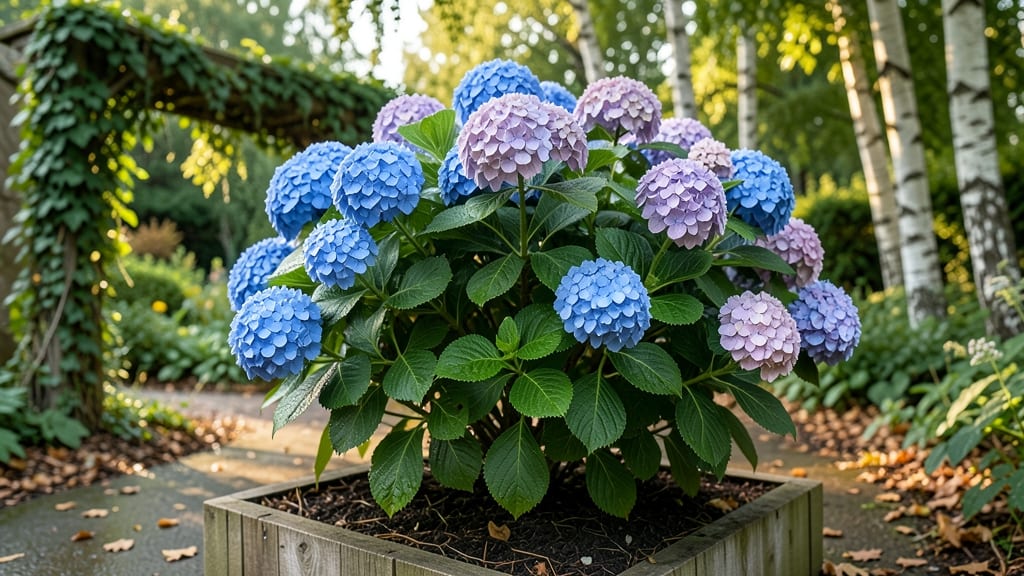
Small colorful shrubs can turn any corner of your garden into a year-round showstopper with almost no effort. 🌸 I’ve filled my own yard with these low-maintenance plants—some bloom spring to fall, others change color with the seasons—and they’ve completely transformed my space into a vibrant, ever-changing canvas.
The best part? Most need minimal pruning and thrive in tight spots, whether tucked into borders, spilling over containers, or anchoring mixed plantings.
Think hydrangeas that shift from pink to blue, abelia with cascading white flowers, or dwarf flowering cherries that burst with springtime drama.
These shrubs work together beautifully: pair a deep purple butterfly bush with chartreuse spirea for a bold contrast, or let weigela’s pink blooms echo the color of nearby roses. The key is mixing textures—some fuzzy, some glossy—and blooming times so your garden never looks bare.
You’ll end up with a garden that feels alive all year, even in winter when evergreens like dwarf boxwood or inkberry holly add structure and color. The shrubs I’ve chosen stay compact (most under 4 feet tall), so they fit anywhere without overwhelming smaller spaces.
With just a little planning, you can create layers of color that shift with the seasons—no green thumb required.
Here’s how to pick the right mix for your space, plus the care secrets that keep them looking fresh with almost no work. Let’s bring that vibrant energy to your garden!
📚 In This Guide
- What you need
- Instructions
- Tips and common mistakes
- Wrapping up and next steps
What you need
- ● Small shrubs (3–5 plants per variety) – Choose from vibrant options like Hydrangea 'Little Lime', Abelia 'Kaleidoscope', or Dwarf Butterfly Bush. Opt for 1-gallon containers for easy handling.
- ● High-quality potting soil or garden loam – 50 lbs (or enough to fill planting holes). Use a mix with 30% compost for nutrient-rich soil.
- ● Organic mulch (cedar or pine) – 2–3 bags (2 cu. ft. each) to retain moisture and suppress weeds.
- ● Slow-release fertilizer (10-10-10 or balanced formula) – 1 lb per 10 sq. ft. of planting area.
- ● Garden trowel or spade – For digging holes 2x wider and as deep as the root ball.
- ● Pruning shears (bypass, sharp) – 1 pair for shaping and minimal trimming.
- ● Watering can or hose with nozzle – 5-gallon capacity for deep watering.
- ● Gloves (gardening or work gloves) – 1 pair to protect hands from thorns or rough bark.
- ○ Measuring tape (optional) – To ensure proper spacing (2–3 ft. apart for most small shrubs).
- ● Sunlight assessment – Confirm your garden’s sun exposure (full sun, partial shade, or full shade) to match shrub needs.
- ○ Well-draining soil test (optional but recommended) – Use a soil pH kit to check acidity (aim for 6.0–7.0 for most shrubs).
- ● Water source nearby – Shrubs need 1–2 inches of water per week (adjust for drought conditions).
- ● Seasonal timing (best for planting) – Early spring or fall (avoid extreme heat or frost).
How to select and plant small colourful shrubs for year-round interest
Here’s how I choose and establish vibrant, low-maintenance shrubs that deliver colour through every season.
🌿 Step 1: Choose Shrubs for Seasonal Colour Layers
Prioritize shrubs with staggered bloom times and contrasting foliage. For spring, Abelia and Pieris deliver soft pinks and whites, while Dwarf Fothergilla adds fiery orange fall foliage. In winter, Winter Dappled Willow (Salix caprea ‘Britzensis’) provides silvery bark texture. I always select at least one evergreen—Dwarf Boxwood or Inkberry Holly—to anchor the design.
Check mature height tags: most small shrubs stay under 3 feet tall, but Dwarf Lilac (Syringa meyeri) can reach 4-5 feet if not pruned. Group plants with similar water needs together—hydrangeas and azaleas prefer consistent moisture, while spirea and butterfly bush tolerate brief dry spells.
☀️ Step 2: Site Selection Based on Sunlight and Soil
Observe your yard’s microclimates: full sun (6+ hours) suits potentilla and coralberry, while partial shade (3-6 hours) works for azaleas and camellias. I test soil drainage by digging a 12-inch hole—if water pools after 30 minutes, amend with 2 inches of compost or plant on a mound. Most small shrubs prefer slightly acidic soil (pH 5.5-6.5), so test before planting.
Wind exposure matters too: Dwarf Ninebark and Weigela handle breezy spots, but Dwarf Hydrangea (H. paniculata ‘Little Lime’) needs shelter to prevent winter dieback. Plant windbreaks like Dwarf Arborvitae on exposed edges to protect delicate blooms.
🪴 Step 3: Plant with Proper Spacing and Mulch
Dig holes twice as wide as the root ball but only as deep—top of root ball should sit 1 inch above ground level. Loosen roots gently if pot-bound, then backfill with native soil mixed with 1 part compost (use the 4 gallons you’ve prepared). Water deeply to settle soil before mulching.
Space shrubs 18-36 inches apart depending on mature width: Dwarf Spirea (S. japonica ‘Little Princess’) needs 24 inches, while Dwarf Lilac requires 3 feet. Apply 2-3 inches of mulch (shredded bark or pine needles) around the base, keeping it 2 inches away from stems to prevent rot. This conserves moisture and suppresses weeds without smothering roots.
✂️ Step 4: Minimal Pruning for Shape and Health
Prune right after flowering (late spring) to shape and encourage next year’s blooms. Remove dead or crossing branches first, then trim back overgrowth by ⅓ of the plant’s height using clean, sharp pruners. For Dwarf Hydrangea, cut back old wood (last year’s stems) to encourage new growth.
Never prune spring-blooming shrubs (like Pieris) in fall—they set flower buds over winter. Instead, I mark branches with twist ties after pruning to track growth patterns. A light summer trim (after 60% of blooms fade) keeps shrubs dense without sacrificing next year’s flowers.
💧 Step 5: Water and Fertilize for Long-Term Vibrancy
Water deeply once a week for the first 2 months, then taper to every 10-14 days once established. Check soil moisture by pushing a finger 2 inches deep—if dry, water until it drips from the hole’s bottom. Most small shrubs need 1 gallon per plant per watering session.
Fertilize once in early spring with a balanced 10-10-10 formula (use ½ cup per shrub). Avoid high-nitrogen fertilizers—they promote leafy growth at the expense of flowers. I top-dress Dwarf Azaleas with acid-loving plant food in spring and fall for vibrant blooms.
Tips & tricks for small colourful shrubs with year-round appeal
Creating a vibrant, low-maintenance shrub garden takes thoughtful planning—and these details make all the difference.
Seasonal Layering Strategy: In Step 1, when selecting shrubs, I recommend adding one fragrant variety like Dwarf Lilac to complement the visual appeal. The scent alone can transform a garden space, especially when paired with Abelia for its delicate blooms. For winter interest, consider Dwarf Witch Hazel alongside Winter Dappled Willow—its golden-yellow flowers provide unexpected color when most plants are dormant. This layered approach ensures visual interest throughout all seasons without overcrowding.
Soil Test Shortcut: Before planting in Step 2, use a simple vinegar and baking soda test to check your soil's acidity. Mix equal parts vinegar and water in a small cup—pour over soil; if it fizzes, your soil is alkaline. Then mix equal parts baking soda and water—pour over soil; if it fizzes, your soil is acidic. Most shrubs prefer that slightly acidic range (pH 5.5-6.5), so you can adjust by adding sulfur for acid-loving plants or lime for alkaline soils. This avoids the need for expensive lab tests while giving you precise guidance.
Planting Depth Visual: In Step 3, when planting, I use a simple trick to ensure proper depth: hold the shrub by the root ball and mark the soil level with your thumb. This mark should sit 1 inch above the finished ground level after planting. The top of the root ball should never be buried—this prevents rot while allowing the stem to thicken naturally. For container-grown plants, gently squeeze the root ball to check for pot-bound roots; if roots circle tightly, make 2-3 vertical cuts to encourage outward growth.
Pruning Color Code: In Step 4, when pruning, I color-code my pruners with permanent markers to track different shrubs. Use green for spring-bloomers like Pieris, red for summer-bloomers like Dwarf Hydrangea, and yellow for evergreens. This visual system prevents accidental over-pruning of spring-bloomers in fall or cutting back old wood on hydrangeas. I also keep a small notebook nearby to record pruning dates—this helps track growth patterns and bloom cycles year after year.
Pro Tips for Small Colourful Shrubs
- Creating a vibrant, low-maintenance shrub garden takes thoughtful planning—and these details make all the difference.
- Seasonal Layering Strategy: In Step 1, when selecting shrubs, I recommend adding one fragrant variety like Dwarf Lilac to complement the visual appeal.
- Soil Test Shortcut: Before planting in Step 2, use a simple vinegar and baking soda test to check your soil's acidity.
Frequently asked questions
Got questions about keeping your small colorful shrubs thriving? We’ve got answers! Here are some of the most common queries—plus practical tips to keep your garden popping year-round.
What’s the easiest way to care for small colorful shrubs with minimal effort?
Choose low-maintenance varieties like Dwarf Boxwood, Cotoneaster, or Abelia. These thrive in partial sun, need watering only when soil is dry, and tolerate light pruning. Mulch annually to retain moisture and suppress weeds—that’s it!
When is the best time to plant small colorful shrubs for year-round color?
Plant in early spring or fall (4-6 weeks before frost) for the best root establishment. Avoid summer heat or winter freezes, which can stress young shrubs. Pro tip: Soak roots in water for 1-2 hours before planting to reduce transplant shock!
How do I keep my shrubs colorful if they lose their vibrancy?
Fading color? Check for overcrowding, poor drainage, or nutrient deficiency. Prune dead blooms regularly to encourage new growth, and fertilize lightly in spring with a balanced, slow-release formula. Sunlight matters! Most colorful shrubs need 6+ hours of sun daily.
Can I grow small colorful shrubs in containers? What’s the best setup?
Use well-draining pots (12"+ diameter) with a mix of potting soil and perlite. Opt for compact varieties like Dwarf Hydrangea or Japanese Spirea. Water daily in summer and fertilize monthly. Rotate containers for even sunlight exposure!
How do I prune small colorful shrubs without ruining their shape?
Prune right after flowering (or in late winter for spring bloomers) to avoid cutting off next year’s buds. Use clean, sharp shears and trim 1/3 of the oldest stems to encourage new growth. Skip heavy pruning! Light shaping keeps them lush and colorful.
Still stumped? Drop your shrub type below—we’re happy to help!
Wrapping up and next steps
Small, colorful shrubs are the perfect way to add year-round charm to your garden with minimal effort! Whether you’re drawn to bold blooms, lush foliage, or vibrant berries, these low-maintenance plants bring joy without the fuss. 🌸
Ready to transform your outdoor space? Start by picking one or two shrubs that suit your climate and style—then watch your garden thrive with color and life. Happy planting!