
Trees
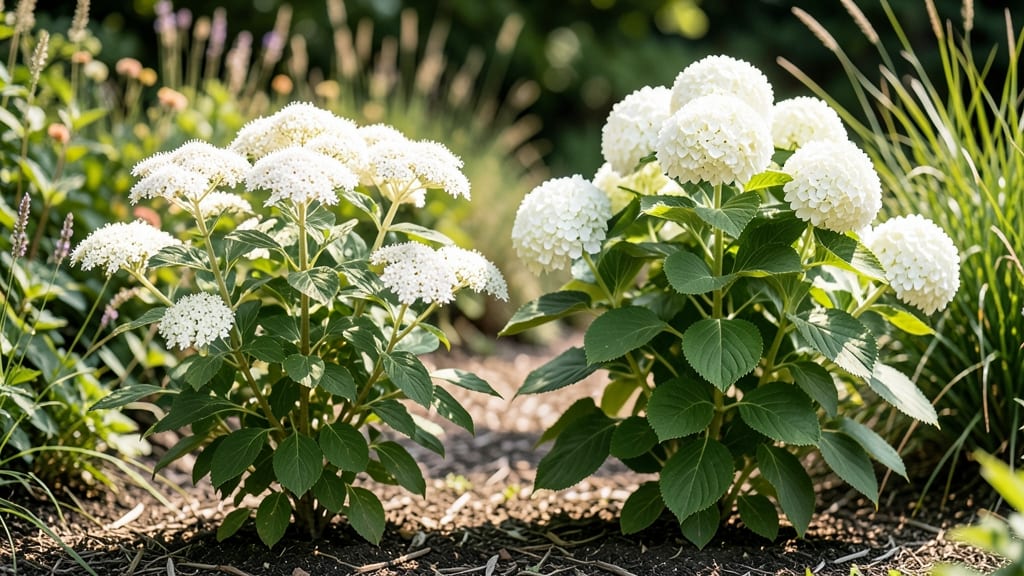
That fragrant privacy screen you’ve been dreaming of might be smaller than you think. 🌿 The right small white-flowered shrub—like Deutzia or Pieris—can create lush, fragrant borders that thrive year-round without taking over your yard.
These shrubs aren’t just pretty; they’re tough, adaptable, and perfect for cottage gardens, modern hedges, or pollinator-friendly spaces. What makes them special? Their delicate white blooms appear in spring, followed by glossy foliage that stays vibrant through fall. Some varieties even offer winter interest with unique bark or berries.
They’re low-maintenance enough for busy gardeners but elegant enough to steal the show. You’ll love how they soften fences, line walkways, or frame entryways with their airy, romantic charm. Pair them with lavender for a fragrant cottage vibe or mix with boxwoods for a crisp, modern look.
The best part? They attract bees and butterflies while keeping your space private and inviting. Whether you’re filling a narrow bed or adding height to a border, these shrubs deliver year-round beauty with minimal effort. Let’s find the perfect one for your garden’s style!
📚 In This Guide
- What you need
- Instructions
- Tips and common mistakes
- Wrapping up and next steps
What you need
- ● Small white-flowered shrub: Choose Deutzia, Pieris, or Abelia (3–6 ft tall, depending on desired height). Note: Ensure it’s disease-free and well-rooted.
- ● High-quality potting soil: 1–2 cubic yards (for in-ground planting) or 2–3 bags (18–24 qt each) for containers.
- ● Organic compost: 1–2 bags (40 lb each) to enrich soil and improve drainage.
- ● Slow-release fertilizer: 10–20 lb (12–16–12 NPK ratio) for balanced growth.
- ● Mulch: 2–3 bags (2–3 cubic feet each) of wood chips or pine straw to retain moisture.
- ● Garden shovel or spade: For digging holes (12–18" wide and deep).
- ● Garden trowel: For transplanting smaller shrubs or amending soil.
- ● Pruning shears: Bypass type (sharp, 6–8" blades) for shaping and maintenance.
- ○ Garden hose with nozzle: For watering (soaker hose is optional but ideal).
- ● Gloves & knee pads: To protect hands and knees during planting.
- ● Measuring tape: To ensure proper spacing (6–10 ft apart for shrubs).
- ● Epsom salt (magnesium sulfate): 1–2 tbsp per plant for vibrant blooms.
- ● Plant food spikes: 2–4 spikes for slow-release nutrients.
- ● Container or planter: 15–20 gallon (for patio or balcony planting).
- ● Drip irrigation kit: For automated watering in larger landscapes.
- ● Plant tags: To label varieties and track care schedules.
How to plant and maintain a fragrant white-blossoming privacy screen
Transform your yard with this easy-to-grow shrub that delivers year-round fragrance and living privacy.
🌱 Step 1: Choose the Perfect Spot for Year-Round Growth
Pick a location with 6 hours of morning sun and afternoon shade—this protects delicate blooms while keeping roots cool. I always test the area first by observing how sunlight shifts throughout the day. Avoid spots where water pools after rain, as soggy soil invites root rot.
Check the soil pH with a simple test kit (aim for 6.0-7.0). If your soil is heavy clay, mix in 3 inches of compost to improve drainage. The shrub thrives in well-draining soil, so if your yard floods easily, plant on a slight mound to elevate the roots.
☀️ Step 2: Dig and Prepare the Planting Hole
Dig a hole twice as wide as the root ball but only as deep as the container’s base. This prevents burying the stem too deeply, which can suffocate the plant. Gently loosen the roots if they’re circling tightly in the pot—just tease them apart with your fingers.
Add a handful of slow-release fertilizer to the hole’s base, then mix the excavated soil with 1 part compost to improve fertility. The goal is loose, airy soil that encourages strong root establishment. Place the shrub in the hole so the top of the root ball sits 1 inch above ground level.
💧 Step 3: Plant and Water Deeply for Immediate Support
Fill the hole with the amended soil, pressing gently around the edges to remove air pockets. Water immediately with 2 gallons of water to settle the soil and encourage root contact. You’ll see the soil sink slightly—this is normal and means the roots are making contact with the earth.
Mulch around the base with 2-3 inches of organic mulch, keeping it 3 inches away from the stem to prevent rot. The mulch locks in moisture and regulates soil temperature, which is especially helpful in hot climates. Water again lightly to help the mulch settle.
🌿 Step 4: Prune and Shape for Full, Bushy Growth
Trim back any dead or damaged branches first, cutting just above a leaf node where new growth can emerge. Then, shape the shrub by removing 1/3 of the oldest stems at the base—this rejuvenates the plant and encourages fuller growth. Use clean, sharp pruners to make cuts at a 45-degree angle.
For a privacy screen, space plants 3-4 feet apart in a staggered row. This creates a dense barrier while allowing airflow between plants. After planting, water deeply once a week for the first month, then taper to every 10-14 days once established. You’ll know it’s thriving when new growth appears within 4-6 weeks.
⏰ Step 5: Maintain Year-Round Fragrance and Health
Fertilize lightly in early spring and again after flowering with a balanced 10-10-10 formula, applying it to the soil surface and watering it in. Avoid over-fertilizing, which can lead to excessive leaf growth at the expense of blooms. Prune again in late winter to remove any dead wood and shape for the new season.
Watch for pests like aphids or spider mites—spray with a strong stream of water to dislodge them, or treat with neem oil if infestations persist. The shrub’s fragrant blooms will reward you with a sweet, intoxicating scent that lingers for weeks. With proper care, your privacy screen will flourish for years, offering both beauty and seclusion.
Tips & tricks for perfect small white flowered shrub privacy screens
These game-changing tips will help your fragrant shrub grow into a lush, fragrant privacy screen that lasts for years.
Sunlight Secret: That 6 hours of morning sun is non-negotiable for those delicate white blooms! If your yard gets intense afternoon sun, consider planting on the north side of a fence or wall to protect the flowers. I’ve seen shrubs in full sun wilt faster because the afternoon heat stresses them—morning sun gives them energy without the midday heat shock.
Soil Prep Pro Move: Before mixing in that 3 inches of compost, run your finger through the soil—if it feels tight and compacted, add an extra inch of compost. The goal is soil that crumbles easily between your fingers. For heavy clay, I like to add a handful of perlite to the mix too—it helps with drainage without changing the soil structure dramatically.
Watering Wisdom: Those first 2 gallons of water after planting are crucial—they help settle the soil and eliminate air pockets around the roots. I always water again in the evening to give the roots a good soak without evaporation. After the first month, if you notice the mulch pulling away from the stem, add a little more to maintain that 2-3 inch layer—it’s like giving your plant a cozy blanket.
Pruning Payoff: When you remove that 1/3 of oldest stems in Step 4, don’t just chop them off—cut at a 45-degree angle just above a leaf node. This creates a larger surface for new growth to emerge. I also like to prune in stages: do half the stems now, then the rest in 3 months. This gives the plant time to recover between pruning sessions.
Pro Tips for Small White Flowered Shrub
- These game-changing tips will help your fragrant shrub grow into a lush, fragrant privacy screen that lasts for years.
- Sunlight Secret: That 6 hours of morning sun is non-negotiable for those delicate white blooms!
- Soil Prep Pro Move: Before mixing in that 3 inches of compost, run your finger through the soil—if it feels tight and compacted, add an extra inch of compost.
Frequently asked questions
Got questions about your small white-flowered shrub? You’re not alone! Here are some of the most common queries—plus expert answers to help you grow a thriving, fragrant privacy screen with ease.
What’s the best small white-flowered shrub for year-round privacy?
For a fragrant and low-maintenance option, consider Dwarf Gardenia (Gardenia jasminoides) or Texas Ranger (Leucophyllum frutescens). Both offer dense foliage, white blooms, and adapt well to warm climates. If you’re in a cooler zone, Abelia (Abelia x grandiflora) is a hardy, fragrant choice that blooms spring to fall.
How long does it take for a small white-flowered shrub to grow into a privacy screen?
Most shrubs grow 1–3 feet per year, depending on the species. For a 6-foot-tall screen, plan for 2–5 years. Fast growers like Abelia or Dwarf Lilac (Syringa meyeri) may reach half that height in just 1–2 years. Plant in clusters for quicker coverage!
Why aren’t my white-flowered shrubs blooming as expected?
Lack of blooms often signals over-fertilizing with nitrogen (which fuels leaves, not flowers) or poor sunlight. Most white-flowered shrubs thrive in full sun (6+ hours/day). Try a balanced bloom booster fertilizer (like 10-10-10) in early spring, and prune spent flowers to encourage new growth.
Can small white-flowered shrubs survive winter frost?
It depends! Dwarf Gardenia and Camellia need protection in Zone 7 and colder (mulch heavily, wrap young plants). Texas Ranger and Abelia are freeze-tolerant (down to 10–15°F). For extra safety, choose evergreen varieties like Dwarf Yaupon Holly (Ilex vomitoria ‘Nana’) with white berries.
What’s a great alternative if my shrub attracts pests?
If aphids, spider mites, or deer are a problem, try Dwarf Fothergilla (Fothergilla gardenii)—its fragrant white blooms repel pests naturally. Oakleaf Hydrangea (Hydrangea quercifolia) is also pest-resistant and offers spectacular fall color. For deer-proof options, Abelia or Dwarf Boxwood (Buxus microphylla) are tough choices.
Still stumped? Drop your shrub’s name below—we’re happy to help troubleshoot!
Wrapping up and next steps
Incorporating a small white-flowered shrub into your landscape is a fragrant, low-maintenance way to add beauty and privacy year-round! These resilient plants thrive with minimal fuss, offering elegance and functionality—whether you’re a seasoned gardener or just starting out. 🌸
Ready to transform your space? Start small—pick a sunny spot, gather your supplies, and plant with confidence! For extra inspiration, explore local nurseries or online plant communities to find the perfect variety for your climate. Happy gardening!