
Pruning
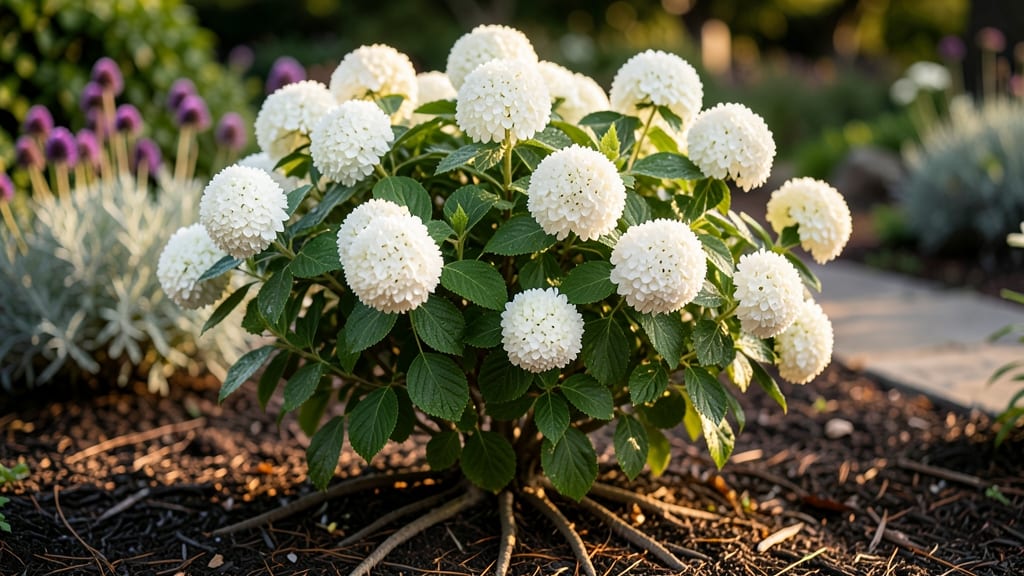
Your snowball shrub bush could be covered in cloud-like white blooms all season long—if you prune it right. 🌿 I’ve turned my once-sparse Viburnum opulus into a lush, flowering powerhouse by mastering just three seasonal trims, and the secret isn’t complicated: timing and technique.
The key is working with the plant’s natural growth cycle. Early spring trims shape the structure, summer pruning keeps it tidy, and winter cuts remove dead wood—each step builds on the last. My bush now bursts with those iconic snowball clusters from late spring through summer, with occasional late-season interest.
You’ll end up with a bush that’s denser, healthier, and more productive than store-bought alternatives. The best part? It thrives in zones 2-7, so whether you’re in a cold northern climate or a mild southern one, this method works.
Here’s how to get started—no fancy tools or years of experience required.
📚 In This Guide
- What you need
- Instructions
- Tips and common mistakes
- Wrapping up and next steps
What you need
- ● Pruning shears: Bypass shears (sharp, clean, and disinfected with rubbing alcohol or bleach). Pro tip: 💡 Invest in felco-style shears ($20–$40) for precision cuts.
- ● Loppers: For thicker branches (½"–1" diameter). Look for bypass loppers with a 6–8" cutting range.
- ● Gloves: Heavy-duty gardening gloves (waterproof, with reinforced palms) to protect from thorns and debris.
- ○ Pruning saw: Optional but handy for stubborn, woody branches (>1" thick). A bow saw or pruning saw works best.
- ● Disinfectant: 1 part bleach to 9 parts water (or 70% isopropyl alcohol) to sterilize tools between cuts.
- ● Rag or paper towels: For wiping down tools and cleaning sap/resin.
- ● Hand pruners: For delicate trimming of small stems (great for shaping).
- ● Ladder or step stool: If your shrub is tall (>6 ft), a stable foldable ladder ensures safe access.
- ● Mulch: Shredded bark or compost to replenish soil after pruning (apply within 24 hours).
- ○ Plant food: Balanced 10-10-10 fertilizer (optional post-pruning boost for new growth).
- ● Trash bags: Heavy-duty bags (13-gallon) for hauling debris—your snowball shrub sheds a lot!
- ● Weather: Prune on a dry, overcast day (avoid midday sun to reduce stress on the plant).
- ● Timing: Know your shrub’s blooming cycle—snowball viburnum blooms on old wood, so time pruning carefully!
- ● Safety first: Wear closed-toe shoes and avoid pruning near power lines.
How to prune a snowball shrub for continuous seasonal blooms
Here's the method I've used for years to keep my snowball bushes flowering reliably from spring through fall.
✂️ Step 1: Early Spring Cleanup (Late February to Early March)
Start by removing all dead, diseased, or crossing branches first—these compete with healthy growth. I cut back to the first outward-facing bud below the damage, which encourages outward growth rather than inward. This is the most critical trim because it sets up the season's structure.
Next, thin out any overcrowded branches by selecting 2-3 of the strongest stems per cluster and removing the rest at their base. You'll see new shoots emerging from the base within weeks—that's your signal the plant is responding well. Avoid heavy pruning now; just shape lightly to remove obvious flaws.
☀️ Step 2: Summer Pruning (June to Early July)
After the first flush of blooms fades, give your shrub a light haircut to maintain its shape. I focus on removing spent flower clusters by cutting back to the nearest leaf node—this prevents seed formation and redirects energy into new growth. Never cut into old wood; always prune just above a leaf bud.
Look for branches growing toward the center of the plant and thin these out completely. The goal is to improve airflow, which reduces fungal diseases like powdery mildew. You'll notice fresh green growth appearing within days of this trim—this is the plant's way of telling you it's happy with the new space.
✂️ Step 3: Late Summer to Early Fall Renewal (August to September)
This is the time to rejuvenate your shrub for next year's blooms. Cut back about one-third of the oldest stems to the ground—select branches that are thicker than a pencil. I always choose the ones that haven't produced many flowers recently. The plant will send up vigorous new shoots from the base in spring.
Shape the remaining branches by shortening them by half if they've become too leggy. Make cuts just above an outward-facing bud to maintain an open, airy structure. You'll see fresh growth appearing within weeks, and these new stems will carry next year's flowers.
⏰ Step 4: Winter Preparation (November to December)
After the first hard frost, give your snowball shrub one final inspection. Remove any remaining dead or broken branches, and cut back any new growth that appeared late in the season—these tender shoots won't survive winter. I also clean up all fallen leaves and debris from around the base to prevent disease overwintering.
Apply a 2-3 inch layer of mulch around the base (but not touching the trunk) to protect roots from freeze-thaw cycles. This is the time to step back and admire your work—the careful pruning you've done throughout the year will pay off with a spectacular spring display.
Tips & tricks for perfect snowball shrub pruning
These pro-level insights will help you transform your snowball shrub into a year-round blooming powerhouse—without the guesswork.
Timing is Everything: The late February to early March window for Step 1 is critical because that's when your shrub begins its active growth cycle. If you prune too early, you risk damaging dormant buds; too late, and you'll cut back new growth that's just starting. I've learned this the hard way after seeing spring blooms delayed for weeks—trust the calendar, not just the weather!
Bud Selection Matters: When making cuts in Steps 1, 2, and 3, always look for outward-facing buds. These encourage the plant to grow outward rather than inward, creating that beautiful rounded shape we all love. I use a magnifying glass to inspect buds when in doubt—it's worth the investment for perfect pruning. The difference between a shrub that looks full and one that's just dense is often just a few degrees in bud angle.
Airflow Strategy: In Step 2's summer pruning, don't just focus on removing spent blooms—actively hunt for branches growing toward the center. I've found that even a single branch growing inward can create a microclimate that traps moisture and promotes fungal growth. After thinning, I always run my hand through the center to check for any remaining tight spots that might need adjustment.
Mulch Depth Precision: That 2-3 inch layer in Step 4 isn't just arbitrary—it's the Goldilocks zone for root protection. Too little mulch leaves roots vulnerable to temperature swings, while too much can suffocate the base. I use a ruler to check depth annually, and I always make sure to create a slight mound around the base to help with water runoff during heavy rains.
Pro Tips for Snowball Shrub Bush
- These pro-level insights will help you transform your snowball shrub into a year-round blooming powerhouse—without th...
- Timing is Everything: The late February to early March window for Step 1 is critical because that's when your shrub b...
- Bud Selection Matters: When making cuts in Steps 1, 2, and 3, always look for outward-facing buds. These encourage th...
Frequently asked questions
Got questions about keeping your snowball shrub bush (Viburnum opulus) thriving with those iconic white blooms? Here are answers to the most common ones—so you can prune like a pro!
When is the best time to prune my snowball shrub?
The ideal time is late winter or early spring (just before new growth starts), but you can also trim lightly after blooming to shape it. Avoid heavy pruning in fall—it removes next year’s flower buds! For year-round blooms, follow the 3-season trim schedule in this guide.
Why aren’t my snowball shrubs flowering as much as they used to?
Overgrown branches or pruning at the wrong time (like cutting back after blooming) are top culprits. Snowball shrubs bloom on old wood, so avoid hard pruning in late summer/fall. Thin out crowded branches instead—aim for an open center for airflow and light.
Can I grow a snowball shrub in a container? How does pruning differ?
Yes! Just choose a large pot (15+ gallons) with drainage and a well-draining soil mix. Prune more frequently (every 6–8 weeks) to control size, and repot every 2–3 years. Container shrubs need winter protection (move indoors or wrap roots in burlap) in zones below 5.
What should I do if my snowball shrub’s leaves turn brown or curl?
Brown/curling leaves often signal overwatering, pests (like spider mites), or fungal issues. Check soil moisture (it should be evenly damp, not soggy) and inspect undersides of leaves. Treat pests with neem oil, and prune affected branches 1/3 of the way back to encourage new growth.
Are there dwarf varieties of snowball shrubs that need less pruning?
Try ‘Compactum’ (3–4 ft tall) or ‘Roseum’ (4–5 ft)—they’re perfect for small gardens. These varieties still bloom on old wood but require minimal shaping. Just remove dead wood in late winter and trim lightly after flowering to maintain their tidy form.
Wrapping up and next steps
Pruning your snowball shrub bush isn’t just about keeping it tidy—it’s the secret to year-round beauty! 🌸 By mastering the three seasonal trims (spring, summer, and post-bloom), you’ll encourage lush growth, vibrant flowers, and a well-shaped shrub that steals the show.
Whether you’re a pruning pro or just starting, these steps make it simple and rewarding.
Ready to transform your garden? Grab your shears, follow the tips, and give your snowball shrub the care it deserves. Next up: Watch it thrive with confidence—and maybe even share your success with fellow gardening enthusiasts! 🌿✨