
Pruning
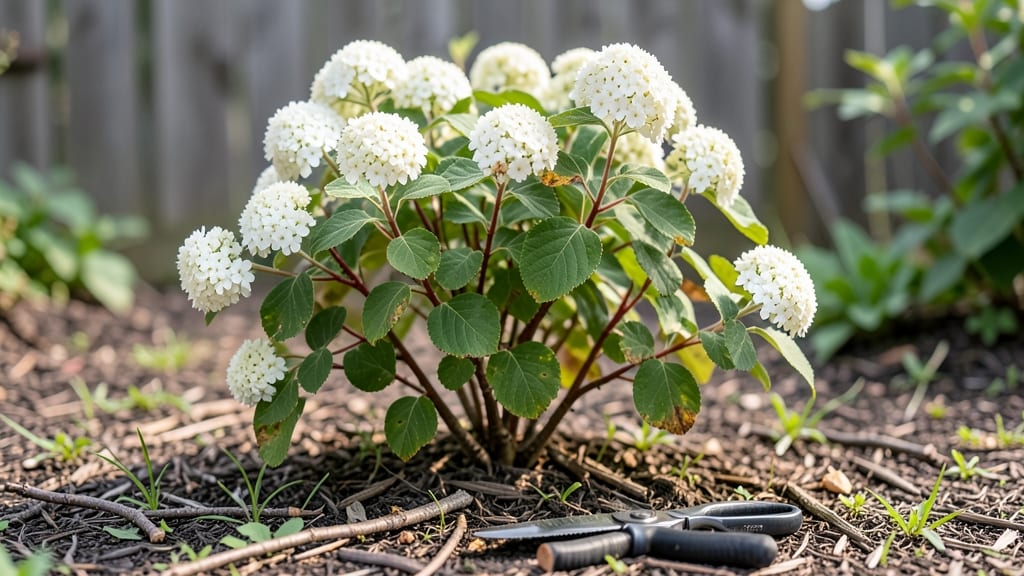
Pruning snowball shrubs transforms them from scraggly to showstopping every season. 🌿 I’ve spent years perfecting the timing and technique—because one wrong cut can mean fewer blooms next spring. The key isn’t just when to prune, but how to shape the shrub so it stays lush and productive for decades.
You’ll need sharp pruners, gloves, and a clear day when the shrub isn’t actively flowering. The best time to prune is right after the blooms fade in late spring, but light shaping in winter keeps the form tidy.
Focus on removing dead wood first, then thinning crowded branches to let air and light reach the center.
After pruning, your shrub will reward you with thicker stems, more abundant blooms, and a shape that’s easier to maintain. The secret? Cut just above a bud or leaf node, and always prune at a slight angle to prevent water from pooling.
Within weeks, you’ll see fresh growth filling in any gaps.
This method works for both young shrubs and established plants, though mature ones may need gradual reshaping over a few years. The payoff? A snowball shrub that stays healthy, blooms like crazy, and becomes the centerpiece of your garden year after year.
📚 In This Guide
- What you need
- Instructions
- Tips and common mistakes
- Wrapping up and next steps
What you need
- ● Bypass pruners (sharp, high-quality) – for clean cuts on small to medium stems (up to ½ inch thick)
- ● Loppers (long-handled, 8–12 inches) – for thicker branches (½ to 1½ inches)
- ● Pruning saw (curved blade, 8–10 inches) – for stubborn, woody stems (1½+ inches)
- ● Garden gloves (cut-resistant, durable) – protects hands from thorns and rough bark
- ● Disinfectant (70% isopropyl alcohol or pruning sealant) – sterilizes tools between cuts to prevent disease
- ● 5-gallon bucket or trash bag – for collecting pruned debris
- ● Rake or broom – clears fallen leaves/debris from the work area
- ● Measuring tape or ruler – for precise branch length adjustments
- ○ Sharpie or permanent marker – marks branches for future reference (optional but helpful!)
- ● Hand pruners with a bypass blade – for intricate detailing on delicate stems
- ● Extension pole saw – reaches high branches safely (6+ feet tall shrubs)
- ● Pruning shears with anvil blade – for quick cuts on small branches (use sparingly—can crush stems)
- ● Garden hose or spray bottle – keeps tools clean and dust-free between cuts
- ● Safety glasses – protects eyes from debris, especially when using a saw
- ● Pruning paint or wound dressing – seals large cuts (1+ inch) to prevent disease (controversial—skip if unsure!)
Step-by-step guide to pruning snowball shrubs for perfect shape
Here’s the method I use to keep my snowball shrubs looking lush and healthy all year.
✂️ Step 1: Prune Immediately After Flowering
Timing is everything with snowball shrubs. Once the flower clusters fade and turn brown, that’s your cue to prune. I always wait until after blooming because these shrubs set next year’s buds on old wood—cutting too early removes next season’s flowers. Use sharp pruning shears to make clean cuts just above a leaf node or outward-facing bud.
Remove about one-third of the oldest stems right at the base. These are the woody branches that no longer produce vibrant blooms. You’ll see them as thicker, less flexible stems compared to the newer growth. This rejuvenates the shrub and encourages fresh, flowering branches to develop.
✂️ Step 2: Thin Out Crowded Branches
Next, focus on the interior of the shrub. Snowball shrubs naturally grow dense, but too many branches rubbing together can lead to disease. Look for branches that cross or grow inward—they’ll compete for sunlight and air circulation. Cut these back to the main stem or a strong side branch.
I like to step back every few cuts to check the shape. You want an open, vase-like form that lets light reach the center. If you see leggy branches reaching outward, trim them back by about one-third of their length. This keeps the shrub compact and encourages bushier growth.
✂️ Step 3: Shape the Outer Canopy
Now for the finishing touches. Snowball shrubs respond well to light shaping, but don’t overdo it. Start by trimming any branches that spoil the round shape—these are usually the ones growing upward or outward too aggressively. Cut just above a leaf node to encourage new growth in the right direction.
For a fuller look, you can lightly pinch back the tips of some branches. This encourages branching at the ends, giving the shrub a more lush, rounded appearance. Avoid heavy pruning here—just a few strategic cuts will make all the difference. Step back again to check your work from all angles.
✂️ Step 4: Clean Up and Maintain Year-Round
After pruning, remove all the clippings from the area to prevent disease. I like to rake up any fallen leaves or debris around the base of the shrub, too. This keeps the area clean and reduces the risk of fungal issues.
Throughout the year, do light maintenance pruning to keep the shape in check. In late winter or early spring, before new growth starts, you can trim any dead or damaged branches. Avoid heavy pruning during this time—just focus on removing anything that looks unhealthy or out of place.
⏰ Step 5: Fertilize and Water for Recovery
Once pruning is done, give your snowball shrub a boost to recover. Water deeply to help it establish new growth, especially if you’ve done a lot of cutting. I also add a slow-release fertilizer around the base to support the shrub as it heals and prepares for next season’s blooms.
Keep an eye on the shrub over the next few weeks. You’ll see new growth emerging from the pruned areas, and the branches will start to fill out again. This is a sign that your pruning was successful. With proper care, your snowball shrub will reward you with even more stunning blooms next year.
Tips & tricks for perfect snowball shrub pruning
Here's what nobody tells you about pruning snowball shrubs that'll make all the difference in keeping them healthy and beautiful.
Timing is Everything: The key to pruning snowball shrubs is knowing when to do it. Wait until after the flower clusters fade and turn brown—never prune before blooming! These shrubs set next year's buds on old wood, so cutting too early removes next season's flowers. I've learned this the hard way after seeing blooms disappear for a whole season. Mark your calendar right after the flowers fade to remember your pruning window.
Tool Tip: Invest in a good pair of bypass pruning shears—these make clean cuts that heal faster than jagged cuts from dull tools. I also like to keep a small pair of hand pruners for those hard-to-reach branches. Always sterilize your tools with rubbing alcohol between cuts to prevent spreading disease from one part of the shrub to another. This simple step can save your shrub from fungal infections.
Shape Matters: When shaping the outer canopy in Step 3, think of your shrub as a rounded dome. The goal is to maintain that classic snowball shape while encouraging new growth. I step back every few cuts to visualize the overall form—this helps me spot branches that are spoiling the symmetry. For a fuller look, lightly pinch back the tips of some branches, but avoid heavy pruning here. You want to encourage branching without stressing the plant.
Recovery Strategy: After pruning, give your snowball shrub a recovery boost. Water deeply—about 1-2 gallons per shrub—to help it establish new growth, especially if you've done significant cutting. I also add a slow-release fertilizer around the base to support healing. Keep an eye on the shrub over the next few weeks. You'll notice new growth emerging from the pruned areas, which is a sign that your pruning was successful. This extra care ensures your shrub will reward you with even more stunning blooms next year.
Pro Tips for Snowball Shrub Pruning
- Here's what nobody tells you about pruning snowball shrubs that'll make all the difference in keeping them healthy and beautiful.
- Timing is Everything: The key to pruning snowball shrubs is knowing when to do it.
- Tool Tip: Invest in a good pair of bypass pruning shears—these make clean cuts that heal faster than jagged cuts from dull tools.
Frequently asked questions
Got questions about keeping your snowball shrub looking its best? You’re not alone! Here are some of the most common queries—plus expert answers to keep your pruning game sharp.
When is the best time to prune a snowball shrub?
The ideal window is late winter or early spring (before buds swell), but you can also prune lightly after flowering to shape. Avoid heavy pruning in fall—it reduces winter hardiness. For rejuvenation pruning, cut back ⅓ of old stems in stages over 2–3 years for a fresh start!
How much can I trim back a snowball shrub without harming it?
Healthy snowball shrubs tolerate up to ⅓ of their growth removed per year. For mature shrubs, avoid cutting more than ⅓ of the oldest stems at once—this can stress the plant. Younger shrubs handle light shaping better. If over-pruned, expect slower regrowth or fewer blooms next season.
Why isn’t my snowball shrub blooming after pruning?
Snowball shrubs bloom on old wood, so heavy spring pruning (after buds form) can reduce flowers. Prune right after flowering to maintain shape without sacrificing blooms. If you see no new growth, check for pests (like spider mites) or root issues—sometimes pruning reveals hidden problems!
Can I prune a snowball shrub in summer?
Yes! Light summer pruning (after blooms fade) helps maintain shape and encourages new growth. Avoid heavy cuts—focus on deadheading spent flowers and trimming leggy branches. Summer pruning also reduces disease risk by improving airflow. Just avoid pruning in extreme heat (above 90°F).
What’s the difference between pruning and rejuvenating a snowball shrub?
Regular pruning
keeps shape and health, while rejuvenation pruning is a reset for overgrown shrubs. For rejuvenation:
- Cut back ⅓ of oldest stems to the ground each year for 3 years.
- Focus on younger, vigorous branches to stimulate new growth.
- Use sterilized tools to prevent disease spread.
Wrapping up and next steps
Pruning your snowball shrub doesn’t have to be a daunting task—it’s all about timing, technique, and a little love for your garden! 🌿 With the right tools and knowledge, you’ll keep your shrub flourishing year-round, blooming beautifully and staying healthy.
The key takeaway? Regular, strategic pruning in early spring and after flowering ensures lush growth and stunning displays.
Now that you’re armed with the secrets, grab those shears and get pruning! Start with a fresh trim this spring, and soon, your snowball shrub will be the star of your landscape. Need a refresher? Bookmark this guide or share it with fellow gardening enthusiasts—happy pruning! ✂️🌸