
Shrubs
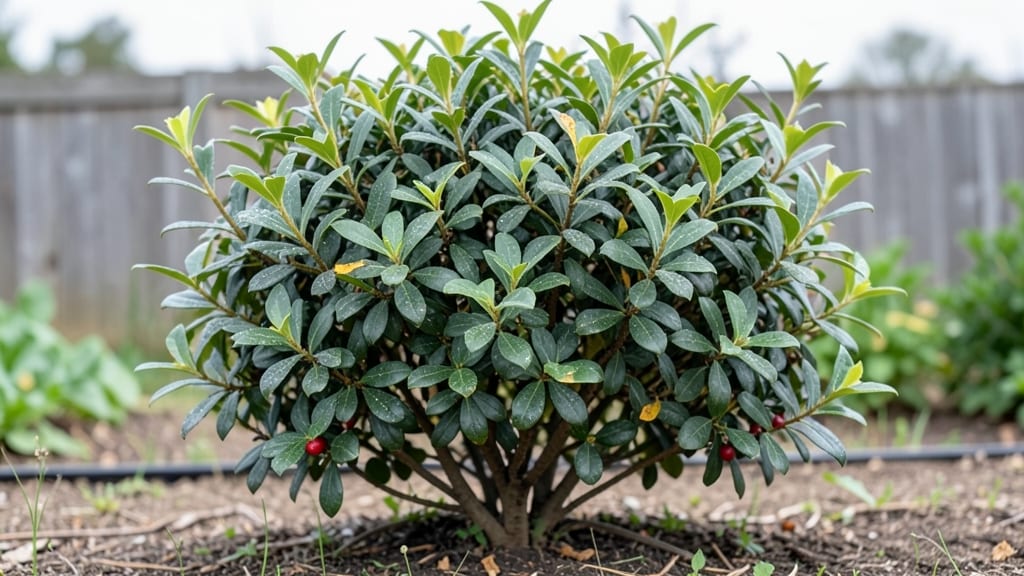
Even the hardiest Soft Touch holly shrubs can hit a snag—here are the most common soft touch holly shrub problems I’ve fixed in my own yard, and how to turn them around before they spiral. 🌿 it’s about spotting the early warning signs before they spiral.
Whether it’s yellowing leaves, sparse berries, or branches that look like they’ve been through a drought, these four steps will get them perking up again.
The first mistake most gardeners make is assuming all holly problems are the same. Overwatering? That’s a silent killer—roots need air, not a swamp. Too much shade? Holly thrives on sunlight, but direct afternoon sun can scorch leaves.
And don’t even get me started on pests like spider mites or scale insects—they’ll suck the life out of branches faster than you can say “holly berry shortage.” The good news? Each issue has a fix, and most of them are simpler than you’d think.
By the time you’re done, your shrubs will be standing tall with glossy leaves and berries that last through winter. The key is acting fast—once branches start wilting, it’s a race against time.
We’ll cover how to diagnose the problem, what tools you’ll need (spoiler: most are things you already have), and exactly how to revive those branches without resorting to harsh chemicals. Trust me, your holly will thank you.
This works for both in-ground shrubs and container-grown hollies, so no matter where your Soft Touch is planted, these steps will bring it back to life. Let’s get those branches standing straight again—your yard’s curb appeal depends on it.
Root Causes Behind Holly Weakness
Understanding why your soft touch holly shrub develops wilted or mushy branches starts with identifying the hidden stressors at play. Holly shrubs (Ilex spp.) are tough, but they’re not immune to environmental and biological pressures.
Let’s break down the key culprits—and why they turn your once-vibrant plant into a sad, droopy mess.
Holly shrubs thrive in well-drained soil, but when roots sit in soggy conditions, they suffocate. Here’s what’s really happening:
- Root Rot Fungus (Phytophthora spp.) 🍄 Excess moisture creates the perfect breeding ground for fungal pathogens. These microbes clog root cells, blocking water and nutrient uptake. Symptoms? Yellowing leaves, stunted growth, and—you guessed it—soft, mushy stems that feel unusually squishy when pressed.
- Compacted or Clay-Heavy Soil 🏗️ If your holly’s soil is like a brick after rain, water pools instead of draining. Roots can’t breathe, leading to anaerobic conditions (low oxygen). Without oxygen, roots starve, and the shrub’s vascular system collapses, causing branches to wilt.
- Overzealous Watering 💦 Even well-drained soil can fail if you’re watering too frequently. Holly shrubs in containers or sandy soil may need less water than you think. Overwatering triggers cellular breakdown in stems, making them soft to the touch and prone to snapping.
💡 Pro Tip: Stick your finger 2 inches into the soil—if it’s damp, wait. If it’s bone-dry, water deeply but only once a week (adjust for climate).
Holly shrubs are resilient, but extreme conditions can push them past their limits. Here’s how:
- Heat and Drought Stress 🔥 When temperatures soar above 90°F (32°C), holly leaves transpire (lose water) faster than roots can absorb it. Cells plasmolyze (shrink from water loss), causing wilting and softening of branches. The tips may also brown and die back.
- Frost or Freeze Damage ❄️ Holly shrubs are semi-evergreen, meaning they keep some leaves year-round. A hard freeze (below 20°F/-7°C) can crush cells, leading to blackened, mushy stems and drooping branches. Young growth is especially vulnerable.
- Wind Burn or Physical Trauma 🌪️ Strong winds desiccate (dry out) leaves and bruise stems, creating entry points for pathogens. If branches are soft and spongy, check for wind-scoured areas—they’re prime spots for bacterial or fungal infections to take hold.
✨ Quick Fix: Mulch around the base to insulate roots and reduce temperature swings. For wind exposure, stake young shrubs or plant them in a sheltered spot.
Not all softness is due to water—hidden invaders can turn your holly into a biological disaster zone.
- Holly Leaf Miner (Phytomyza ilicis) 🐛 These tiny larvae tunnel through leaves, causing yellowing, wilting, and softening of affected branches. Heavy infestations weaken the shrub’s structure, making stems floppy and prone to breakage.
- Bacterial Leaf Spot (Pseudomonas syringae) 🦠 This bacterium infects through wounds (like pruning cuts or wind damage) and clogs plant vessels, restricting water flow. Infected branches may oozes a milky sap and feel soft, waterlogged when pressed.
- Root-Knot Nematodes (Meloidogyne spp.) 🐟 Microscopic worms pierce roots, causing galls (lumpy growths) that disrupt nutrient transport. The shrub can’t support upright branches, leading to drooping and mushy stems.
🎯 Prevention: Inspect new plants for pests or lesions. Use copper fungicides for bacterial issues and nematicides (like marigolds as a trap crop) for nematodes.
Holly shrubs need balanced nutrition—when they’re starved, branches lose structural integrity.
- Potassium Deficiency (K) 🥔 Potassium regulates water movement in plants. Without enough, cells can’t hold moisture, leading to wilting and soft stems. Look for yellowing leaf edges (a classic K deficiency sign).
- Calcium and Magnesium Imbalance 🧂 These minerals strengthen cell walls. A deficiency causes blossom-end rot in stems (black, mushy tips) and weak, floppy branches. Soil pH above 7.0 often locks out calcium—holly prefers slightly acidic soil (pH 5.5–6.5).
- Nitrogen Overload 💥 Too much nitrogen promotes leafy growth at the expense of sturdy stems. Branches may grow fast but weak, leading to soft, floppy tips that snap easily.
📊 Fix It: Test your soil and amend with:
- Potassium sulfate (for K deficiency)
- Gypsum (for calcium)
- Epsom salt (for magnesium)
- Balanced 10-10-10 fertilizer (to avoid nitrogen burnout)
How to solve it
Reviving your Soft Touch holly shrub starts with pinpointing the root cause—and then taking action. Below, we’ve mapped out practical fixes for each common issue, from fungal infections to environmental stress, plus prevention tips to keep your shrub thriving. Let’s get your holly back to its lush, vibrant self!
Fix It:
- 🔥 Prune the Problem Areas Remove all infected leaves, stems, or branches with clean, sharp pruners. Dispose of them in the trash—not your compost bin—to prevent reinfection. Focus on:
- Yellowing or brown patches with white powder (powdery mildew).
- Dark spots with yellow halos (leaf spot).
- 🍳 Apply Fungicide Use a copper-based fungicide or a neem oil solution (1 tsp neem oil + 1 quart water + a drop of dish soap) to spray the shrub thoroughly.
Reapply every 7–10 days until new growth appears. For severe cases, opt for a systemic fungicide like Myclobutanil.
- 🌡️ Improve Airflow & Light
- Thin out dense foliage to allow sunlight to reach the center.
- Avoid overcrowding with other plants.
- Space mulch 3–4 inches away from the stem to reduce humidity.
💡 Prevention Tips:
- Water early in the morning (before 10 AM) to let foliage dry quickly.
- Space plants 3–5 feet apart for better airflow.
- Choose resistant varieties like Ilex × ‘Nellie R. Stevens’ if fungal issues are recurrent.
Fix It:
- 👨🍳 Adjust Watering Habits
- Deep watering 1–2 times per week (1–1.5 inches of water per session) is better than daily shallow watering.
- Mulch heavily (2–3 inches of shredded bark or pine straw) to retain moisture and regulate soil temperature.
- 🌿 Provide Afternoon Shade If your holly is in a hot, sunny spot, add temporary shade with a lightweight fabric shade cloth (30–50% coverage) during peak summer hours (12 PM–4 PM).
- ⏰ Gradual Acclimation If moving a potted holly to a sunnier spot, harden it off over 2 weeks by exposing it to increasing sunlight daily.
💡 Prevention Tips:
- Plant holly in partial shade (4–6 hours of sun) for optimal health.
- Use drip irrigation to deliver water directly to the roots.
- Group holly with other shade-tolerant plants to create a microclimate.
Fix It:
- 🔪 Blast Off Pests
- Spider mites: Spray with a strong jet of water to knock them off, then apply insecticidal soap or horticultural oil.
- Scale insects: Scrape off visible bumps with a soft brush dipped in rubbing alcohol (70% isopropyl).
- Leafminers: Remove heavily infested leaves and treat with Bacillus thuringiensis (Bt) or spinosad.
- 🍎 Introduce Beneficial Insects Release ladybugs or lacewings (available at garden centers) to prey on mites and aphids naturally.
- 🌡️ Monitor & Retreat Check the undersides of leaves weekly for new pests. Repeat treatments every 5–7 days until pests are gone.
💡 Prevention Tips:
- Encourage natural predators by planting dill, fennel, or yarrow nearby.
- Avoid over-fertilizing with nitrogen, which attracts soft-bodied pests.
- Inspect new plants before bringing them home—quarantine for 2 weeks if possible.
Fix It:
- 🌿 Protect Young or Mature Holly
- Wrap the shrub in burlap or frost cloth during hard freezes (below 20°F).
- Mulch heavily (4–6 inches) around the base to insulate roots.
- 💦 Hydrate Before Freeze Water the shrub deeply 1–2 weeks before the first frost to ensure roots are hydrated. Avoid watering before a hard freeze, as wet foliage can crack under ice.
- 🔪 Prune Damaged Branches In early spring, trim back any blackened, mushy, or brittle branches. Sterilize pruners with rubbing alcohol to prevent disease spread.
💡 Prevention Tips:
- Choose cold-hardy varieties like Ilex × ‘Blue Princess’ (Zone 5) or Ilex opaca (Zone 7–9).
- Avoid late-season fertilizing, which encourages tender new growth vulnerable to frost.
- Group holly with evergreens to create a windbreak.
Fix It:
- 📊 Test Your Soil Use a home soil test kit to check pH and nutrient levels. Holly prefers acidic soil (pH 5.0–6.0).
- 💪 Fertilize Correctly
- Spring: Apply a slow-release, acidic fertilizer (e.g., 10-10-10 or 8-3-9) in early spring.
- Fall: Use a high-phosphorus fertilizer (e.g., 5-10-10) to encourage root growth.
- For yellow leaves (iron deficiency): Sprinkle iron sulfate or chelated iron around the base.
- 🥗 Amend the Soil Mix peat moss or composted pine needles into the top 6 inches of soil to lower pH naturally.
💡 Prevention Tips:
- Mulch annually with pine bark or oak leaves to maintain acidity.
- Avoid lime or wood ash, which raise pH and worsen deficiencies.
- Water after fertilizing to prevent root burn.
Frequently asked questions about soft touch holly shrub care
Why do my Soft Touch holly branches feel soft or mushy?
Soft, mushy branches usually signal root rot (from overwatering or poor drainage) or fungal/bacterial infections. Check for yellowing leaves, blackened stems, or milky sap—these are red flags. Start by adjusting watering habits and improving soil drainage immediately.
Can I save my holly if the stems are already soft and drooping?
Yes, but act fast! Prune all infected/damaged branches with clean tools, then treat with copper fungicide or neem oil. For root rot, improve drainage by adding organic matter (like compost) and reduce watering to once weekly until recovery. Patience is key—new growth may take 4–6 weeks.
What pests target Soft Touch hollies and how do I spot them?
Watch for scale insects (bumpy brown spots), spider mites (fine webbing), and leaf miners (blotchy tunnels in leaves). Scrape off scale with rubbing alcohol, spray mites with insecticidal soap, and remove heavily infested leaves. Introduce ladybugs for natural pest control.
How do I prevent winter damage to my Soft Touch holly?
Protect against frost by mulching deeply (4–6 inches) and wrapping young shrubs in burlap. Avoid late-season fertilizing, which encourages tender growth. Water deeply before the first freeze to hydrate roots, but stop once hard frost arrives.
Why are my holly berries dropping early?
Early berry drop often signals stress—check for underwatering, nutrient deficiencies (like potassium), or pest damage. Ensure your holly gets partial shade and balanced fertilizer (e.g., 10-10-10) in spring. Mulch to retain moisture and reduce temperature swings.