
Vegetables
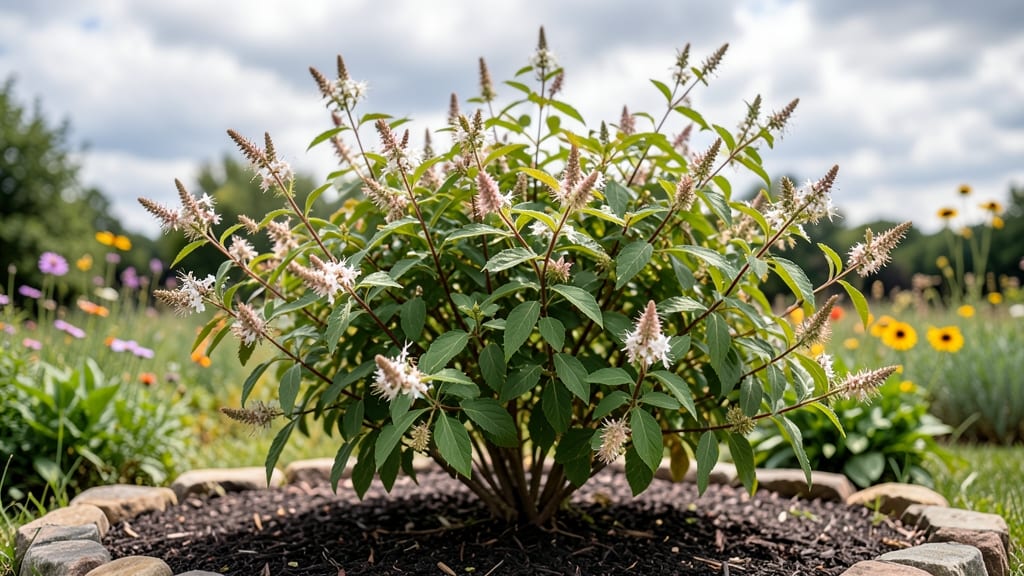
Your summersweet clethra shrub’s fragrant revival starts with a sharp pair of pruners in late winter. ✂️ I’ve watched these shrubs go from ragged winter skeletons to lush, honey-scented bloomers by following just a few key steps—timing, technique, and a little extra protection when frost lingers.
The secret isn’t complicated: prune 2-3 weeks before new growth starts (usually late February to early March in most zones), cutting back one-third of last year’s growth to encourage fresh, vigorous stems.
This isn’t about shaping—it’s about opening the plant up to sunlight and air, which prevents fungal issues and boosts spring blooms. Mulch heavily with 3-4 inches of shredded bark right after pruning to insulate roots from late frosts.
A light frost cloth over young shoots in unexpected cold snaps can save tender new growth, and watch for clethra scale—those waxy bumps mean a winter spray of horticultural oil is in order.
You’ll see bright green shoots by April, followed by those signature summer blooms that perfume the garden. The key is acting before the plant wakes up—so grab those pruners while it’s still dormant!
📚 In This Guide
- What you need
- Instructions
- Tips and common mistakes
- Wrapping up and next steps
What you need
- ● Pruning shears or loppers – Choose bypass pruners (for clean cuts) or loppers (for thicker branches, ½"–1" diameter). Quantity: 1 pair (or 2 if shrub is large).
- ● Garden gloves – Wear cut-resistant, breathable gloves (e.g., leather or synthetic blend) to protect hands from thorns and sap. Quantity: 1 pair.
- ● Disinfectant (70% isopropyl alcohol or bleach solution) – 1 part bleach to 9 parts water to sterilize tools and prevent disease spread. Quantity: Small spray bottle or wipe.
- ● Heavy-duty trash bags or compost bin – For removing pruned branches. Quantity: 2–3 bags (adjust based on shrub size).
- ○ Pruning saw (optional but helpful) – For thick, woody stems (>1" diameter). Quantity: 1 (if needed).
- ● Hand lens or magnifying glass – To inspect buds and detect pests/diseases up close.
- ● Sharpie or pruning sealant – Mark branches to avoid over-pruning or seal large cuts (if shrub is young or stressed).
- ● Mulch (pine straw or shredded bark) – 2–3 inches to protect roots post-pruning (apply after cleaning up).
- ● Garden journal – To note pruning dates, branch counts, or observations for future reference. ✨
Step-by-Step guide to late-winter pruning for summersweet clethra
Here’s how to revive your fragrant shrub with precise late-winter cuts—just before new growth begins.
⏰ Step 1: Time Your Pruning for Peak Revival
Prune your summersweet clethra in late winter, ideally 4-6 weeks before your last frost date. This timing ensures you remove dead wood while avoiding early spring growth that could be damaged by late frosts. I aim for mid-to-late February in my zone 6 garden, when days are still cold but buds are swelling slightly.
Watch for tight, plump buds along the stems—that’s your cue. If you see leaves unfurling or soft new growth, you’ve waited too long. Cold snaps after pruning can stress fresh cuts, so avoid pruning if a hard freeze is forecast within 72 hours.
✂️ Step 2: Remove Dead, Diseased, or Weak Wood
Start by cutting out any dead, broken, or diseased branches at their base with clean, sharp pruners. Summersweet clethra is forgiving, but removing these first prevents pests and disease from spreading to healthy growth. Look for branches that are hollow, discolored, or lacking buds—these won’t produce flowers or foliage.
Next, thin out crossing or rubbing branches that create wounds. These often develop where stems intersect or press against each other. Cut back to the outermost bud on the branch you’re keeping, making a 45-degree angle just above it. This encourages outward growth and keeps the shrub’s natural shape.
🌿 Step 3: Shape for Airflow and Flower Production
Summersweet clethra blooms on current season’s growth, so focus on light shaping rather than heavy cutting. Aim to open up the center of the shrub by 10-20% to improve airflow and sunlight penetration. This reduces humidity buildup, which can lead to fungal issues like powdery mildew.
Use your pruners to shorten overlong branches by one-third to encourage bushier growth. Cut just above an outward-facing bud to promote a fuller, more compact shape. Avoid cutting into old wood—summersweet clethra rarely flowers on wood older than 2-3 years.
💧 Step 4: Clean Up and Protect New Growth
After pruning, sterilize your tools with rubbing alcohol to prevent spreading disease. Rake up and dispose of all clippings—don’t compost them if they show signs of disease. Then, water the base of the shrub deeply to help it recover from the stress of pruning.
Apply a 2-3 inch layer of mulch (like shredded bark or pine needles) around the shrub’s base, keeping it 3-4 inches away from the trunk. This insulates roots from late-winter temperature swings and retains moisture. Avoid piling mulch too high—it can suffocate the plant and attract pests.
☀️ Step 5: Monitor for New Growth and Adjust
Within 2-3 weeks, you should see new buds swelling or tender green shoots emerging. If growth stalls or looks weak, apply a balanced fertilizer (like 10-10-10) in early spring to encourage robust foliage and flower production. Summersweet clethra thrives in full sun to part shade, so ensure it gets at least 4-6 hours of sunlight daily for optimal blooming.
If you notice yellowing leaves or stunted growth, it could signal over-fertilization or root stress. In that case, reduce watering and let the soil dry slightly between waterings. Your shrub should rebound beautifully with fragrant white blooms by late summer—just reward for a little late-winter care!
Tips & tricks for perfect late-winter pruning of summersweet clethra
These simple strategies will help you avoid common mistakes and maximize your shrub's revival after pruning.
Timing is Everything: The 4-6 week window before your last frost date is critical—this ensures your clethra has time to heal before spring growth begins. I check my local frost forecast and mark my calendar for mid-February in zone 6. If you're unsure about your frost date, err on the earlier side of this window. Remember, those tight plump buds are your visual cue, not just the calendar.
Tool Prep Makes All the Difference: Before you even touch your shrub, sterilize your pruners with rubbing alcohol—the instructions mention this, but I can't emphasize enough how important it is. Diseased branches can harbor pathogens that spread to healthy wood. Also, make sure your pruners are sharp! Dull blades crush stems instead of making clean cuts, which invites infection. I keep a small bottle of rubbing alcohol and my pruners in my gardening toolbox for quick sterilization between cuts.
Visual Cues for Perfect Cuts: When shaping your shrub in Step 3, look for those outward-facing buds—they're your guide to maintaining the natural shape. I like to imagine drawing an invisible line from the center of the shrub outward when making cuts. This creates that beautiful rounded shape while encouraging new growth in the right direction. For those one-third reductions on overlong branches, think of it as creating a more compact, bushier plant rather than just making it shorter.
Mulch Application Strategy: That 2-3 inch layer of mulch isn't just decorative—it's insulation for your plant's roots. I like to use shredded bark because it breaks down slowly and improves soil structure over time. The key is keeping it 3-4 inches away from the trunk to prevent rot. After applying, I give the mulch a gentle pat down to settle it and create a more even layer. This helps maintain consistent moisture levels and protects against late-winter temperature swings.
Pro Tips for Summersweet Clethra Shrub In Winter
- These simple strategies will help you avoid common mistakes and maximize your shrub's revival after pruning.
- Timing is Everything: The 4-6 week window before your last frost date is critical—this ensures your clethra has time to heal before spring growth begins.
- Tool Prep Makes All the Difference: Before you even touch your shrub, sterilize your pruners with rubbing alcohol—the instructions mention this, but I can't emphasize enough how important it is.
Frequently asked questions
Got questions about keeping your summersweet clethra shrub thriving through winter and beyond? Here are some of the most common concerns—and their answers—to help you prep like a pro!
Does summersweet clethra lose its leaves in winter?
Yes! Summersweet clethra (Clethra alnifolia) is a deciduous shrub, meaning it naturally sheds its leaves in late fall to conserve energy. Don’t worry—this is normal and healthy. The shrub enters dormancy, and fresh foliage (and fragrant blooms!) will return in spring. Pro tip: Mulch around the base with 2–3 inches of organic material (like shredded bark) to protect roots from freezing temps.
When is the best time to prune summersweet clethra in late winter?
The ideal window is late February to early March, just as new growth begins to swell but before buds break. This timing encourages vigorous spring blooms while avoiding late-season cold snaps that could damage tender new shoots. Troubleshooting: If your area has unpredictable winters, wait until after the last frost date to play it safe.
How should I prune summersweet clethra for winter?
Focus on three key steps:
- Remove dead/diseased wood: Cut back any blackened, mushy, or hollow stems at the base with clean, sharp shears.
- Thin out crowded branches: Aim for an open vase shape—prune 1/3 of the oldest stems to the ground to rejuvenate growth.
- Avoid heavy pruning: Never trim more than 25% of the shrub’s total volume in one season.
What if my summersweet clethra looks sad in winter?
Winter dormancy can make shrubs appear lifeless, but here’s how to tell if it’s normal vs. concerning:
- Normal: Bare branches, brown stems, or curled leaves (all signs of dormancy).
- Concerning: Mushy stems, oozing sap, or large patches of dead bark—these could signal disease or pest damage (like scale insects).
If you spot issues, prune out affected areas in late winter and monitor for pests in spring. Prevention tip: Water deeply in fall to harden off the shrub before winter.
Are there alternatives to summersweet clethra for fragrant winter interest?
If summersweet isn’t your style, consider these fragrant, cold-hardy shrubs for year-round appeal:
- Wintergreen (Gaultheria procumbens) – Low-growing, evergreen, and aromatic when crushed.
- Sweetbox (Osmanthus) – Evergreen with tiny, fragrant white flowers (blooms in late winter!).
- Daphne (Daphne odorata) – Delicate winter blooms (needs well-drained soil).
- Boxwood (Buxus) – Evergreen, low-maintenance, and pest-resistant.
Note: Most alternatives require full sun to partial shade and consistent moisture—check your zone’s hardiness before planting!
Wrapping up and next steps
With a little late-winter TLC, your summersweet clethra shrub can burst back to life with vibrant blooms and that signature fragrance. 🌿 Pruning now ensures a healthier plant while keeping its natural charm intact—plus, you’ll reward yourself with a fragrant summer oasis.
Ready to take action? Grab your pruners and head outside—your shrub (and future butterfly visitors!) will thank you.