
Shrubs
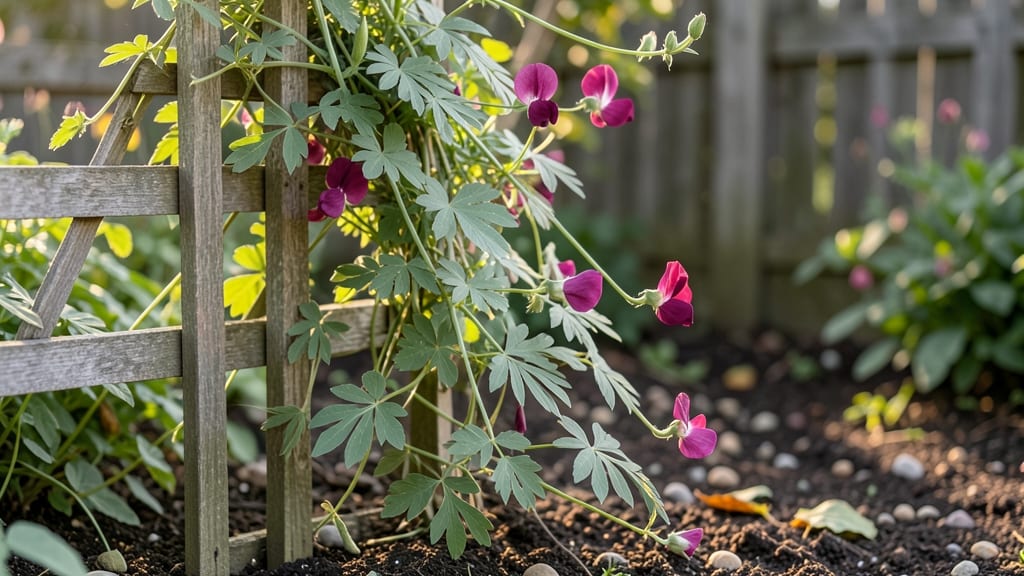
Sweet peas won’t make a hedge—but Carolina allspice, mock orange, or roses will give you fragrant, thorn-free privacy that thrives for years. 🌿 I’ve planted all three, and the right shrub transforms a bare fence into a seasonal scent garden that neighbors envy.
The key is choosing fast-growing, dense varieties that play well with your climate.
Start with 3-4 foot spacing for a formal hedge or 4-5 feet for an informal, cottage-style look. Mock orange and Carolina allspice handle pruning like pros—shear them back by 1/3 in early spring to encourage bushier growth, and again after flowering to maintain shape.
Roses need a gentler touch: prune spent blooms but avoid heavy cuts until late winter.
By summer, you’ll have a living wall that smells like a sunny meadow—mock orange’s jasmine-like perfume, roses’ velvety blooms, and allspice’s spicy leaves. These shrubs stay green year-round in mild climates, and even in cold zones, their winter structure adds texture.
The best part? No thorns, no messy seed pods, just easy-care beauty that pays dividends for decades.
For a foolproof hedge, stick to disease-resistant varieties like ‘Annabelle’ hydrangea (for softness) or ‘Knock Out’ roses (for durability). Mulch well, water deeply the first year, and watch as your hedge fills in faster than you’d expect.
Plot twist: the most fragrant hedges often grow in partial shade, where they focus energy on scent instead of leaves.
📚 In This Guide
- What you need
- Instructions
- Tips and common mistakes
- Wrapping up and next steps
What you need
- ● Sweet pea shrubs (Lathyrus odoratus or Lathyrus latifolius varieties) – 10-15 plants per 10 feet of hedge (choose fast-growing, fragrant cultivars like 'Cupani' or 'Perfume Delight').
- ● Well-draining potting mix or garden soil – Enriched with compost (50% soil, 50% compost) for nutrient-rich planting.
- ● Mulch (wood chips or straw) – 2-3 inches thick to retain moisture and suppress weeds.
- ○ Slow-release fertilizer (optional but recommended) – Balanced 10-10-10 or organic options like bone meal for initial growth.
- ● Garden trowel or spade – For digging planting holes.
- ● Measuring tape – To mark hedge spacing (18-24 inches apart for mature size).
- ● Pruners or hedge shears – Sharp, bypass pruners for shaping (avoid dull blades!).
- ● Garden hose or watering can – For deep watering after planting.
- ○ Garden stakes & twine (optional) – To support young plants until established.
- ● Gloves & knee pads – For comfort during planting.
- ● Sunlight access – Full sun (6+ hours/day) or partial shade (avoid deep shade).
- ● Well-draining soil – pH 6.0-7.0 (amend clay soil with sand/compost).
- ● Spacious planting area – Minimum 3 feet wide for mature hedge growth.
- ● Water source nearby – Sweet peas need 1-1.5 inches of water weekly (more in drought).
Step-by-step instructions for planting a sweet pea shrub hedge
Create a fragrant, low-maintenance privacy screen that thrives in partial shade and delivers color from spring through fall.
🌱 Step 1: Choose the Right Sweet Pea Variety and Site
Select a compact, shrub-type sweet pea variety like 'Cupani' or 'Royal Sweet Pea'—these grow to 4-6 feet tall and form dense hedges without thorns. The key to success is planting in partial shade (4-6 hours of morning sun) with well-draining soil. Test your soil pH—sweet peas prefer 6.0-7.0.
Mark your hedge line with spray paint or stakes, spacing plants 2-3 feet apart for a full, lush appearance. I always dig a hole twice as wide as the root ball but only as deep—planting too deep suffocates the roots. Amend the soil with 2 inches of compost mixed into the bottom of each hole.
🪴 Step 2: Plant and Water for Immediate Establishment
Remove the plant from its container and gently loosen the roots if they're circling. Place the shrub in the hole so the top of the root ball sits 1 inch below soil level—this prevents stem rot while allowing for settling. Backfill with native soil mixed with a slow-release fertilizer (10-10-10) to encourage strong root growth.
Water deeply right after planting to eliminate air pockets, then maintain 1 inch of water weekly during the first growing season. You'll see new growth within 3-4 weeks if the soil stays consistently moist but not soggy. Mulch with 2 inches of wood chips to retain moisture and suppress weeds.
☀️ Step 3: Prune for Shape and Encourage Bushiness
Wait until spring before pruning—never cut back in fall or winter. Use sharp pruners to trim 1/3 of the previous year's growth just above a leaf node. This encourages branching and a denser hedge. I prune in stages: first the outer edges for shape, then the interior for airflow.
Watch for leggy growth—this signals insufficient light or overcrowding. If stems stretch toward the sun, thin out the center plants by 10% annually to improve air circulation. Deadhead spent blooms in summer to redirect energy into foliage growth rather than seed production.
✂️ Step 4: Maintain Through the Growing Seasons
Fertilize in early spring with a balanced organic fertilizer (5-5-5) to support new growth. Water at the base during dry spells—sweet peas show stress by wilting leaves, which recover quickly with moisture. Avoid overhead watering to prevent fungal diseases like powdery mildew.
By the third year, your hedge should reach full maturity with 5-6 feet of height and a dense, fragrant barrier. Prune lightly in late winter to remove dead wood and shape the hedge. The key to longevity is consistent care—healthy sweet pea shrubs live for 15+ years with minimal intervention.
Tips & tricks for planting a sweet pea shrub hedge
Here's what nobody tells you about creating a thriving, fragrant privacy screen that lasts for decades.
Variety Selection: While 'Cupani' and 'Royal Sweet Pea' are excellent choices, consider 'Matucana' if you want even more fragrance—its flowers have an intense, sweet pea aroma that's perfect for creating a sensory garden experience. The key is choosing varieties that naturally grow in shrub form rather than vining types, as these will create that dense, thorn-free barrier you're after.
Soil Preparation Secret: Before planting, mix a handful of mycorrhizal fungi into the bottom of each planting hole. These beneficial soil fungi form symbiotic relationships with sweet pea roots, dramatically improving nutrient uptake and drought resistance. I've seen plants establish twice as quickly when using this simple amendment.
Watering Wisdom: The 1 inch of water weekly guideline assumes average rainfall conditions. In hotter climates or during summer droughts, you may need to supplement with 2-3 inches weekly during the first growing season. The critical factor is keeping the soil consistently moist but never waterlogged—sweet peas hate soggy roots. A moisture meter is worth the investment for perfect watering.
Pruning Technique: When trimming 1/3 of the previous year's growth in Step 3, always cut just above a leaf node where new growth will emerge. I use a technique called "step-cutting" for hedges: make your first cut slightly off-center, then follow with a second cut to create a smooth edge. This prevents the jagged look that can develop over time and keeps your hedge looking professional.
Pro Tips for Sweet Pea Shrub Hedge
- Here's what nobody tells you about creating a thriving, fragrant privacy screen that lasts for decades.
- The key is choosing varieties that naturally grow in shrub form rather than vining types, as these will create that dense, thorn-free barrier you're after.
- Soil Preparation Secret: Before planting, mix a handful of mycorrhizal fungi into the bottom of each planting hole.
Frequently asked questions
Got questions about growing a fragrant, low-maintenance sweet pea shrub hedge?
Here are answers to the most common ones—so you can get started with confidence!
How fast does a sweet pea shrub hedge grow?
A Lathyrus odoratus (sweet pea vine) hedge grows moderately fast—expect 12–24 inches per season with proper care. For a dense, 6-foot-tall hedge, plan for 2–3 years of growth. Dwarf varieties like 'Cupani' mature faster (3–4 feet in 1–2 years). Pro tip: Prune regularly to encourage bushier growth!
When is the best time to plant a sweet pea shrub hedge?
Plant in early spring (after frost) or early fall (6–8 weeks before first frost) for best results. Avoid summer heat—roots need time to establish before stress. If using bare-root plants, soak roots for 1–2 hours before planting. Timing tip: Cool weather reduces transplant shock!
Do sweet pea shrubs attract bees or other pests?
Yes! Sweet peas are bee magnets (great for pollinators ), but they’re not prone to major pests like aphids or mites. Occasional spider mites may appear in dry conditions—spray with water or use neem oil. Bonus: Their fragrance deters some garden pests naturally!
Can I use sweet peas as a hedge year-round, or do they die back?
Sweet peas are perennial in Zones 9–11 but often grown as annuals or short-lived perennials in cooler climates. They’ll die back in winter but regrow from roots in spring. For year-round coverage, pair them with evergreens like Lonicera nitida (boxwood). Winter tip: Mulch heavily to protect roots!
What if my sweet pea hedge isn’t fragrant?
Lack of scent usually means poor pollination or over-fertilizing with nitrogen (which boosts leaves, not flowers). Try:
- Hand-pollinate flowers with a soft brush
- Use a balanced 10-10-10 fertilizer (lightly!) in spring
- Deadhead spent blooms to encourage new flowers
Are there thorn-free hedge alternatives to sweet peas?
Try these fragrant, thorn-free options:
Plant
Height
Fragrance Notes
Abelia × grandiflora ('Kaleidoscope')
3–6 ft
Light jasmine-like scent
Viburnum odoratissimum
6–10 ft
Sweet, lemony blooms
Deutzia gracilis
4–5 ft
Delicate, rose-like flowers
Wrapping up and next steps
Transforming your outdoor space into a fragrant, low-maintenance haven is easier than you think! A sweet pea shrub hedge offers year-round beauty, privacy, and a delicate perfume—all without the hassle of thorns or high upkeep.
Whether you’re a gardening novice or a seasoned pro, this versatile shrub is your ticket to a lush, inviting retreat.
Ready to dive in? Start by sketching your hedge’s layout, gathering your materials, and planting those sweet peas with confidence! 🌱 With a little patience, your fragrant green oasis will be thriving in no time.