
Landscaping
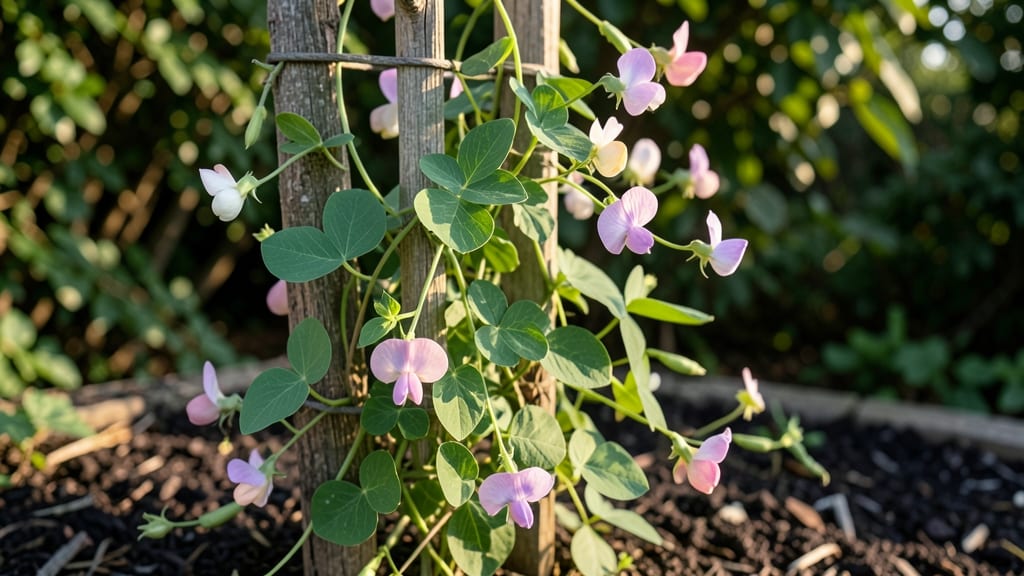
Sweet pea shrub landscapes transform dull borders into climbing perfection that steals the show. 🌿 I used to think sweet peas were just for cottage gardens—until I trained them over shrubs and created a vertical masterpiece that blooms from spring to frost.
The key? Pairing them with the right shrubs and trellis designs for a lush, layered look that works in any yard.
Start with compact shrubs like hydrangeas or abelia—their mounded shapes provide perfect support while letting sweet peas cascade down in waves of purple, pink, or white.
Add a sturdy trellis or obelisk near the base to give vines something sturdy to cling to, and watch your shrub borders explode with fragrant, textured drama. The combination creates height, color, and seasonal interest without taking up extra ground space.
By midsummer, you’ll have a living tapestry of blooms that attracts bees and butterflies while keeping your shrubs looking fuller than ever. The sweet peas even extend the blooming season—plant early varieties for spring color and late ones for fall.
It’s the perfect way to add romance and structure to any landscape.
Works for small city yards, rural borders, or even container gardens with dwarf shrubs. Let’s make your shrubs the star of the show—without the usual fuss.
📚 In This Guide
- What you need
- Instructions
- Tips and common mistakes
- Wrapping up and next steps
What you need
- ● Sweet Pea Shrubs (Lathyrus odoratus) – 3–5 healthy plants (choose climbing varieties for best results).
- ● Trellis or Arbor Structure – 6–10 ft tall, sturdy (wood, metal, or PVC).
- ● Well-Draining Potting Mix – 5–10 gallons (blend of peat, perlite, and compost).
- ● Organic Fertilizer – Slow-release (10-10-10 NPK ratio) or compost tea.
- ○ Mulch (Optional but Recommended) – 2–3 inches of shredded bark or straw.
- ● Trowel or hand shovel
- ● Garden gloves (for protection)
- ● Pruning shears (sharp, sterilized)
- ● Watering can or hose with nozzle (gentle spray setting)
- ● Measuring tape (for spacing plants)
- ● Stakes or twine (to secure young vines)
- ● Sunlight – 6+ hours of direct sun daily (partial shade in hot climates).
- ● Water Access – Consistent moisture (1–2 inches per week).
- ● Support Structure – Installed before planting (ensure stability!).
- ○ Soil Test (Optional) – Check pH (6.0–7.0 ideal) and amend if needed.
Step-by-step guide to creating a sweet pea shrub landscape
Transform your vertical space with fragrant, climbing sweet peas that add drama and texture to any garden.
🌱 Step 1: Select and Prepare Your Sweet Pea Varieties
Choose perennial sweet pea shrubs like Lathyrus odoratus or Lathyrus latifolius for lasting vertical interest. I like to mix early, mid, and late-blooming varieties to ensure continuous color from spring through summer. For example, 'Cupani' for early blooms, 'Blue Bird' for mid-season, and 'Spencer' for late flowers.
Soak seeds overnight in lukewarm water to soften the hard outer shell—this speeds up germination. Plant seeds ½ inch deep in well-draining soil. If using established shrubs, select 1-2 year old plants with sturdy stems and healthy foliage. Avoid leggy or root-bound specimens, as they struggle to adapt.
☀️ Step 2: Choose and Prepare Support Structures
Sweet peas thrive when trained vertically, so install strong trellises, arbors, or obelisks before planting. For shrub landscapes, I use metal or wooden trellis panels (at least 6 feet tall) positioned 3-4 feet apart to create a lush, interconnected display. Secure structures firmly into the ground to handle the plant’s weight as it grows.
If using existing shrubs, gently weave stems through the trellis as you plant to encourage upward growth. Avoid tying vines too tightly—use soft plant ties and adjust as the stems thicken. This prevents damage and allows natural flexibility, which sweet peas need to climb effectively.
💧 Step 3: Plant and Water for Strong Establishment
Dig holes twice as wide as the root ball but no deeper. Mix the excavated soil with compost to improve drainage and fertility. Place each shrub so the top of the root ball sits level with the soil surface—burying too deep can suffocate roots, while planting too high leaves them unstable.
Water deeply immediately after planting to settle the soil and eliminate air pockets. Keep the soil evenly moist (not soggy) for the first 2-3 weeks, as sweet peas establish roots. Mulch around the base with 2-3 inches of organic mulch (like shredded bark) to retain moisture and suppress weeds. Avoid piling mulch against stems, which can cause rot.
🌿 Step 4: Train and Maintain for Climbing Perfection
As new growth appears, guide vines upward along the trellis using soft ties or twine. Prune spent flowers regularly to encourage more blooms—this is called deadheading, and it keeps the plant focused on producing new flowers instead of seed pods. I like to pinch back tips of leggy growth in early summer to promote bushier, fuller shrubs.
Fertilize lightly every 4-6 weeks during the growing season with a balanced, water-soluble fertilizer (like 10-10-10). Too much nitrogen makes sweet peas produce lush foliage but few flowers. Watch for powdery mildew on leaves—if you see white spots, spray with neem oil and improve air circulation around the plants.
✂️ Step 5: Prune and Prepare for Next Season
In early fall, cut back wilted or damaged stems to the base. For perennial varieties, leave a few strong stems to regrow in spring—this helps the shrub recover and establishes a sturdy base for next year’s growth. If your sweet peas are annuals, remove all stems after the first frost to keep the area tidy.
Before winter, add a 2-inch layer of mulch around the base to insulate roots. In early spring, prune again to remove dead wood and shape the shrub. Sweet peas respond well to pruning, so don’t hesitate to trim back overgrown areas—this encourages denser, more vibrant regrowth and keeps the landscape looking polished.
Tips & tricks for perfect sweet pea shrub landscapes
Sweet peas might seem delicate, but with these pro tips, they'll become the star of your vertical garden.
Variety Mixing: The secret to non-stop blooms is planting a mix of early, mid, and late varieties. I've found that 'Cupani' (early) paired with 'Blue Bird' (mid) and 'Spencer' (late) creates a continuous floral display from late spring through summer. This layered approach ensures you're never without color—just like having a built-in floral calendar!
Seed Soaking Strategy: Don't skip the overnight soak in lukewarm water for those hard-shelled sweet pea seeds. This simple step can double your germination rate by softening the tough outer coating. I like to use a bowl of water with a bit of honey (just a teaspoon) to deter mold while soaking—it's a trick I picked up from gardeners who swear by it.
Trellis Placement: Position your trellis panels 3-4 feet apart to create that lush, interconnected look. Here's a pro move: install them slightly angled (about 5-10 degrees) rather than perfectly vertical. This encourages vines to grow outward slightly, creating a more natural, cascading effect that looks absolutely stunning when fully grown.
Pruning Precision: When deadheading spent flowers, don't just snip at the base—cut just above the first set of leaves where the flower stem meets the main vine. This encourages stronger regrowth from that node. And for that early summer pinch-back, aim to remove about 1/3 of the leggiest growth to promote bushier shrubs that'll produce more flowers throughout the season.
Pro Tips for Sweet Pea Shrub Landscape
- Sweet peas might seem delicate, but with these pro tips, they'll become the star of your vertical garden.
- Variety Mixing: The secret to non-stop blooms is planting a mix of early, mid, and late varieties.
- Seed Soaking Strategy: Don't skip the overnight soak in lukewarm water for those hard-shelled sweet pea seeds.
Frequently asked questions
Got questions about transforming your space with sweet pea shrubs? You're not alone! Here are some of the most common queries—plus straightforward answers to help you grow confidently.
How long does it take for sweet pea shrubs to climb and flower?
With proper care, sweet pea shrubs (or Lathyrus odoratus) can start climbing within 4-6 weeks after planting. However, expect vibrant blooms 6-10 weeks later, depending on your climate and variety. Pro tip: Train young vines early with gentle ties to trellises for faster growth!
Can sweet pea shrubs survive winter in cold climates?
Sweet pea shrubs are annuals in most regions, so they won’t survive winter outdoors. However, if you’re growing perennial varieties like Lathyrus latifolius (everlasting pea), they can tolerate USDA Zones 4-8 with mulch protection. For tender climbers, replant seeds each spring!
What’s the best alternative if sweet peas struggle in my garden?
If your soil or climate isn’t sweet pea-friendly, try these climbing alternatives:
- Clematis: Thrives in partial shade, blooms prolifically.
- Honeysuckle: Fragrant, drought-tolerant, and attracts pollinators.
- Jasmine: Evergreen in warm zones, perfect for fragrant trellises.
- Morning Glory: Fast-growing annual for quick vertical color.
Each offers unique textures and colors—pick based on your light and space!
Why aren’t my sweet pea vines growing? Troubleshooting tips.
Slow or stunted growth often stems from:
- Poor drainage: Sweet peas hate soggy roots—amend soil with compost or use raised beds.
- Lack of support: Vines need a strong trellis (like a pyramid or fence) to climb.
- Nutrient deficiency: Feed with a balanced fertilizer (10-10-10) when leaves appear.
- Pests: Watch for aphids or slugs—spray with neem oil if needed.
Give them 6+ hours of sun and consistent watering for best results!
When is the ideal time to plant sweet pea seeds?
For spring blooms, sow seeds 4-6 weeks before your last frost (or start indoors 8-10 weeks prior). If you love fall fragrance, plant seeds in late summer (they’ll bloom until frost!). Sweet peas hate transplanting, so direct-sow for happier vines.
Wrapping up and next steps
Transforming your space with a sweet pea shrub landscape isn’t just about adding beauty—it’s about creating a vibrant, fragrant vertical garden that turns heads and lifts spirits! 🌸 From choosing the right varieties to mastering pruning and companion planting, every step brings you closer to a lush, thriving display.
Whether you’re a seasoned gardener or a curious beginner, the key is patience and passion.
Ready to take the next step? Start small—plant a single trellis or a small section of your garden—and let your sweet pea shrubs grow into a stunning masterpiece.
Before you know it, your vertical garden will be the envy of the neighborhood! Grab your gloves, and let’s grow something amazing together.