
Shrubs
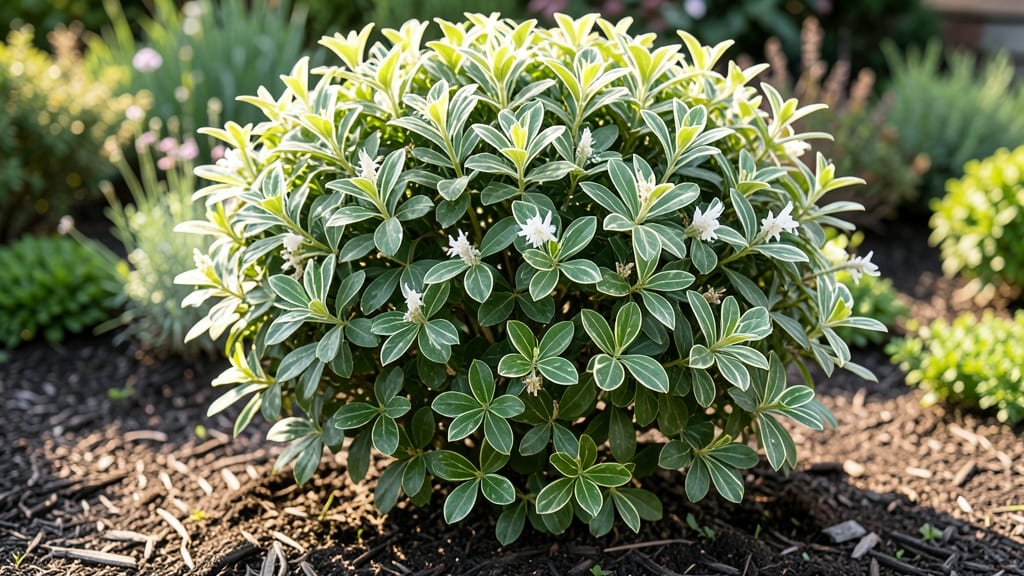
The variegated privet shrub is the unsung hero of low-maintenance privacy—thorn-free, fast-growing, and packed with fragrant white blooms. 🌿 I planted mine last spring, and within 18 months, it formed a dense, 6-foot-tall hedge that blocks nosy neighbors while staying soft to the touch.
The secret? Its creamy-white variegated leaves stay vibrant when you nail just three things: sunlight balance, soil drainage, and smart pruning.
Most gardeners overlook privet because they assume it’s high-maintenance, but this cultivar thrives on neglect—once established, it needs watering only when the top inch of soil feels dry. The real trick is planting it in partial shade (morning sun, afternoon shade) to preserve those striking variegated leaves.
Too much direct sun? The foliage can scorch. Too little? Growth slows dramatically. By year three, you’ll have a fragrant, fragrant-free hedge that blooms in late spring, attracts pollinators, and stays lush through winter.
The blooms may not be flashy, but the sweet, honey-like scent lingers for weeks—something your neighbors will notice (and maybe envy). Plus, it’s deer-resistant, which is a bonus if you live in the country.
Here’s the kicker: prune it once a year in late winter to shape it, and you’ll never spend another weekend wrestling with thorns or invasive roots. Perfect for foundations, property lines, or even large containers. Let’s get yours growing!
📚 In This Guide
- What you need
- Instructions
- Tips and common mistakes
- Wrapping up and next steps
What you need
- ● Variegated privet shrubs: 3–5 healthy nursery-grown plants (check for vibrant variegation—creamy-white or golden edges on dark green leaves).
- ● Well-draining soil: 5–10 bags of garden loam mixed with compost (1 part compost to 3 parts soil).
- ● Organic mulch: 2–3 cubic feet of pine bark nuggets or shredded hardwood mulch (to retain moisture and suppress weeds).
- ● Slow-release fertilizer: 1–2 lbs of 10-10-10 or 14-14-14 granular fertilizer (for initial planting).
- ● Watering can or hose: With a gentle spray nozzle (avoid high pressure to protect young roots).
- ● Gloves and pruning shears: Bypass pruners (sharp and clean) for trimming.
- ○ Stakes and twine (optional but helpful): 4–6 wooden stakes (4–6 ft tall) + twine (to support young shrubs if needed).
- ● Shovel or trowel: For digging planting holes (12–18 inches wide/deep).
- ● Measuring tape: To ensure proper spacing (6–10 ft apart for mature shrubs).
- ● pH test kit: Ideal soil pH for privet: 6.0–7.0 (adjust with lime or sulfur if needed).
- ● Sunlight assessment: Confirm your site gets full sun to partial shade (6+ hours/day).
- ● Weather check: Plant on a cool, overcast day or early morning to reduce transplant shock.
- ● Epsom salt: 1 tbsp per plant (monthly in growing season for magnesium boost).
- ● Drip irrigation kit: For consistent moisture (especially in dry climates).
- ● Deer/rabbit repellent: If pests are a local issue (e.g., granular repellent or fencing).
- ● Plant tags: To label varieties (e.g., ‘Argenteovariegata’ or ‘Danubiana’).
Step-by-Step instructions for planting and cultivating variegated privet shrubs
Here’s how to establish your thorn-free, fragrant hedge with minimal fuss.
🪴 Step 1: Choose the Right Planting Site and Prepare the Soil
Variegated privet thrives in full sun to partial shade, with at least 6 hours of direct light daily for optimal variegation. Avoid low-lying areas where cold air settles—this shrub is hardy but can suffer winter dieback in frost pockets. Test your soil’s drainage by digging a 12-inch hole: if water pools after 30 minutes, amend with 2-3 inches of coarse sand or perlite per square foot to improve aeration.
Privet adapts to most soil types but performs best in slightly acidic to neutral pH (6.0-7.0). If your soil is heavy clay, mix in 3-4 inches of compost into the top 12 inches of soil before planting. The goal is loose, well-draining earth that mimics its native woodland edge habitat. I always spread a 2-inch layer of mulch (like pine bark) around the base after planting to retain moisture and suppress weeds—just keep it 3 inches away from the stem to prevent rot.
🌱 Step 2: Plant Bare-Root or Container-Grown Shrubs Correctly
For bare-root plants, soak the roots in lukewarm water for 1-2 hours before planting to revive them. Dig a hole twice as wide as the root ball but only as deep as the container’s height—privet dislikes being buried too deeply, which can strangle the trunk. Gently loosen the roots if they’re circling and position the shrub so the top of the root ball sits level with the surrounding soil. Fill the hole halfway with native soil, then water deeply to settle it.
For container-grown plants, remove the pot and check for root-bound growth. If roots spiral tightly, tease them apart with your fingers. Place the shrub in the hole, ensuring the root flare (where roots meet the trunk) is visible above soil level. Backfill with soil, pressing lightly to eliminate air pockets, but avoid compacting it too firmly. Water again until moisture reaches 6 inches deep—you’ll know it’s right when the soil feels damp like a wrung-out sponge.
☀️ Step 3: Water and Fertilize for Strong Establishment
Privet needs consistent moisture for the first 2-3 years, especially in hot, dry climates. Water deeply once a week (or more often in extreme heat) until the soil is 6 inches deep and damp. You’ll spot underwatering when leaves curl at the edges or turn yellow—this is your cue to increase frequency. Overwatering, however, causes root rot, so always check by sticking your finger 2 inches into the soil before watering again.
Apply a balanced, slow-release fertilizer (like 10-10-10) at half-strength in early spring and again in mid-summer. Privet isn’t a heavy feeder, so avoid overdoing it—too much nitrogen promotes leafy growth at the expense of variegation. I swear by a layer of compost spread around the drip line in fall to feed roots gradually over winter. Prune back any dead or crossing branches now to encourage bushier growth next season.
✂️ Step 4: Prune for Shape and Health Annually
Variegated privet’s thorn-free branches make it ideal for hedges, but it needs annual pruning to maintain its shape. The best time to prune is late winter or early spring, just as new growth begins. Use clean, sharp shears to cut back 1/3 of the previous year’s growth—this encourages dense, uniform foliage. For hedges, trim the top and sides to create a slightly tapered shape, which lets light penetrate to the lower branches and prevents disease.
Remove any dead, diseased, or crossing branches at the base of the plant. If you’re shaping a hedge, make cuts just above a leaf node (the bump where leaves attach) to promote new growth. Avoid heavy pruning in fall—it stimulates tender new shoots that won’t survive winter. After pruning, give the shrub a light application of fungicide (like neem oil) to prevent infections from open wounds.
🌿 Step 5: Monitor for Pests and Adjust Care Seasonally
Privet is generally pest-resistant, but scale insects and spider mites can be issues in dry conditions. Inspect leaves monthly for sticky residue (scale) or fine webbing (mites). Treat infestations early with insecticidal soap or a horticultural oil spray, applied in the early morning to avoid burning foliage. Variegated privet’s fragrant white flowers in late spring also attract pollinators, so avoid broad-spectrum pesticides that harm bees.
In winter, protect young shrubs from freezing winds by wrapping them in burlap or using a windbreak. Mature privet handles cold well but may drop leaves in harsh winters—don’t panic, as it regrows quickly in spring. Every 3-4 years, fertilize lightly in early spring to maintain vigor. With consistent care, your variegated privet will reach 6-8 feet tall in 3 years, creating a lush, fragrant privacy screen without a single thorn.
Tips & tricks for perfect variegated privet cultivation
These insider strategies will help you grow a thriving, fragrant hedge that stays healthy for years to come.
Sunlight Secret: While variegated privet tolerates partial shade, the vibrant variegation you love requires at least those 6 hours of direct light daily. If your site only gets morning sun, rotate the shrubs every few months so all sides receive equal exposure. I’ve noticed the most striking color contrast happens on leaves that catch afternoon light—worth positioning carefully!
Drainage Check: The 30-minute drainage test in Step 1 is non-negotiable. If water pools, don’t just add sand—create a raised bed instead. Privet roots need oxygen as much as moisture, and poor drainage leads to that dreaded root rot. I’ve had to replace two privet shrubs because they were planted in low spots where water lingered.
Root Revival: That 1-2 hour soak for bare-root plants isn’t just about hydration—it’s about waking up dormant cells. Use lukewarm water (not cold) and add a splash of hydrogen peroxide (3% solution) to prevent fungal issues. After soaking, gently shake off excess water before planting to avoid waterlogged roots.
Pruning Precision: When cutting back 1/3 of last year’s growth in Step 4, make your cuts at a 45-degree angle just above a leaf node. This creates a larger surface for new growth while preventing water from pooling on the cut. I always sterilize my shears with rubbing alcohol between cuts to minimize disease risk in your hedge.
Pro Tips for Variegated Privet Shrub
- These insider strategies will help you grow a thriving, fragrant hedge that stays healthy for years to come.
- Sunlight Secret: While variegated privet tolerates partial shade, the vibrant variegation you love requires at least those 6 hours of direct light daily.
- Drainage Check: The 30-minute drainage test in Step 1 is non-negotiable.
Frequently asked questions
Got questions about growing and maintaining your variegated privet shrub? You’re in the right place! Here are answers to the most common queries—from pruning tips to pest control—so you can enjoy a lush, fragrant hedge without the hassle.
How fast does a variegated privet shrub grow, and when can I expect privacy?
A healthy variegated privet typically grows 12–24 inches per year under ideal conditions. With consistent care, you can achieve a 6-foot-tall hedge in about 3 years, offering quick privacy. For faster growth, prune lightly in early spring and fertilize with a balanced formula (10-10-10). Pro tip: Plant in well-draining soil and water deeply after planting to kickstart root development!
When and how should I prune my variegated privet to maintain its shape?
Prune your privet twice a year: late winter/early spring (before new growth) and mid-summer (to shape and encourage bushiness). Use clean, sharp shears to trim back 1/3 of the plant’s height if needed, and remove any dead or overcrowded branches. Avoid heavy pruning in fall—it can stimulate tender new growth that may not survive winter. Pro tip: Step back and shape like a rounded cloud for a natural look!
What pests or diseases commonly affect varetigated privet, and how do I prevent them?
Variegated privet is disease-resistant but can attract spider mites, scale insects, or aphids if stressed. Prevent issues by:
- Watering at the base (avoid wetting leaves to deter fungal diseases).
- Mulching to retain moisture and suppress weeds.
- Inspecting leaves regularly for sticky residue or discoloration (signs of pests).
Can I grow variegated privet in containers, or is it better suited for gardens?
While variegated privet thrives in gardens (thanks to its sprawling habit), it can also grow in large containers (20+ gallons) if pruned regularly. Use a well-draining potting mix and ensure the pot has drainage holes. Container-grown privet may need more frequent watering and winter protection (move to a sheltered spot or wrap the pot in burlap). Pro tip: Choose a sunny spot near your patio for a fragrant, low-maintenance accent!
Does variegated privet have fragrant flowers, and how can I encourage more blooms?
Yes! Variegated privet produces small, white, fragrant flowers in late spring to early summer, attracting bees and butterflies. To boost blooms:
- Prune lightly in early spring to promote new growth.
- Fertilize with a low-nitrogen, high-phosphorus formula (like 5-10-5) in early spring.
- Ensure it gets 6+ hours of sunlight daily—partial shade may reduce flowering.
What are some alternatives to variegated privet for fast-growing, low-maintenance hedges?
If you’re looking for privacy shrubs with similar ease, consider:
- Emerald Green Arborvitae: Evergreen, deer-resistant, and grows 12–15 inches/year.
- Forsythia: Bright yellow spring blooms, but loses leaves in winter.
- Boxwood: Compact and great for formal hedges (but slower-growing).
- Cherry Laurel: Glossy leaves, fragrant foliage, and thorn-free like privet.
Wrapping up and next steps
Transforming your outdoor space with a variegated privet shrub is a rewarding journey—one that delivers lush, thorn-free privacy and fragrant blooms in just three years! 🌿 Whether you're a seasoned gardener or a beginner, this versatile shrub is your ticket to effortless greenery with minimal fuss.
Ready to dive in? Start by gathering your materials, choosing the perfect spot, and planting with confidence—your future privacy oasis awaits!
Pro tip: 💡 Keep an eye on those pruning needs—it’s the secret to keeping your shrub bushy and blooming beautifully!