
Blooming
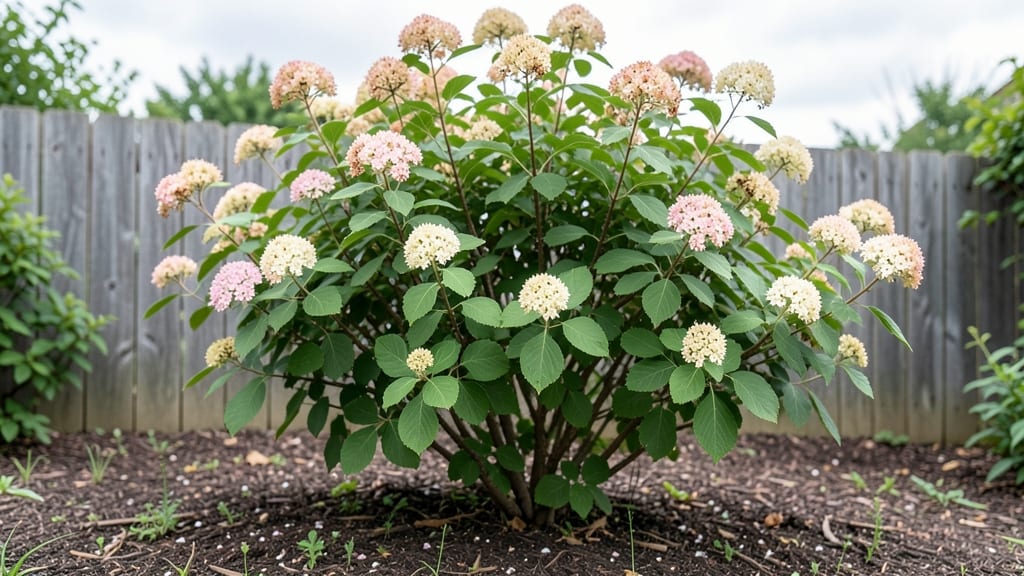
Timing your viburnum blooms 🌸 means catching them at their absolute best—whether it’s the early spring burst of Viburnum bodnantense or the summer showstopper of V. plicatum.
If you’ve ever dreamed of fragrant spring blooms or late-summer color, you know these shrubs shine brightest in narrow windows—but many gardeners miss them entirely. The wrong pruning or sunlight can push back bloom time by weeks, leaving you staring at a bush full of leaves instead of flowers.
Here’s the secret: some varieties bloom in winter, others wait for summer, and a few even reward you with two rounds of flowers if you time care right. I’ll break down the exact months for your zone, plus how to nudge your viburnum into flowering earlier—or keeping it going longer.
By the end, you’ll know not just when to expect those showy clusters, but how to extend the season so your garden stays in bloom from late winter through fall.
When do viburnums bloom? Month-by-month flowering schedule by species
Viburnums are some of the most rewarding shrubs for gardeners, offering fragrant blooms and stunning foliage—but their timing varies wildly by species. Some burst into color in late winter, while others wait until summer’s peak.
Knowing these schedules helps you plan for seasonal highlights and avoid missing their brief but brilliant displays.
Climate plays a huge role: Southern gardens may see earlier blooms, while northern regions often delay flowering until frost risks pass. Even sunlight exposure and soil moisture can shift bloom windows by weeks. For example, Viburnum bodnantense—the winter gem—often blooms 3-4 weeks earlier in milder coastal areas than inland.
Let’s break down the month-by-month bloom cycles for the most popular viburnum varieties, so you can mark your calendar and enjoy their seasonal spectacles without a hitch.
If you’re planning a year-round garden, strategically placing viburnums ensures sequential blooms. For instance, pair Viburnum bodnantense (winter) with Viburnum plicatum (spring) and Viburnum dentatum (summer) to create a nonstop floral parade.
Just be mindful of late frosts: early bloomers like V. carlesii can suffer damage if frost hits after buds swell.
Climate shifts are also changing bloom times. In my Zone 6 garden, I’ve noticed Viburnum plicatum now blooms 10 days earlier than it did 15 years ago—a trend attributed to milder winters.
To adapt, monitor your local last frost dates and adjust pruning schedules accordingly. For example, avoid heavy pruning 2 months before expected bloom time to preserve next year’s flowers.
Light exposure tweaks timing too. Morning sun encourages earlier blooms in spring-flowering varieties, while afternoon shade can delay them slightly. Test this in your garden: move a Viburnum opulus to a sunnier spot and watch its May-June blooms arrive 1-2 weeks sooner.
Just avoid harsh afternoon sun, which can scorch delicate petals.
Soil moisture matters too. Drought-stressed viburnums often delay blooming until they recover. In my dry-summer climate, I mulch heavily around Viburnum dentatum to retain moisture, which helps it bloom reliably in June-July instead of sporadically. A deep watering once a week during bud formation also makes a noticeable difference.
Pro tip: Use string lights or garden flags to mark your viburnums’ bloom windows. This helps you time pruning, fertilizing, and even photography sessions perfectly. For instance, snap photos of Viburnum bodnantense in February when its pink buds
How to extend Viburnum bloom time with pruning and care tips
Viburnums are famous for their fragrant clusters and prolonged flowering, but many gardeners unknowingly cut their bloom time short with poor timing or techniques. The secret to longer-lasting blooms lies in understanding your specific viburnum variety and adjusting care to match its natural cycle.
For example, spring bloomers like Viburnum plicatum set buds the previous year, while late-summer varieties like Viburnum opulus bloom on new growth. Knowing which type you have changes everything from pruning to fertilizing.
Start by identifying whether your viburnum is a spring bloomer (buds form in summer/fall) or late-season bloomer (buds form in spring). This distinction determines when and how you prune—cutting at the wrong time can eliminate next year’s flowers entirely.
Even watering habits play a role: consistent moisture during bud formation (late summer for spring bloomers) encourages more abundant flowers, while drought stress can stunt bloom potential. Let’s break down the exact steps to maximize your viburnum’s flowering season.
- Prune spring bloomers immediately after flowering (late spring/early summer) to avoid cutting off next year’s buds, which form on old wood.
- Deadhead late-summer bloomers (like Viburnum opulus) to redirect energy into new growth and extend the bloom period by 2-4 weeks.
- Fertilize in early spring with a balanced 10-10-10 formula to support bud formation, but avoid high-nitrogen fertilizers in summer, which promote leafy growth over flowers.
- Mulch heavily in fall (3-4 inches) to insulate roots and protect winter-hardy varieties like Viburnum bodnantense, which bloom in late winter.
- Water deeply during bud set (late summer for spring bloomers) to ensure hydrated soil and prevent bud drop from drought stress.
Pruning is the most critical factor in extending bloom time, but timing is everything. For spring bloomers, prune right after flowers fade to avoid removing next year’s buds hidden on last year’s branches.
Use clean, sharp shears to make cuts just above a bud or leaf node, and remove no more than 25% of the plant at once. For late-summer bloomers, prune in early spring to encourage vigorous new growth, which will produce more flowers.
Always sterilize tools with rubbing alcohol between cuts to prevent disease spread.
Fertilizer choices can make or break your viburnum’s bloom performance. A high-phosphorus fertilizer (like 5-10-5) in late summer boosts bud formation for spring bloomers, while a balanced formula in early spring supports overall plant health. Avoid heavy nitrogen in summer, as it shifts energy toward leaves instead of flowers.
Organic options like composted manure or bone meal are excellent for phosphorus-rich feeding. Pair fertilization with a 2-inch layer of mulch to retain moisture and regulate soil temperature, both of which encourage stronger root systems and more robust blooms.
Seasonal maintenance often gets overlooked, but it’s what separates a mediocre bloom from a showstopper. In winter, protect tender varieties like Viburnum rhytidophyllum with burlap wraps or mulch volcanoes to shield roots from freezing temperatures.
For spring bloomers, remove any dead or crossing branches in late winter to improve airflow and reduce disease risk. During summer, monitor for aphids or spider mites, which can stress the plant and reduce flowering.
A gentle spray of neem oil keeps pests at bay without harming beneficial insects.
Don’t forget about light and soil conditions, which directly impact bloom time. Most viburnums thrive in partial shade (4-6 hours of sun), but full sun can extend the blooming season for varieties like Viburnum carlesii.
Amend clay-heavy soil with compost or sand to improve drainage, as waterlogged roots lead to bud drop. If your viburnum isn’t blooming as expected, test the soil pH—most prefer a slightly acidic to neutral range (6.0-7.0)—.
Adjust with lime (to raise pH) or sulfur (to lower pH) as needed. With these targeted adjustments, your viburnum could bloom 2-3 weeks longer than average.
Extend your viburnum’s bloom time this year by combining pruning precision, smart fertilization, and seasonal protection. Start with the right pruning technique for your variety, then support it with consistent care throughout the year.
The result? Fragrant clusters that last from late winter to early fall, turning your garden into a year-round showcase. 🌸