
Shrubs
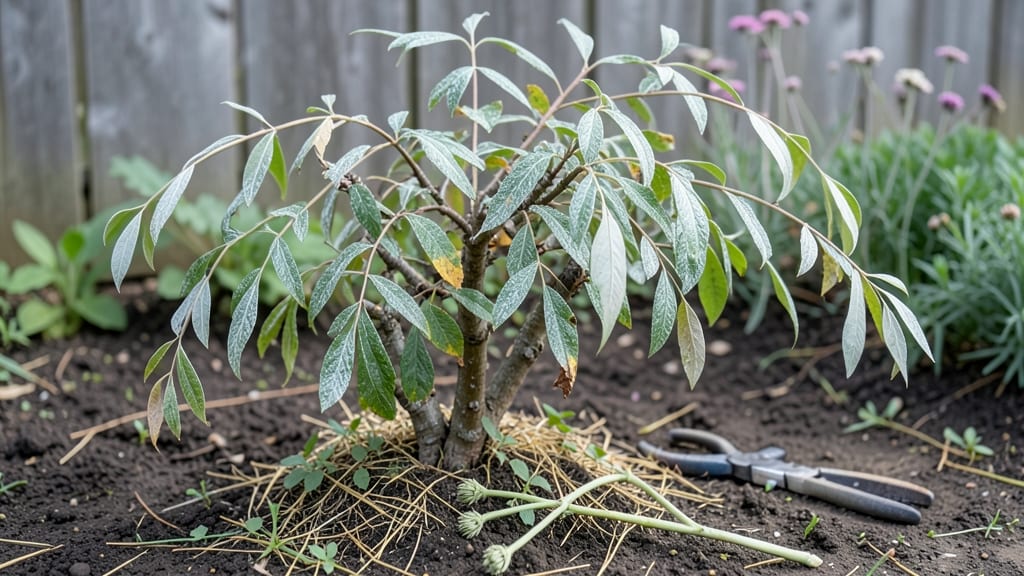
Pruning your dappled willow shrub in late winter—just as buds swell but before leaves burst—is the secret to healthier growth and stronger branches.
Get it wrong, and you risk stunted foliage or even disease. But nail the timing, and you’ll see vibrant new shoots by spring, with fewer pests and less stress on the plant. Here’s exactly when and how to do it for maximum impact.
This isn’t just about aesthetics—proper late-winter pruning jumpstarts the shrub’s energy for the season, while cutting too early or too late can leave it vulnerable. Whether you’re in USDA Zone 6a or further south, the right approach makes all the difference.
Below, I’ll walk you through the best window, tools to use, and step-by-step techniques to keep your dappled willow 🌿 thriving for years.
Best late winter pruning timeline for dappled willow shrubs
Pruning your dappled willow shrub in late winter is one of the most effective ways to encourage vigorous spring growth while maintaining its stunning, airy foliage. This optimal pruning window—typically between February and March—aligns perfectly with the shrub’s natural dormancy period, minimizing stress and disease risk.
The key is to prune just before new growth begins, allowing your shrub to channel energy into healthy branches and lush leaves.
Late winter pruning offers a critical advantage: it removes dead or weak branches that could harbor pests or diseases over winter. By shaping your shrub during this dormant phase, you also make room for sunlight penetration, which is essential for the foliage’s signature dappled pattern.
However, timing is everything—prune too early, and you risk damaging budding stems; too late, and you’ll cut into new growth, stunting development.
Regional adjustments are crucial, as USDA hardiness zones can shift the ideal window by weeks. In warmer southern climates (Zones 8-10), start pruning as early as late January to avoid premature budding. In colder northern zones (Zones 3-6), wait until mid-to-late March when frost risk has passed. Always check for swollen buds—a sure sign your shrub is waking up and ready for pruning.
Look for these 3 key signs that your dappled willow is ready for late winter pruning:
- Dormant branches with no visible buds or green shoots.
- Dry, brown stems that snap easily when bent (these are dead and should be removed).
- Clear, calm weather with temperatures consistently above 40°F (4°C) for at least a week.
Why late winter? This timing exploits the shrub’s natural growth cycle. Pruning now stimulates early spring blooms and strengthens branch structure before the growing season peaks. It’s also the best time to reshape overgrown shrubs without sacrificing next year’s foliage. For young dappled willows (under 3 years old), focus on removing only dead wood—avoid heavy pruning to preserve their establishing root systems.
Here’s a quick regional guide to late winter pruning: Zone 3-5: Wait until late March to avoid late frosts. Zone 6-7: Prune in February-March when days warm above 50°F (10°C). Zone 8-10: Start as early as January-February to prevent early budding.
If you miss the late winter window, don’t panic—early spring pruning (April) is still effective, though it may delay new growth by a few weeks. Avoid pruning in summer or fall, as this can stress the shrub and leave it vulnerable to pests or fungal diseases.
The worst time is deep winter (December-January) when the shrub is fully dormant and energy reserves are low.
Pro tip: Use sterilized pruning shears to prevent spreading bacterial or fungal spores between cuts. After pruning, apply a thin layer of mulch around the base to retain moisture and regulate soil temperature.
This simple step can boost root health and set your shrub up for a showstopping spring display.
For overgrown dappled willows, divide pruning into 2 sessions: remove up to 1/3 of the oldest wood in late winter, then shape the remaining branches in early spring.
This gradual approach reduces shock and encourages balanced regrowth. Always cut just above a bud or lateral branch to promote healthy new growth.
Remember, the goal of late winter pruning is to balance form and function. A well-pruned dappled willow will reward you with denser foliage, stronger branches, and that coveted dappled effect all season long. With the right timing and technique, your shrub will thrive for years to come.
🌿
🌱
Step-by-step late winter pruning process for healthy growth
Late winter is the perfect time to prune your dappled willow shrub because it’s dormant but about to burst into growth. This 3-step process removes dead wood, shapes branches, and sets the stage for vibrant spring foliage.
With the right tools and techniques, you’ll encourage healthier growth and a more compact, picturesque shrub.
Before you begin, gather your pruning essentials: sharp bypass pruners for clean cuts, loppers for thicker branches, and disinfectant to prevent disease spread. Wear gloves—willow branches can be prickly!
The goal is to remove up to one-third of the shrub’s oldest wood while maintaining its natural, airy shape. Let’s dive into the exact steps to follow.
Start by scanning your dappled willow for dead branches—they’ll be dry, brittle, or brown. Cut these back to the main stem or nearest healthy growth point using a sharp pruner. This step improves airflow and reduces disease risk.
Look for crossing branches or those growing inward. Remove 1-2 older branches per cluster to open up the center. Aim for a balanced shape—willows thrive with an open, airy form. Cut just above a bud or side branch at a 45-degree angle.
Now’s the time to refine the shrub’s silhouette. Trim back any overly long branches to maintain its natural, cascading form. Avoid cutting into the oldest wood—focus on younger growth. Step back often to check your progress!
Rake up all pruned debris and dispose of it away from your garden. Wipe down your tools with rubbing alcohol or a 10% bleach solution to prevent the spread of fungal spores. Finish by watering the base of the shrub to reduce stress.
One of the biggest mistakes gardeners make is pruning too late in winter, just before new growth starts. If you wait until early spring, you’ll risk encouraging tender shoots that can be damaged by late frosts.
Another pitfall? Cutting into old, woody stems—this can harm the shrub’s ability to regenerate.
After pruning, your dappled willow will reward you with lush, vibrant foliage and a more manageable size. Keep an eye out for new growth in early spring—a sure sign your pruning was successful!
For overgrown specimens, you may need to prune in two stages over consecutive years to avoid shocking the plant.
Pro tip: If your willow has pest issues, like aphids or spider mites, prune during late winter to remove hiding spots. Always inspect branches closely before making cuts—healthy wood should be green or light brown, not hollow or crumbly.