
Pruning
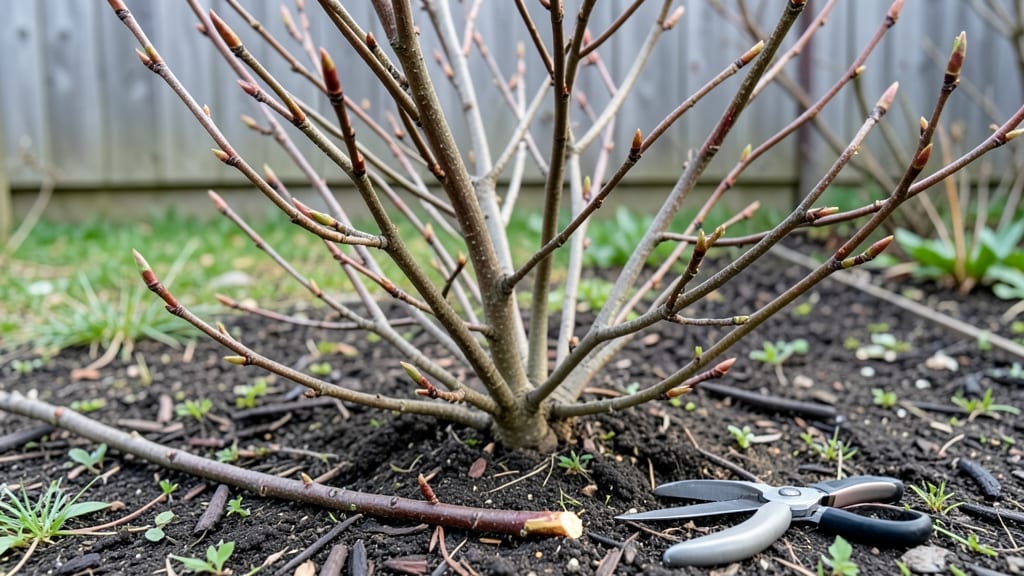
To prune forsythia shrubs, wait until right after their vibrant spring blooms fade—usually between late May and early June—so you don’t accidentally cut off next year’s flower buds, which form on last year’s wood. If you miss this window, late summer or early autumn pruning is your next best option, but avoid pruning in fall or winter when the plant is dormant.
Forsythia shrubs bloom on old wood, meaning their flowers develop on branches from the previous year.
Pruning too early—before blooms fade—removes next year’s buds, leaving you with a bare shrub. 🌸 The ideal timing aligns with the plant’s natural cycle: once flowers drop, the shrub enters a dormant phase, making it safer to trim.
Regional climates shift this window slightly—warmer southern zones may prune a week earlier than cooler northern areas.
If you miss the post-bloom window, late summer pruning (after July 4th) gives the plant time to set new buds before winter. This is especially useful for overgrown shrubs needing heavy pruning.
Just avoid cutting back hard in autumn or winter, as the plant won’t recover in time for spring blooms. Always use clean, sharp tools and remove no more than 1/3 of the shrub’s growth in a single session to avoid stress.
💡 In This Article
- Forsythia Flowering Cycle and Pruning Science
- Step-by-Step Forsythia Pruning Guide by Season
Forsythia flowering cycle and pruning science
The key to understanding forsythia pruning lies in its unique flowering mechanism: buds form on second-year wood—branches that grew the previous season. Here's what's actually happening: In late summer or early autumn, the shrub begins developing flower buds along last year's stems.
These buds remain dormant through winter and spring until temperatures rise, triggering blooming. The buds are tiny, barely visible, and located at the base of the stems where leaves emerge—this is why cutting back too soon removes next year's flowers entirely. 🔥
Forsythia's growth cycle aligns with its post-flowering dormancy period, which explains why timing matters so critically. After blooms fade (typically by early June), the plant shifts energy from flowering to leaf production and root growth.
Pruning during this window removes spent blooms while preserving the framework needed for next year's flowers. In warmer climates like USDA Zone 8+, this window may start as early as late April, while in cooler Zone 5-6 regions, it can extend to mid-June.
The difference comes from varying chill requirements and bloom triggers.
What most people don't realize is how aggressive forsythia can be about bud formation. The shrub produces hundreds of flower buds per branch—each one requiring energy stored during the previous growing season. When you prune too early, you're essentially cutting off the plant's future harvest.
The buds are particularly vulnerable because they're not yet hardened off; removing them too soon leaves the shrub with no mechanism to produce flowers until new branches mature—typically 2 full growing seasons later. This explains why forsythia can look barren after early pruning.
Regional climate variations create significant differences in ideal pruning windows. In the Pacific Northwest, where winters are wet and cool, forsythia often blooms slightly later (June) due to delayed bud break. Meanwhile, in Southern California's Mediterranean climate, shrubs may finish blooming by late April.
The 1000+ chill hours requirement for bud formation means northern climates have a narrower window—sometimes just 2-3 weeks—between bloom fade and bud dormancy. This is why gardeners in these areas must be especially vigilant about timing.
Here's the science behind why late pruning works: Forsythia forms secondary buds along current season's growth after the initial bloom cycle. These backup buds allow for late summer pruning (July-August) to still produce flowers the following year, though typically 20-30% fewer blooms than optimal timing.
The trade-off is that these secondary buds are less robust, often producing smaller flowers. In Zone 7+, this late window extends to early September, giving gardeners more flexibility—but never beyond when night temperatures drop below 50°F consistently.
For visual learners, think of forsythia's growth like a tree's annual rings—each year's wood carries next year's potential. When you prune correctly, you're preserving that growth framework; when you prune incorrectly, you're essentially sawing off next year's branches before they've even formed.
The plant's resilience comes from its ability to produce new shoots from old wood, but this process takes time—typically 6-12 months for significant regrowth. 💫