
Pruning
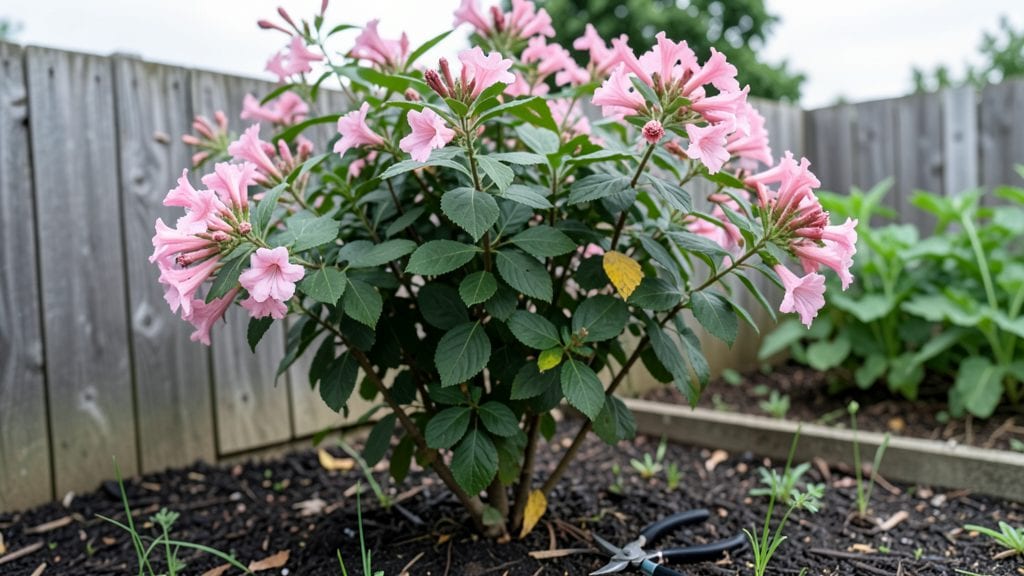
To prune weigela shrubs, focus on late winter or early spring when buds form but before leaves emerge, ensuring lush blooms and proper shape. Never trim after mid-summer, as this can eliminate next year's flowers.
Timing matters because weigela shrubs bloom on old wood—last year's growth—which means cutting back too late risks removing next year's flowers entirely. 🌸 In colder climates, wait until after the last frost, while warmer zones can prune slightly earlier.
The key is catching that sweet spot between dormancy and new growth, when the plant is primed for recovery.
This approach isn't just about aesthetics—proper pruning boosts airflow, reduces disease risk, and encourages stronger stems. I've seen weigela shrubs that were pruned at the wrong time struggle to rebloom the next season, so getting the timing right makes all the difference for long-term health.
💡 In This Article
- Optimal Weigela Pruning Seasons Explained
- Step-by-Step Weigela Shrub Pruning Guide
Optimal weigela pruning seasons explained
Weigela shrubs bloom on old wood, meaning their flowers form on the previous year's growth. This biological quirk explains why late winter or early spring pruning is critical.
During dormancy (typically December-February in most climates), the plant conserves energy while flower buds begin forming at the base of last year's stems. Pruning at this stage removes dead or weak branches while preserving next year's blooms.
The ideal window is when you see swollen buds but before leaves emerge, usually 4-6 weeks before last frost. In Zone 5, this might be late February; in Zone 8, it could be January.
The plant's sap flow is minimal during dormancy, so cuts heal faster. What most gardeners miss is that summer pruning (after June) risks cutting off these flower buds before they've fully developed.
Here's what happens if you prune too late: weigela flowers form on 1-2 year old wood, so any cuts made after mid-summer remove next year's blooms entirely. I've seen weigela shrubs that were pruned in July fail to bloom the following spring—it's heartbreaking to watch.
The plant's energy shifts to new growth instead of flower production, and the shrub loses its signature vibrant display.
Climate zones shift this window slightly. In colder regions (Zones 3-5), wait until after the last frost to avoid frost damage to fresh cuts. Warmer zones (6-9) can prune earlier, even in December. The key is matching your timing to when buds swell but before active growth begins.
This 2-4 week window is your target—miss it, and you risk either leaving too many old branches or cutting off next year's flowers.
Temperature also plays a role: prune when daytime temps stay above 40°F to prevent shock. The plant needs to be able to heal cuts quickly.
In my experience, pruning weigela on a 50-60°F day with partial sun gives the best results—the shrub recovers faster and puts more energy into new growth. The right timing isn't just about when to cut, but about giving the plant the best chance to thrive afterward.
One common mistake is pruning after a heavy bloom cycle. While deadheading spent flowers helps maintain appearance, major structural pruning should still wait for dormancy. The plant needs to recover from flowering before you make significant cuts.
Think of it like giving your weigela a seasonal tune-up when it's at its most resilient.
What's actually happening biologically is that weigela's flower buds form in late summer on the previous year's growth, then remain dormant through winter. Pruning in late winter/early spring removes only the current year's growth while preserving last year's flowering stems.
It's a delicate balance between shaping the shrub and protecting its blooming potential.