
Shrubs
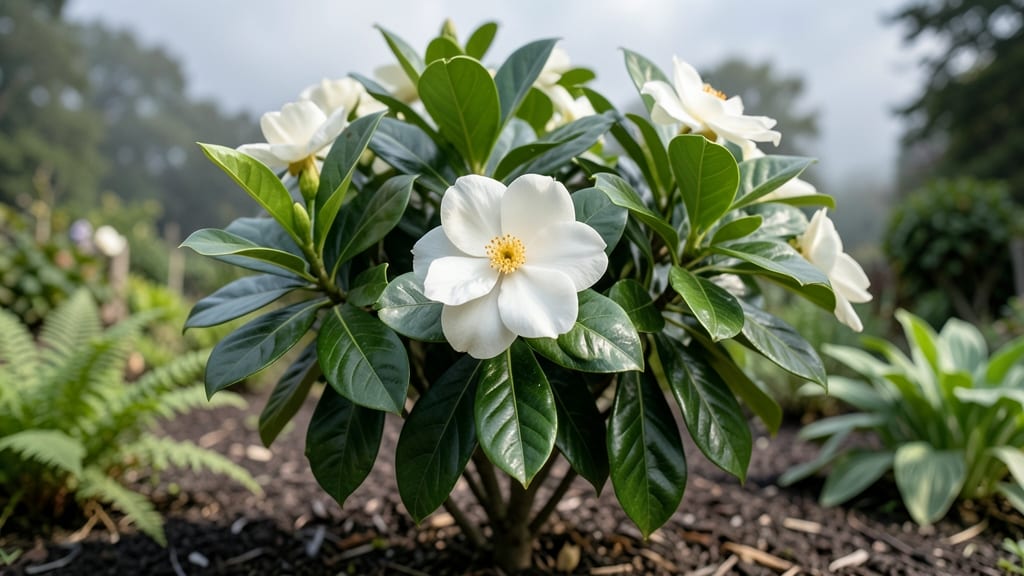
Your fragrant white gardenia shrub canopy starts with three simple cuts—and the first bloom will make you forget store-bought flowers. 🌸 These glossy-leaved shrubs (Gardenia jasminoides) thrive when planted in well-draining, slightly acidic soil with morning sun and afternoon shade.
The secret? Mimicking their tropical roots: rich organic matter, consistent moisture, and a spot where temps stay above 50°F year-round.
Once established, gardenias reward you with creamy-white, intoxicating blooms for months—just prune after flowering to encourage bushier growth. Yellowing leaves? Usually iron deficiency or overwatering. Lack of blooms?
Too much nitrogen. With the right care, your gardenia will become the fragrant centerpiece of your yard, outshining any neighbor’s landscape. Let’s get those roots settled.
📚 In This Guide
- What you need
- Instructions
- Tips and common mistakes
- Wrapping up and next steps
What you need
- ● White Gardenia Shrub: 1 healthy, disease-free plant (bare-root or potted, 1–3 years old). Look for Gardenia jasminoides varieties like 'Kleim’s Hardy' or 'Radicans'.
- ● Well-draining soil: 5–10 bags (2–3 cubic feet each) of peat-free potting mix or a blend of: 60% garden soil
- ● 30% compost
- ● 10% perlite or sand
- ● Organic mulch: 3–5 bags (2 cubic feet each) of pine bark fines or cypress mulch (to retain moisture and acidity).
- ● Slow-release fertilizer: 1–2 lbs of acid-loving plant fertilizer (e.g., 8-3-9 or 10-10-10 with micronutrients).
- ● Pruning tools: 1 pair of bypass pruners (for clean cuts)
- ● 1 pair of sterilized loppers (for thicker branches)
- ● Watering can or hose: With a fine-mist nozzle (gardenia hates soggy roots!).
- ● Spray bottle: For misting leaves (especially in dry climates).
- ● Garden gloves: To protect your hands from thorns (yes, some varieties have mild ones!).
- ● pH test kit: To check soil acidity (gardenia thrives at 5.0–6.5 pH).
- ● Epsom salt (magnesium sulfate): 1 lb (for yellowing leaves—apply monthly in water).
- ● Shade cloth (30–50% coverage): If planting in hot climates (gardenia loves morning sun + afternoon shade).
- ○ Trellis or support: Optional for climbing varieties like 'Radicans'.
- ● Fungicide (copper-based): For prevention if your area has high humidity.
Instructions for cultivating a fragrant white gardenia shrub
Here's how to shape a lush, thorn-free gardenia canopy with minimal effort—just three strategic cuts.
🌿 Step 1: Prune for Airflow and Shape in Early Spring
Start your gardenia's transformation in early spring, just as new growth emerges. Use clean, sharp pruning shears to remove any dead, crossing, or inward-growing branches first—these compete for energy and block airflow, inviting fungal diseases. Cut back to the nearest outward-facing bud or branch junction.
Next, shape the shrub by thinning out 25-30% of the oldest growth from the center outward. You'll see dense clusters of small leaves—these are your signal to cut. Remove entire branches at their base rather than hacking at the ends. This opens up the canopy, letting sunlight and air circulate to every leaf, which is critical for those signature white blooms.
✂️ Step 2: Encourage Bushier Growth with Summer Trimming
Mid-summer is when gardenias start showing their true potential. After the first flush of flowers, take a second pass with your shears to pinch back new growth by about one-third. Look for stems with 3-4 sets of true leaves—cut just above the fourth leaf node. This forces the plant to branch out instead of growing tall and leggy.
Real talk: You might feel hesitant to cut back flowering stems, but trust me—this is how you get that thick, thorn-free canopy. The plant will respond by sending out multiple new shoots from those cut points, each capable of producing flowers. Avoid cutting into old wood (brown or woody stems)—focus only on the current season's green growth.
🌱 Step 3: Light Winter Pruning for Form and Health
In late winter, just before buds swell but before new growth starts, do a final light pruning to refine the shape. Remove any remaining dead wood or branches that haven't responded well to summer cuts. This is also the time to shape the outer edges—trim back any branches that have grown too long or are spoiling the round, full form gardenias are known for.
Leave the shears out of the shrub's center now. Winter pruning is about refinement, not drastic cuts. You'll see where branches have filled in over summer—this is your guide to creating that perfect, fragrant canopy. After pruning, give the plant a light application of balanced fertilizer (10-10-10) to support new growth.
☀️ Step 4: Maintain Year-Round Care for Continuous Blooms
Your pruning work pays off when you maintain the right conditions. Gardenias thrive in partial shade (morning sun, afternoon shade in hot climates) and well-draining, acidic soil (pH 5.0-6.5). Water deeply once a week during dry spells, keeping the root zone consistently moist but never soggy. You'll know it's right when the top 2-3 inches of soil feel damp but not wet.
Watch for aphids or scale insects on new growth after pruning—they love fresh new shoots. Treat infestations immediately with neem oil spray to protect your plant's health. With consistent care, your gardenia will reward you with continuous blooms from spring through fall, filling your space with that intoxicating fragrance.
Tips & tricks for perfect white gardenia shrub pruning
Took me years to figure out these pruning secrets—here's how to transform your gardenia into a fragrant, thorn-free masterpiece.
Tool Preparation: Always sterilize your pruning shears with rubbing alcohol between cuts in Step 1. I learned this the hard way after introducing bacterial infections to my shrub. Clean shears also make cleaner cuts that heal faster, preventing unsightly scars. Use a 10:1 bleach-water solution to sanitize tools thoroughly before starting—this is especially important when working with older wood that might harbor diseases.
Seasonal Timing Secret: The early spring timing in Step 1 is non-negotiable for white gardenias. This is when the plant's energy shifts from dormancy to growth—pruning at this exact moment prevents shock while encouraging vigorous new shoots. If you miss this window, wait until late winter when buds begin to swell, but never prune after new growth appears. I've seen gardenias stressed by summer pruning fail to bloom for an entire season.
Visual Cues for Summer Trimming: When pinching back in Step 2, look for stems where the leaves are arranged in whorls (circles) around the stem. Cut just above the fourth leaf node—this is where new growth will emerge. The new shoots that form will be more compact and bushier. I count leaves as I go: 1-2-3-4, then make my cut. This technique creates that lush, thorn-free canopy we're all after.
Winter Pruning Refinement: In Step 3, focus on creating a natural, rounded shape rather than geometric perfection. Gardenias respond best to organic forms that mimic their natural growth patterns. Use your shears to follow the plant's natural lines, removing only what disrupts that perfect round silhouette. After shaping, step back and visualize how the canopy will fill in—this helps guide your cuts for next year's growth.
Pro Tips for White Gardenia Shrub
- Took me years to figure out these pruning secrets—here's how to transform your gardenia into a fragrant, thorn-free masterpiece.
- Tool Preparation: Always sterilize your pruning shears with rubbing alcohol between cuts in Step 1.
- Seasonal Timing Secret: The early spring timing in Step 1 is non-negotiable for white gardenias.
Frequently asked questions
How often should I prune my white gardenia shrub?
Prune your white gardenia 2-3 times a year: once after flowering (late spring), lightly in summer to shape, and a final trim in early fall to prep for winter. Avoid heavy pruning in winter—it can stress the plant. Pro tip: Always use clean, sharp shears to prevent disease!
Can white gardenias survive winter in cold climates?
White gardenias are tropical and thrive in USDA zones 9-11. In colder areas, grow them in containers and bring them indoors before temps drop below 30°F (-1°C). If planted in the ground, mulch heavily and wrap the base in burlap for protection. Warning: Frost will kill the plant!
Why aren’t my white gardenias blooming?
Bloom issues often stem from over-fertilizing (too much nitrogen = leafy growth, no flowers) or poor light. Ensure your shrub gets bright, indirect sunlight (6+ hours/day) and use a balanced, acidic fertilizer (like 6-6-6) in early spring. Tip: Deadhead spent blooms to encourage new flowers!
Are white gardenias toxic to pets or kids?
Yes, white gardenias are mildly toxic if ingested due to their saponin content. Symptoms in pets/kids may include drooling, vomiting, or diarrhea. Keep them out of reach and consult a vet if ingestion occurs. Safe swap: Opt for pet-friendly alternatives like jasmine or gardenia ‘Kleim’s Hardy’ (a cold-hardy variety).
How do I revive a leggy or sparse white gardenia?
Leggy growth usually means low light or over-pruning. Move your shrub to a sunnier spot and prune back 1/3 of the leggiest stems to encourage bushier growth. Boost nutrients with a phosphorus-rich fertilizer (like 10-10-10) to promote flowering. Patience pays off: Healthy regrowth takes 4-6 weeks!
Can I grow white gardenias in containers?
Containers are ideal for white gardenias, especially in cooler climates. Use a well-draining potting mix and a pot with drainage holes (at least 15-gallon size). Place in partial shade and water when the top inch of soil feels dry. Pro move: Rotate the pot monthly for even growth!
Wrapping up and next steps
The white gardenia shrub is a fragrant, low-maintenance beauty that brings elegance and tranquility to any garden—without a single thorn! With just three simple cuts, you can shape it into a lush, thriving canopy that fills your space with intoxicating blooms and velvety leaves.
Whether you're a seasoned gardener or a beginner, this shrub is your ticket to effortless charm.
Ready to transform your outdoor space? Grab your pruners, pick a sunny spot, and get growing! 🌸 Your future fragrant retreat awaits—one snip at a time.