
Shrubs
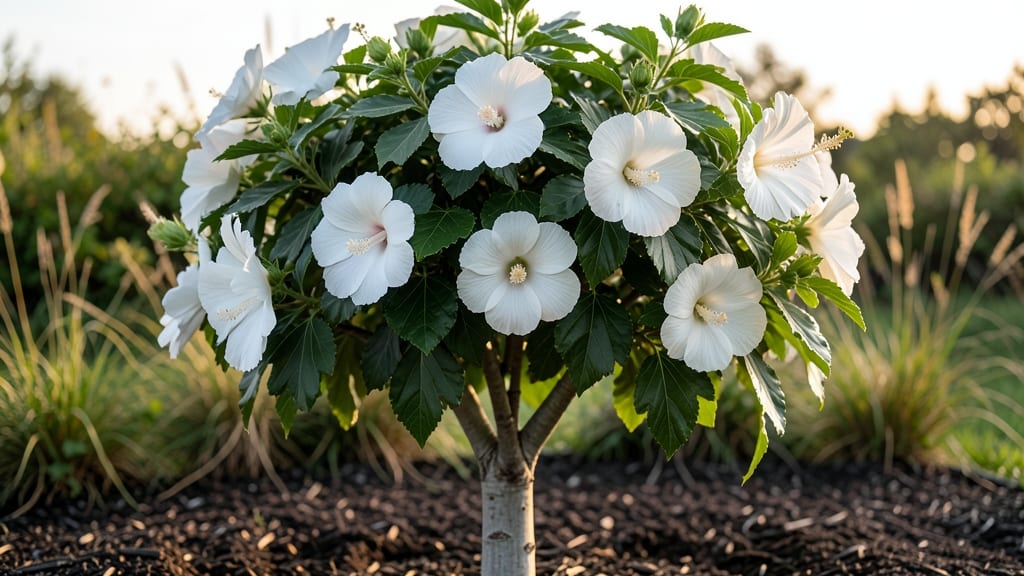
Your white hibiscus shrub could become the star of your garden this summer. 🌸 I've grown these fragrant beauties for years, and they thrive with the right sunlight, soil, and a little patience—no fancy tricks required.
Start with well-draining soil and full sun (at least 6 hours daily), then water deeply but let the top inch dry between soakings. Prune after blooming to shape the shrub and encourage next year’s flowers.
The varieties like 'Alba' or 'White Chiffon' produce stunning blooms perfect for cocktails or tea. By late summer, you’ll have lush foliage and clusters of delicate white flowers that attract butterflies. The scent alone makes it worth the effort—plus, they’re hardy enough for beginners but rewarding for experts.
📚 In This Guide
- What you need
- Instructions
- Tips and common mistakes
- Wrapping up and next steps
What you need
- ● White hibiscus plant: Start with a healthy nursery-grown Hibiscus rosa-sinensis (white variety) or seeds (if propagating).
- ● Well-draining potting mix: 5–10 gallons (for pots) or amend garden soil with 50% perlite/vermiculite to prevent root rot.
- ○ Container (optional but recommended): 15–20 gallon pot (minimum 12" diameter) with drainage holes.
- ● OR sunny garden bed with loose, fertile soil (pH 6.0–7.0).
- ● Slow-release fertilizer: 10–10–10 NPK blend (1 tbsp per gallon of soil) or organic options like composted manure.
- ● Pruning shears: Sharp, sterilized shears (for shaping and harvesting).
- ● Mulch: 2–3 inches of organic mulch (e.g., pine bark or straw) to retain moisture.
- ● Watering can or hose with gentle spray nozzle: Hibiscus loves hydration but hates soggy roots!
- ○ pH test kit (optional): Ensure soil stays in the ideal range (6.0–7.0).
- ● Support stake (for outdoor plants): 4–6 ft bamboo or metal stake to secure tall stems.
- ○ Gloves (optional): Protect hands from thorns and soil.
- ● Harvesting container: Small bowl or basket for collecting blooms.
- ● Sunlight: Full sun (6+ hours daily). Partial shade tolerates only in hot climates.
- ● Temperature: Thrives in USDA Zones 9–11. Use a greenhouse or indoor grow light for cooler zones.
- ● Patience: Hibiscus grows 1–2 ft/year; expect blooms in 1–2 years from seed.
Step-by-Step guide to growing a thriving white hibiscus shrub
Here's how to cultivate a fragrant, blooming white hibiscus that'll elevate your garden and your drinks.
🌱 Step 1: Choose the Perfect Planting Spot
White hibiscus thrives in full sun, needing at least 6-8 hours of direct sunlight daily. Pick a location with well-draining soil—hibiscus roots hate soggy conditions. I always test drainage by digging a hole, filling it with water, and watching it drain within an hour. If it pools, amend the soil with compost or sand to improve drainage.
This shrub loves warmth, so avoid spots where evening breezes linger—cool drafts shock hibiscus and can stunt blooms. In cooler climates, plant near a south-facing wall to capture reflected heat. Watch for yellowing leaves after planting; that's a sign of overwatering or poor drainage.
🪴 Step 2: Plant With Care and Proper Spacing
Dig a hole twice as wide as the root ball but only as deep as the container it came in. Gently remove the hibiscus from its pot and loosen any circling roots with your fingers—this encourages outward growth. Place the plant in the hole, ensuring the top of the root ball sits 1 inch above soil level to prevent rot.
Space plants 6-8 feet apart to allow airflow and prevent fungal diseases. Backfill with native soil mixed with compost, pressing lightly to remove air pockets. Water deeply right after planting to settle the soil and eliminate gaps. You'll know it's right when water drains freely from the bottom of the hole.
☀️ Step 3: Water Deeply and Maintain Consistent Moisture
Water your hibiscus 1-2 inches per week, letting the top 2 inches of soil dry out between waterings. Stick your finger in the soil—if it feels dry at that depth, it's time to water. Overwatering is the #1 killer of hibiscus; yellowing leaves or wilting despite moist soil are red flags.
Mulch around the base with 2-3 inches of organic mulch to retain moisture and regulate soil temperature. Keep mulch 3 inches away from the trunk to prevent rot. In hot climates, water in the morning to reduce evaporation and fungal risks. You'll see new growth within 4-6 weeks if moisture is just right.
✂️ Step 4: Prune for Shape and Encourage Blooms
Prune hibiscus in late winter or early spring before new growth starts. Remove dead or crossing branches first, cutting back to the nearest healthy bud. Then shape the shrub by trimming leggy stems to encourage bushier growth. Never cut into old wood—hibiscus blooms only on new growth.
After flowering, trim back spent blooms to ¼ inch above a leaf node to stimulate more flowers. I always wear gloves—hibiscus stems have tiny thorns! Prune in the morning on a dry day to let wounds heal faster. With proper pruning, your shrub will burst with white, fragrant blooms by mid-summer.
🌿 Step 5: Fertilize for Vibrant Growth and Blooms
Feed your hibiscus with a balanced, slow-release fertilizer (10-10-10) in early spring, then switch to a low-nitrogen, high-phosphorus formula (5-10-10) when buds form. Apply fertilizer every 6-8 weeks during growing season, following package rates. Over-fertilizing burns roots and causes leaf scorch.
Work fertilizer into the top 2 inches of soil around the drip line, not the trunk. Water deeply after applying to help nutrients reach roots. You'll notice richer green leaves and more abundant blooms within 4-6 weeks of proper feeding. Stop fertilizing in fall to let the plant prepare for dormancy.
Tips & tricks for perfect white hibiscus shrub cultivation
Transform your garden into a fragrant paradise with these essential insights for nurturing your white hibiscus.
Sunlight Strategy: While 6-8 hours of sunlight is ideal, hibiscus actually thrives when given a little extra warmth. In hotter climates, I've found that providing afternoon shade during peak summer months (1-3 PM) prevents sunburn on delicate leaves. This is especially important when your hibiscus is young and establishing roots. Watch for leaves that look bleached or crispy along the edges—this is your plant's way of saying "too much sun!"
Root Health Secret: The 1-inch elevation of the root ball above soil level in Step 2 is crucial for preventing rot. I've learned this the hard way—burying the root ball too deep can suffocate your plant. After planting, I always do a quick "drainage test": fill a container with water and place it near your planting hole. If water pools for more than 10 minutes, you'll need to amend your soil with perlite or coarse sand to improve drainage.
Watering Wisdom: That 1-2 inch weekly watering guideline is perfect, but timing matters just as much. I've noticed that watering in the early morning (before 9 AM) gives the plant all day to absorb moisture before evaporation kicks in. In my experience, afternoon watering can lead to fungal issues, especially in humid climates. The finger test in Step 3 is foolproof—if the top 2 inches feel dry, it's time to water, even if it's not yet your scheduled day.
Pruning Pro Tip: When trimming back spent blooms to ¼ inch above a leaf node, I always make my cuts at a 45-degree angle. This creates a larger surface area for water to be absorbed rather than pooling at the cut. I also keep my pruning shears clean and sharp—dull blades can crush stems rather than make clean cuts. And remember, those thorns are real! I've developed the habit of wearing thick gardening gloves and using a small broom to sweep up any fallen petals, which can harbor pests.
Pro Tips for White Hibiscus Shrub
- Transform your garden into a fragrant paradise with these essential insights for nurturing your white hibiscus.
- Sunlight Strategy: While 6-8 hours of sunlight is ideal, hibiscus actually thrives when given a little extra warmth.
- Root Health Secret: The 1-inch elevation of the root ball above soil level in Step 2 is crucial for preventing rot.
Frequently asked questions
How fast does a white hibiscus shrub grow?
A healthy white hibiscus shrub (like Hibiscus rosa-sinensis) can grow 12–24 inches per year under ideal conditions—warmth, full sun, and regular watering. With pruning, you can shape it into a compact shrub (3–6 feet tall) or let it climb (up to 15 feet) if trellised. Pro tip: Feed it monthly with a balanced fertilizer during spring/summer for faster growth!
When is the best time to harvest hibiscus flowers for tea or cocktails?
Harvest flowers early in the morning when petals are fully open but still crisp (avoid wilted blooms). For tea, pick white hibiscus flowers when they’re fully mature but not yet fading—this ensures maximum flavor and color infusion. Pro tip: Use a sharp pair of scissors to avoid damaging stems, and dry petals in a shady, well-ventilated area for 3–5 days.
Can I use white hibiscus flowers in both sweet and savory dishes?
While white hibiscus is classic in sweet applications (like jellies, syrups, or cocktails), its delicate floral notes also pair well with savory dishes. Try infusing it into vinegar for dressings, adding petals to herb butter, or garnishing seafood or poultry. Warning: Avoid overpowering spicy or heavily seasoned dishes—hibiscus shines in subtle, bright flavors.
Why are my hibiscus leaves turning yellow or dropping?
Yellow leaves or leaf drop usually signal overwatering, underwatering, or nutrient deficiencies. Check the soil—it should be evenly moist but not soggy. Yellowing at the edges? Likely underwatering or salt buildup from tap water. Brown spots + yellowing? Fungal issues (like powdery mildew)—prune affected leaves and improve airflow. Fix: Adjust watering, use well-draining soil, and fertilize lightly.
What are some low-maintenance alternatives to white hibiscus?
If you love hibiscus but want easier-care plants, try:
- Mexican Sunflower (Tithonia rotundifolia): Drought-tolerant, vibrant orange blooms, attracts pollinators.
- Butterfly Bush (Buddleia): Thrives in heat, fragrant flowers, and minimal pruning needed.
- Plumeria (Frangipani): Drought-resistant, tropical scent, and stunning white/pink blooms.
- Duranta (Golden Dewdrop): Fast-growing, fragrant, and thrives in poor soil.
Wrapping up and next steps
Growing a white hibiscus shrub is a rewarding journey that brings beauty, fragrance, and versatility to your garden—and your glass! 🌸 Whether you’re crafting floral-infused cocktails, soothing herbal teas, or simply enjoying its stunning blooms, this tropical gem thrives with the right care.
With patience and attention to its needs, you’ll soon be harvesting lush petals for endless creative possibilities.
Ready to dive in? Start by gathering your supplies, choosing the perfect spot, and giving your white hibiscus the love it deserves. Your fragrant, floral oasis awaits—let’s make it bloom! 🌿✨