
Companion Plants
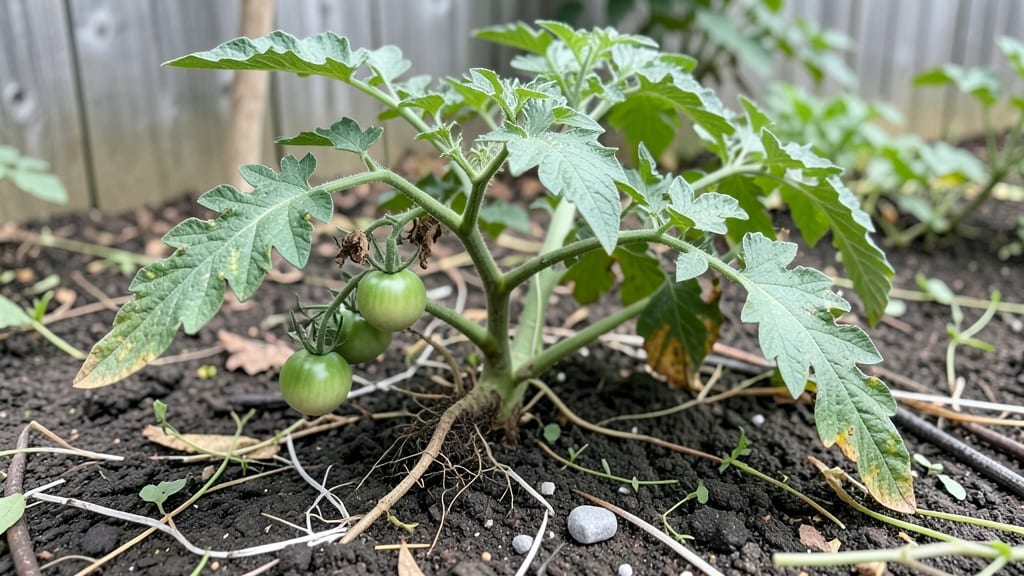
Plants need nutrients to sustain growth, produce energy, and maintain structural integrity, as essential elements like nitrogen, phosphorus, and potassium fuel photosynthesis, root development, and disease resistance. Without them, plants weaken, yellow, or fail to thrive.
Understanding why plants need nutrients goes beyond just seeing them grow—it's about how these elements act like a plant's internal support system. 🌱 Nitrogen, for example, is the building block for chlorophyll, the green pigment that captures sunlight for energy.
Without it, leaves turn pale yellow, a classic sign of deficiency. Meanwhile, phosphorus strengthens roots and flowers, while potassium acts like a plant's immune booster, helping it fend off diseases and stress.
Think of nutrients as the difference between a wilted houseplant and a thriving garden; they're not optional, they're essential for survival and productivity.
What's fascinating is how plants "eat" these nutrients differently based on their needs. Fast-growing vegetables like lettuce crave nitrogen-heavy soil, while fruit trees benefit more from balanced phosphorus and potassium. Even the soil type plays a role—sandy soils drain nutrients quickly, while clay holds them longer.
This is why gardeners often test their soil and adjust with compost or fertilizer blends tailored to specific plants.
💡 In This Article
- Essential Nutrients and Their Roles in Plant Health
- Natural vs Synthetic Nutrient Sources for Gardeners
Essential nutrients and their roles in plant health
At the cellular level, plants rely on macronutrients—nitrogen (N), phosphorus (P), and potassium (K)—to perform their most critical functions. Nitrogen, for instance, makes up about 78% of Earth's atmosphere, but plants can only access it in a fixed form like nitrate or ammonium.
This element is the backbone of chlorophyll, the molecule that converts sunlight into chemical energy during photosynthesis. When nitrogen levels drop, leaves lose their vibrant green color, starting with older foliage—a clear visual signal the plant is starving. 🌿
The role of phosphorus is equally vital but often misunderstood. It powers the plant's energy transfer system by forming ATP (adenosine triphosphate), the molecule that stores and releases energy for growth.
Phosphorus also helps develop strong root systems and promotes flowering, which is why phosphorus-deficient plants may produce fewer fruits or seeds.
A quick test: dig up a plant with stunted roots—you'll often find phosphorus deficiency at play, with dark purple or blue-green leaves appearing as the plant struggles to access energy.
Potassium, meanwhile, acts like a plant's internal regulator, controlling water balance, enzyme activity, and even disease resistance. It helps maintain cell turgor pressure, the rigidity that keeps stems upright and leaves perky.
Without sufficient potassium, plants become more susceptible to pests and diseases, their leaves may develop brown edges (a condition called scorch), and they'll wilt more easily under stress. Think of potassium as the plant's immune system—without it, even minor environmental stressors can become major threats.
Beyond these macronutrients, micronutrients like iron, zinc, and magnesium play specialized roles. Iron, for example, is crucial for electron transport in photosynthesis, while magnesium sits at the center of the chlorophyll molecule itself. A deficiency here causes interveinal chlorosis—yellowing between leaf veins—because the plant can't produce enough chlorophyll.
Zinc, on the other hand, activates over 300 enzymes involved in growth and disease resistance, making it a silent but powerful player in plant health.
What's fascinating is how these nutrients work together in a delicate balance. Too much nitrogen, for example, can actually lock out phosphorus and potassium, creating an imbalance that stunts growth despite high nutrient levels.
This is why soil testing is critical—it reveals not just what nutrients are present, but how they're interacting.
A soil test might show high nitrogen but low phosphorus, explaining why your tomatoes are leafy but fruitless. 🌱 Understanding these relationships helps gardeners make precise adjustments, like adding bone meal (high in phosphorus) to encourage flowering or wood ash (potassium-rich) to boost disease resistance.
Even the way nutrients move through the plant matters. Nitrogen, for instance, is highly mobile—when deficient, the plant will recycle it from older leaves to newer growth, which is why yellowing starts at the base. Phosphorus, however, is less mobile, so deficiencies appear first in younger leaves.
This mobility difference is why diagnosing nutrient issues requires observing where symptoms appear, not just that they exist. A plant with yellowing new leaves, for example, is likely phosphorus-deficient, while yellowing old leaves point to nitrogen starvation.