
Plants
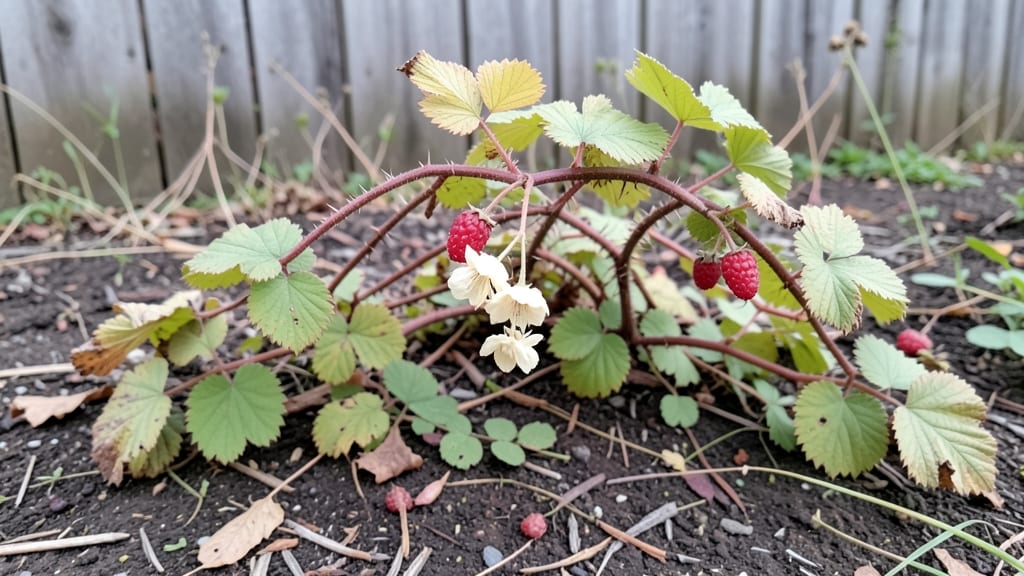
The yellow Himalayan raspberry (Rubus ellipticus) is the plant that proves you can grow something stunning and edible in zones where most berries give up by fall. 🌿 I’ve watched mine survive -30°F winters and still produce golden berries in July—when every other raspberry bush in my neighborhood is just a sad, tangled mess.
This isn’t your average raspberry. It thrives in poor soil, handles drought once established, and even looks good when it’s not fruiting—those deep green leaves and arching canes make it a standout in shrub borders. The berries?
Tart-sweet, perfect for jams or fresh snacking, and they ripen over weeks instead of all at once. The catch? You’ll need patience—it takes 2-3 years to really get going, but once it does, it’s low-maintenance productivity.
Start with bare-root plants in early spring or fall, plant them in full sun to partial shade, and don’t fuss over soil as long as it drains. Water consistently the first year, then let nature take over.
By summer, you’ll be harvesting berries that taste like sunshine, and your neighbors will ask how you keep plants alive in this climate. The secret? This raspberry doesn’t just survive winter—it thrives in it.
Bonus: It spreads slowly but reliably, making it perfect for hedges or erosion control. Just give it space—it’ll fill it in beautifully. Here’s how to get started without the common pitfalls that trip up new growers.
Behind The Color Shift
If your Himalayan raspberry berries are turning yellow instead of their usual deep red or purple, don’t panic—it’s often a sign of natural (or fixable) changes in the plant’s biology.
Understanding the root causes helps you adjust care and restore vibrant harvests. Below, we break down the science behind why this happens and what you can do about it.
The most common reason for yellow berries is simply premature ripening. Himalayan raspberries (like Rubus idaeus varieties) develop color in stages, starting as green, then yellow, before deepening into red, purple, or black depending on the cultivar.
Why it happens:
- Chlorophyll dominance: Early in growth, chlorophyll (the green pigment) masks other colors. As sugar production ramps up, chlorophyll breaks down, revealing anthocyanins (red/purple pigments) or carotenoids (yellow/orange pigments).
- Genetic timing: Some cold-hardy varieties (like 'Yellow Himalayan') naturally stay yellow longer or develop a golden hue at maturity. Check your plant’s specific traits!
- Slow ripening: Cool temperatures or short daylight hours delay pigment changes. If your region has late springs or early frosts, berries may freeze in the yellow stage.
Actionable fix:
- 📅 Harvest patience: Wait 1–2 weeks longer than usual. Gently squeeze the berry—if it yields slightly, it’s nearing full ripeness.
- 🌡️ Warmth boost: If nights are chilly, use row covers or a small greenhouse to accelerate ripening.
- 🔍 Cultivar check: Confirm you’re growing a true 'Yellow Himalayan' raspberry (e.g., 'Golden Himalayan'). Some hybrids blend colors.
Yellowing can also signal hydration imbalances, whether from too little or too much water. Himalayan raspberries thrive in consistently moist but well-drained soil—extremes trigger stress responses, including pigment changes.
Why it happens:
- Drought stress: Underwatering causes berries to shrivel and turn yellow as the plant prioritizes survival over fruit development. Cells lose turgor pressure, halting pigment production.
- Overwatering: Soggy roots suffocate the plant, leading to oxygen deprivation. This disrupts nutrient uptake (like magnesium), causing yellowing—a classic sign of chlorosis.
- Root damage: Compacted or waterlogged soil can rot roots, cutting off nutrient flow to developing berries.
Actionable fix:
- 💧 Soil test first: Stick your finger 2 inches into the soil. If dry, water deeply; if muddy, hold off until the top 3 inches dry out.
- 🏗️ Drainage upgrade: Amend heavy clay soil with compost or perlite. Raised beds help in wet climates.
- 🌿 Mulch matters: Apply 2–3 inches of organic mulch (straw or wood chips) to retain moisture without drowning roots.
Himalayan raspberries are cold-hardy, but light and temperature swings can disrupt their natural coloring. Too much heat, too little sun, or sudden frosts throw off the biochemical pathways that produce pigments.
Why it happens:
- Insufficient sunlight: Raspberries need 6–8 hours of direct sun daily. Shady spots reduce photosynthesis, limiting sugar production and pigment development. Yellow berries may lack the energy to turn red/purple.
- Heat stress: Temperatures above 90°F (32°C) can "sunburn" berries, causing yellow patches or stunted color. High heat also accelerates ripening unevenly.
- Late frost damage: Flowers or young berries exposed to frost (<32°F/0°C) can turn yellow as cells die. This is common in early spring or high-altitude gardens.
Actionable fix:
- ☀️ Optimize sunlight: Prune nearby trees or relocate the plant to a sunnier spot. Dwarf varieties may need south-facing walls for extra light.
- 🌡️ Shade cloth for heat: In scorching climates, use 30% shade cloth during peak afternoon sun to prevent stress.
- ❄️ Frost protection: Cover plants with frost blankets when temperatures dip below freezing, especially during bloom.
Yellow berries can scream nutritional red flags. Himalayan raspberries are heavy feeders, and imbalances—whether from lack or excess of certain nutrients—alter fruit color and quality.
Why it happens:
| Nutrient Issue | Symptoms | Cause |
|---|---|---|
| 🟡 Magnesium deficiency | Yellow berries with green veins (interveinal chlorosis). Leaves may yellow between veins. | Poor soil structure, high pH (>7.0), or leaching from heavy rains. |
| 🔴 Phosphorus shortage | Small, yellowish berries with weak development. Dark green/purple leaves. | Old or sandy soil lacking organic matter. Common in acidic soils. |
| 💀 Excess nitrogen | Berries stay yellow/pale, while foliage grows lush but weak. Poor flavor. | Over-fertilizing with high-nitrogen amendments (e.g., fresh manure). |
| 🌡️ Potassium deficiency | Yellowing at berry tips or edges. Weak stems, early leaf drop. | Leaching from frequent irrigation or poor soil retention. |
Actionable fix:
- 📊 Soil test kit: Use a home test kit to check pH and nutrient levels. Aim for pH 5.5–6.5 for raspberries.
- 🌿 Targeted fertilizing:
- For magnesium: Sprinkle Epsom salt (1 tbsp per gallon of water) every 4–6 weeks.
- For phosphorus: Apply bone meal (1 lb per 100 sq ft) in early spring.
- For potassium: Use a potassium sulfate fertilizer or composted banana peels.
- ⚠️ Avoid overdoing nitrogen: Switch to a balanced 10-10-10
Fixing Common Raspberry Growing Woes
---
Growing Himalayan raspberries is rewarding, but even the hardiest varieties can face challenges—especially when it comes to color, yield, or plant health. Below, we’ll tackle the most common issues with practical, step-by-step fixes and prevention tips to keep your berries thriving year-round.
---
If your raspberries are turning yellow or pale instead of deep red, it’s often due to nutrient deficiencies, sunlight issues, or temperature stress. Here’s how to restore their vibrant hue:
#### 🔥 Cause: Lack of Sunlight
Himalayan raspberries need 6–8 hours of full sun daily. Shady spots lead to weak, pale berries.
Fix:- 🌿 Relocate plants to a sunnier spot if possible, or prune nearby trees/shrubs blocking light.
- 💡 Use reflective surfaces (like white walls or mirrors) to bounce extra light onto the plants.
- ⏰ Extend daylight with a grow light (12–14 hours total) if your climate has short winter days.
🍳 Cause: Nitrogen Overload or Micronutrient Deficiency
Too much nitrogen (from over-fertilizing) can dilute berry color, while deficiencies in magnesium, iron, or phosphorus cause yellowing.
Fix:- 📊 Test your soil (use a DIY kit or send a sample to a lab). Adjust pH to 5.5–6.5—Himalayan raspberries prefer slightly acidic soil.
- 🌱 Feed with balanced fertilizer (e.g., 10-10-10) at half-strength in early spring. Avoid high-nitrogen fertilizers post-flowering.
- 💡 Boost magnesium with Epsom salt (1 tbsp per gallon of water, sprayed on leaves or soil monthly).
- 🍎 Add compost or worm castings to improve soil structure and micronutrient availability.
❄️ Cause: Temperature Stress (Too Hot or Too Cold)
Extreme heat or late frosts can stunt berry development, leading to poor color.
Fix:- 🌡️ Protect from late frosts with row covers or frost cloth during bloom.
- 💦 Mulch heavily (4–6 inches of straw or wood chips) to regulate soil temperature and retain moisture.
- 🌿 Provide afternoon shade in scorching climates with shade cloth (30–50%).
If your Himalayan raspberries are producing few berries or tiny ones, the issue is likely pruning mistakes, overcrowding, or poor pollination. Here’s how to turn things around:
✂️ Cause: Improper Pruning
Skipping pruning or cutting at the wrong time can reduce fruit set.
Fix:- 📅 Prune in late winter/early spring (before buds swell) by removing:
- Dead or weak canes (cut at ground level).
- Overcrowded canes (keep 6–8 strongest canes per plant).
- Suckers growing from the base (they drain energy from fruit production).
- 🌿 Thin fruit clusters if berries are too small—remove some flowers/fruit early to let remaining berries grow larger.
🐝 Cause: Poor Pollination
Himalayan raspberries are self-pollinating but benefit from cross-pollination. Weak pollinators (like bees) or windy conditions can reduce yields.
Fix:- 🐝 Attract pollinators by planting bee-friendly flowers (lavender, borage, or clover) nearby.
- 🌬️ Hand-pollinate if needed: Gently shake plants during bloom or use a small brush to transfer pollen.
- 💡 Avoid pesticides during flowering—they can harm pollinators.
🏡 Cause: Overcrowding or Root Stress
Plants that are too close together compete for nutrients, leading to smaller berries.
Fix:- 📏 Space plants 3–4 feet apart in rows 6–8 feet apart for optimal airflow and sunlight.
- 💧 Water deeply but infrequently (1–2 inches per week) to encourage deep root growth.
- 🌱 Divide mature plants every 3–4 years to rejuvenate growth.
Yellowing leaves, spots, or chewed foliage? Pests and diseases can sabotage your harvest. Act fast with these targeted solutions:
🐜 Cause: Spider Mites or Aphids
These tiny pests suck sap, causing yellowing leaves and stunted berries.
Fix:- 💦 Blast off pests with a strong spray of water (especially undersides of leaves).
- 🌿 Introduce beneficial insects like ladybugs or lacewings.
- 🧴 Use neem oil (mix 1 tbsp with 1 quart water + a drop of dish soap; spray weekly).
🍄 Cause: Powdery Mildew or Rust
Fungal diseases thrive in humid, shaded conditions, causing yellow spots or white powder.
Fix:- 🌿 Improve airflow by pruning dense foliage and spacing plants properly.
- 💡 Apply baking soda spray (1 tsp baking soda + 1 quart water + a few drops of soap; spray every 7–10 days).
- 🌱 Remove infected canes immediately and destroy them (don’t compost).
- 🍄 Prevent recurrence with copper fungicide (use early in the season as a preventative).
🐛 Cause: Root Weevils or Grubs
These pests chew roots, leading to wilting, yellowing, and poor growth.
Fix:- 🔪 Handpick larvae from soil (check at dusk when they’re active).
- 🌱 Use nematodes (beneficial Steinernema carpocapsae) to kill grubs in the soil.
- 🍎 Mulch with diatomaceous earth (food-grade only) to deter weevils.
Once you’ve addressed the issue, keep these tips in mind to prevent future problems:
- 🌱 Soil prep is key: Amend soil with compost and aged manure before planting
Frequently asked questions
1How cold-hardy is the yellow Himalayan raspberry compared to regular raspberries?
This variety is exceptionally cold-hardy, surviving temperatures down to -30°F (-34°C), while most raspberries struggle below 0°F (-18°C). Its deep roots and sturdy canes make it ideal for northern climates or high-altitude gardens where traditional raspberries fail. The trade-off? It may take 2-3 years to establish and produce reliable yields.
2Can I grow yellow Himalayan raspberries in containers?
Yes, but choose a large container (at least 15-gallon) with drainage holes to accommodate its spreading roots. Use a well-draining potting mix with compost, and place in full sun. Containers dry out faster, so water daily during summer and prune aggressively to control size. Just be prepared to overwinter the pot indoors if temperatures drop below -10°F (-23°C).
3Why are my yellow Himalayan raspberry berries staying small?
Small berries usually signal overcrowding, poor pollination, or nutrient deficiencies. Thin canes to 6-8 per plant, ensure 6+ hours of sunlight daily, and hand-pollinate if bees are scarce. Test soil pH (5.5-6.5) and fertilize lightly with balanced 10-10-10 in early spring. Overwatering can also stunt growth—water deeply but let soil dry slightly between sessions.
4Are the berries from this plant edible, and how do they taste?
Absolutely edible! The berries have a tart-sweet flavor with hints of citrus and tropical fruit—less sweet than red raspberries but more complex. They’re perfect for jams, syrups, or fresh eating, though the skin is slightly tougher. Harvest when fully golden-yellow and firm. Pro tip: Freeze extras for winter use—they retain flavor well!
5How do I propagate yellow Himalayan raspberries from cuttings?
Take 4-6 inch tip cuttings from healthy canes in late summer, strip lower leaves, and dip in rooting hormone. Plant in moist perlite/sand mix, keep humid with a plastic bag, and place in bright, indirect light. Roots typically form in 4-6 weeks. Transplant outdoors after hardening off. For faster results, divide mature plants in early spring by separating canes at the base.