
Vegetables
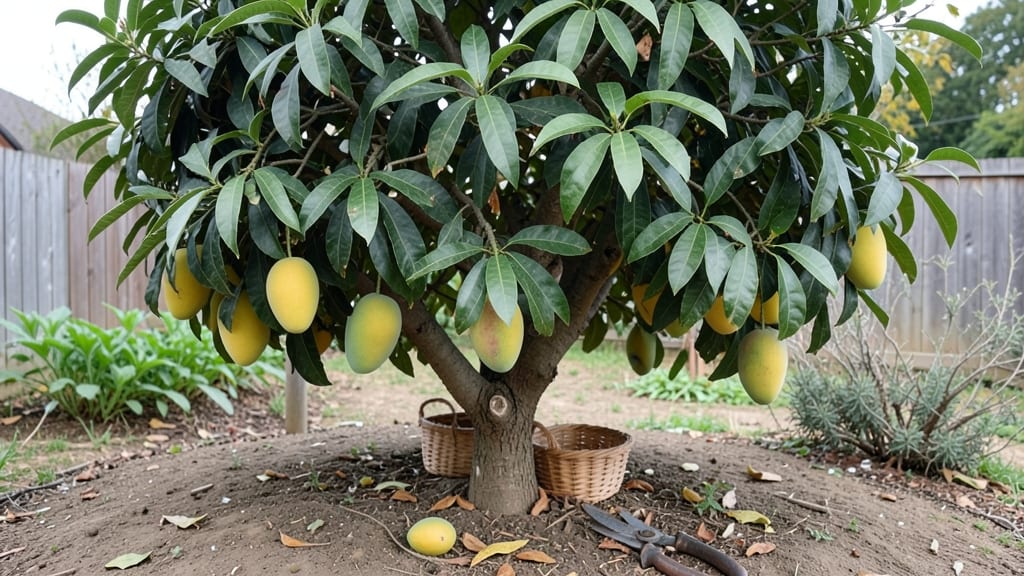
Yellow mango season arrives when the fruit transitions from green to golden perfection 🥭, offering gardeners and fruit lovers the chance to savor nature’s sweetest reward.
There’s nothing worse than biting into a mango that’s still hard or already mushy—timing the harvest is the difference between a burst of tropical flavor and a disappointing bite.
Whether you’re growing your own tree or buying from a market, knowing the exact cues can turn a good mango into a perfect one.
In this guide, I’ll walk you through the best times to pick yellow mangoes based on your climate zone, how to test for ripeness like a pro, and even how to stretch your harvest longer with simple storage tricks.
By the end, you’ll never miss the window again—just imagine the juicy payoff of a perfectly ripe mango, ready to enjoy or share.
When does yellow mango season peak? Climate Zones & ripening timeline
Yellow mango season peaks differently depending on your USDA climate zone, with Zones 10-11 enjoying year-round fruiting potential.
In these tropical paradises, you’ll find ripe yellow mangoes from late spring to early fall, while gardeners in Zone 9b (like coastal California) can expect a shorter but sweet summer harvest. The key? Understanding how temperature fluctuations accelerate or slow ripening.
For gardeners in Zones 8-9a, yellow mango season arrives as a delicate window between June and September, often triggered by the first heatwave after flowering. These zones demand extra care—protect young trees from unexpected cold snaps, which can stall fruit development.
Meanwhile, in Zones 10-11, mangoes ripen continuously, with peak yellow varieties like 'Keitt' and 'Haden' gracing trees from April through October.
Temperature plays a critical role in ripening speed. Yellow mangoes mature 30-50% faster in 85°F+ heat compared to cooler 75°F zones.
This means a Florida mango (Zone 10) might go from green to golden in 4-6 weeks, while a Southern California tree (Zone 9b) could take 6-8 weeks. Humidity also matters—high humidity speeds up sugar development, while dry conditions can lead to tougher, less flavorful fruit.
Planting timing sets the stage for your harvest. In Zones 10-11, you can plant year-round, but late winter (Feb-Mar) gives trees a head start before summer’s peak heat. For Zones 8-9a, aim for January-February to avoid spring frosts that can damage blossoms.
Dwarf varieties like 'Cogshall' ripen 2-4 weeks earlier than standard trees, giving you a staggered harvest for extended enjoyment.
Here’s how to track ripening stages with visual cues and scent triggers—critical for timing your pick perfectly:
In Zone 10-11, your yellow mango season starts in April with early varieties like 'Carrie' and peaks in July-August with 'Kent' and 'Julie'. These months align with high humidity and consistent 85°F+ temps, creating ideal ripening conditions.
Meanwhile, Zone 9b gardeners should watch for June heatwaves—this is when 'Keitt' mangoes turn from green to golden in just 3-4 weeks.
Pro tip: Use a harvest calendar to track your tree’s progress. Mark the day you spot the first yellow blush, then count 21-28 days until peak ripeness. In hotter zones, this window shrinks to 14-21 days—so check your mangoes every 3-4 days once they start
5 Signs your yellow mango is perfectly ripe (and 3 mistakes to avoid)
Yellow mangoes are nature’s sweetest reward when they reach peak ripeness—but spotting that perfect moment can be tricky. Unlike green mangoes, which ripen unevenly, yellow varieties like Keitt or Haden turn a vibrant golden hue when ready.
The challenge? Overripe fruit becomes mushy, while underripe mangoes stay tart and fibrous. I’ve learned the hard way that timing is everything, and these 5 foolproof signs will help you never miss the window again.
Even experienced gardeners make mistakes when harvesting mangoes. I once picked a batch too early because I ignored the scent test, only to discover they never softened properly. The good news?
Avoiding these 3 common errors will ensure you enjoy mangoes at their juiciest, most flavorful peak. Let’s dive into the science—and art—of picking yellow mangoes at their absolute best.
How to Tell When Your Yellow Mango Is Perfectly Ripe
-
1. Stem Snap Test
Gently twist the mango’s stem—it should snap cleanly from the branch. If it resists, it’s not ready yet.
-
2. Skin Blush
Look for a deep, even yellow (no green patches). Some varieties develop a red blush near the stem—this is a good sign.
-
3. Sweet Aroma
Crush a small spot near the stem—ripe mangoes release a fruity, sweet scent. No smell? It’s not ready.
-
4. Slight Give
Press gently near the stem—ripe fruit yields slightly (like a ripe avocado). If it’s rock-hard, wait a few days.
-
5. Seed Movement
Shake the mango gently—if the seed moves freely inside, it’s at peak ripeness. A fixed seed means it’s underripe.
Now that you know the 5 key indicators, let’s talk about the mistakes I’ve seen even seasoned gardeners make. The first is picking too early just because the mango is yellow.
Some varieties, like Kent, stay green longer and need the full stem snap test to confirm ripeness. Skipping this step leads to bland, mealy fruit—trust me, I’ve tasted it!
Another common error is ignoring the scent. I once bought a basket of yellow mangoes that looked perfect but had no aroma. They tasted like nothing more than a watery pulp. Always crush a tiny spot near the stem—if it doesn’t smell sweet, it’s not ready.
Finally, confusing variety-specific ripeness trips up gardeners. For example, Atkinson mangoes ripen redder than Cogshall, which stays yellow. Learn your tree’s habits!
Pro tip: If your mango isn’t quite ripe but you’re eager to enjoy it, place it in a paper bag with a banana or apple for 2-3 days. The ethylene gas from these fruits speeds up ripening.
Just don’t overdo it—once it’s soft, eat it fast! With these signs and mistakes in mind, you’ll never miss yellow mango season again.