
Pests
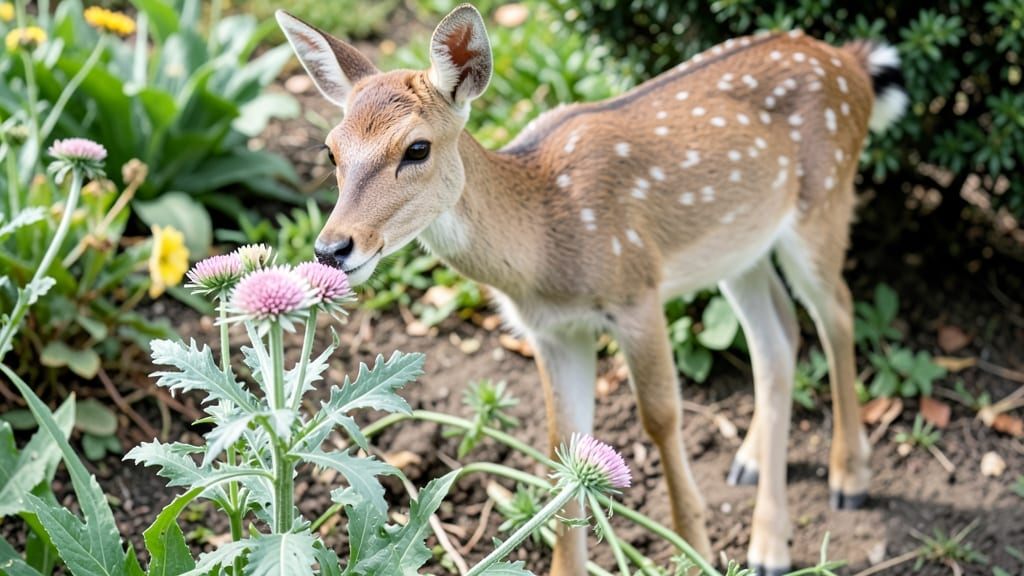
Achillea, or yarrow, is deer resistant because its strong fragrance and bitter compounds create a natural barrier that deer avoid. Varieties like 'Moonshine' and 'Red Velvet' are excellent choices for protecting gardens organically.
Deer tend to avoid yarrow primarily because its aromatic foliage contains volatile oils and bitter alkaloids that irritate their sensitive noses and digestive systems. 🌿 Unlike chemical repellents, Achillea provides a long-term solution since deer learn to associate its scent with discomfort.
The plant's feathery leaves and upright growth habit also make it less appealing for browsing compared to softer, more tender garden plants.
Beyond its natural repellent properties, Achillea offers additional benefits like drought tolerance and long bloom seasons, making it a practical addition to any deer-prone landscape. Many gardeners swear by its ability to protect neighboring plants without sacrificing beauty—its vibrant flowers add color while keeping critters at bay.
💡 In This Article
- Why Achillea Naturally Repels Deer
- Top 5 Achillea Varieties for Deer-Proof Gardens
Why Achillea naturally repels deer
Achillea's deer-deterrent superpowers come from its chemical defense system, primarily sesquiterpene lactones and volatile oils like chamazulene. These compounds create a pungent aroma that deer find overwhelming—similar to how humans recoil from strong garlic or onion scents.
The plant's leaves contain bitter alkaloids (up to 0.5% dry weight) that cause mild digestive discomfort if ingested, making deer instinctively avoid it. 🌿
What makes Achillea particularly effective is its fine, fern-like foliage structure, which releases these compounds continuously through tiny glandular hairs. Unlike broad-leaved plants, yarrow's delicate leaves maximize surface area for scent dispersion.
Studies show deer have an acute sense of smell (14 times stronger than humans') and will avoid plants emitting compounds like azulenes—which Achillea produces in abundance when crushed or stressed.
The plant's upright, bushy growth habit (typically 12-36 inches tall) creates a physical barrier while its bright flower clusters serve as visual deterrents. Deer prefer soft, low-growing plants for easy browsing—Achillea's structural rigidity makes it less appealing.
The combination of scent, taste, and texture creates a multi-sensory deterrent that's far more effective than single-factor repellents. 🦌
Interestingly, Achillea's repellent properties work best when plants are healthy and thriving. Stressed yarrow (from drought or poor soil) produces fewer defensive compounds, reducing its effectiveness. This explains why well-established Achillea plants in full sun with moderate water (about 1 inch per week) provide the strongest deer deterrence.
The plant's natural resilience also means it recovers quickly from light browsing attempts.
For maximum impact, pair Achillea with other deer-resistant plants like lavender or Russian sage, which share similar chemical profiles. The combined aromatic effect creates a "scent wall" that deer instinctively avoid.
This natural approach eliminates the need for chemical sprays while providing season-long protection (from early summer through fall). 🌟
What most gardeners don't realize is that Achillea's deer resistance extends to other pests too. The same compounds that deter deer also repel Japanese beetles and aphids, making it a multi-functional garden workhorse.
Its ability to thrive in poor, dry soils (pH 6.0-8.0) adds to its practicality for challenging landscapes. 💛