
Shrubs
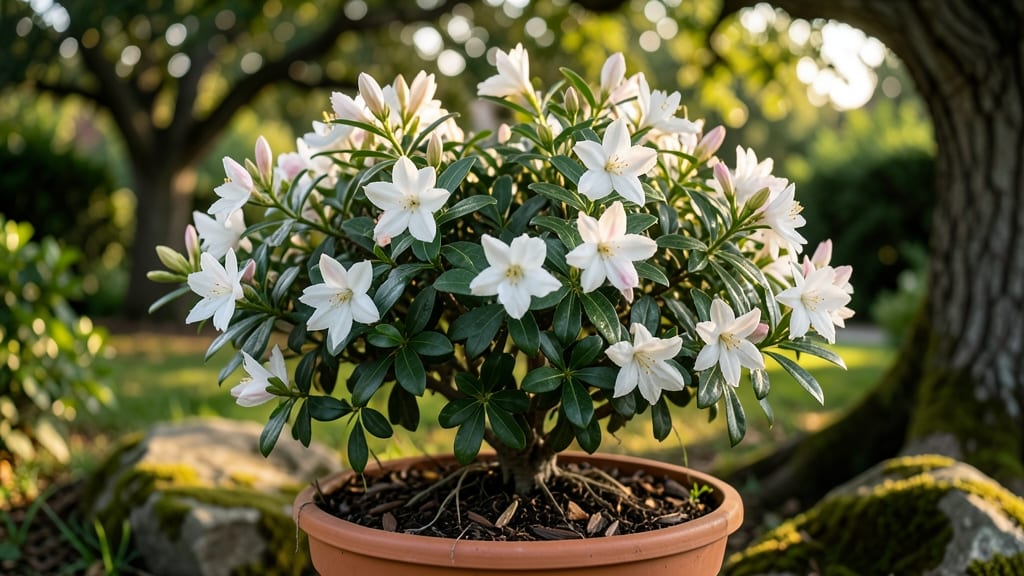
Your garden could smell like a desert oasis with Arabian jasmine—a thorn-free, evergreen shrub that bursts with fragrant white blooms all summer long. 🌿 I’ve grown this beauty for years, and it’s the only plant that makes my patio smell like a Moroccan evening without any thorns to ruin the vibe.
The secret to its success? Three simple trims a year—no complicated pruning required. It thrives in zones 7-10, loves well-draining soil, and handles heat like a champ. Once established, it’s nearly maintenance-free, with those intoxicating flowers lasting from spring through fall.
You’ll end up with a lush, fragrant canopy that hummingbirds adore and neighbors will envy. The glossy leaves stay green year-round, and the scent—oh, the scent—is pure magic at dusk. Perfect for hedges, containers, or climbing trellises.
Here’s how to get started without the overwhelm—because this shrub is simple once you know the basics.
📚 In This Guide
- What you need
- Instructions
- Tips and common mistakes
- Wrapping up and next steps
What you need
- ● Arabian jasmine plant: Start with a healthy nursery-grown shrub (3–6 inches tall) or propagate from cuttings (4–6 inches long, with at least 2–3 nodes).
- ● Well-draining potting mix: A blend of 50% peat moss or coco coir, 30% perlite/pumice, and 20% compost (for containers) or native soil amended with compost (for in-ground planting).
- ○ Container (optional but recommended for small spaces): Minimum 12-inch diameter pot for young shrubs.
- ● Drainage holes mandatory to prevent root rot.
- ● Fertilizer: Balanced 10-10-10 fertilizer (for established plants).
- ● Slow-release organic fertilizer (like 5-5-5) for potted shrubs.
- ● Pruning tools: Bypass pruners (for clean cuts on stems <1/4-inch thick).
- ● Loppers (for thicker branches).
- ● Sterilizing solution (rubbing alcohol or 10% bleach water) to disinfect tools.
- ● Mulch: 2–3 inches of organic mulch (e.g., shredded bark or pine needles) to retain moisture and regulate soil temp.
- ○ Support structure (optional): A small trellis or obelisk (3–4 feet tall) to train vining growth if desired.
- ● 🌡️ Climate prep: Arabian jasmine loves warmth (USDA Zones 9–11). If in cooler zones, grow in containers and bring indoors in winter.
- ● ✨ Watering must-haves: Keep soil consistently moist but not soggy—especially during flowering season (spring/summer).
- ● 🎯 Sunlight: Full sun (6+ hours daily) for best blooms, but tolerates partial shade in hot climates.
Simple steps to grow a fragrant Arabian jasmine shrub
Here's how to cultivate a lush, thorn-free Arabian jasmine with minimal effort—just focus on these three key trims.
🌱 Step 1: Choose the Right Location and Plant Properly
Arabian jasmine thrives in full sun to partial shade (at least 6 hours of sunlight daily). Pick a spot with well-draining soil—this shrub hates soggy roots. Dig a hole twice as wide as the root ball but only as deep as the container it came in. The top of the root ball should sit 1 inch above ground level.
Gently remove the plant from its container and loosen any circling roots with your fingers. Place it in the hole, backfill with soil, and water deeply to settle everything. I like to add a 2-inch layer of mulch around the base (but not touching the stem) to retain moisture and keep weeds away. This step ensures your jasmine starts with strong roots and the right conditions to grow fragrant.
☀️ Step 2: Water Consistently and Protect from Harsh Elements
Water your Arabian jasmine once a week during the first growing season, giving it about 1 gallon of water per foot of plant height. You'll know it's time to water when the top 2 inches of soil feel dry. Once established (after 1 year), it becomes drought-tolerant, but young plants need consistent moisture to develop a strong root system.
Here's the thing—this shrub is tender in cold climates. If you live in a zone below USDA Zone 9, plant it in a large container so you can move it indoors or under cover during winter. Watch for yellowing leaves in cold snaps—that's your signal to protect it. A light frost will kill it, so act fast if temperatures drop below 30°F.
✂️ Step 3: Trim for Shape and Encourage Fragrance
Prune your Arabian jasmine 3 times a year—right after flowering, in early summer, and again in late summer—to keep it compact and bushy. Use clean, sharp pruning shears to cut back 1/3 of the new growth after each flush of flowers. This encourages more blooms and a denser canopy. Always cut just above a leaf node or bud to promote new growth.
Here's what I do: After the first flush of flowers fades, I trim back the longest stems to 6-8 inches from the base. This prevents leggy growth and keeps the shrub full. The key is to never remove more than 1/3 of the plant at once—this ensures it stays healthy and keeps producing those fragrant white flowers you love.
🌿 Step 4: Fertilize Lightly for Healthy Growth
Feed your Arabian jasmine once in early spring with a balanced, slow-release fertilizer (like 10-10-10). Sprinkle about 1/2 cup of granules around the base, then water deeply to help it dissolve into the soil. Avoid over-fertilizing—this shrub prefers lean soil and too much nitrogen will result in lots of leaves but fewer flowers.
Watch for dark green, glossy leaves after fertilizing—that’s a sign your plant is happy. If you notice yellowing leaves or slow growth, cut back on the fertilizer. I also like to add a 1-inch layer of compost around the base in spring to give it a gentle nutrient boost without overdoing it.
Tips & tricks for perfect Arabian jasmine shrub growth
Between us, these simple tweaks will help your Arabian jasmine thrive with less effort and more fragrance.
Soil Preparation: Before planting, mix a handful of perlite or coarse sand into your native soil to improve drainage—this shrub absolutely hates soggy roots. I also recommend adding a slow-release granular fertilizer during planting to give it a head start. The 2-inch mulch layer mentioned in Step 1 works wonders for moisture retention, but avoid piling it against the stem to prevent rot.
Watering Wisdom: The once-weekly watering schedule works best when you check soil moisture first. Stick your finger 2 inches deep—if it feels dry, water deeply until it runs out the bottom of the pot or drainage holes. For container-grown plants, I've found using a moisture meter helps avoid both underwatering and overwatering, which can both stress the plant.
Pruning Precision: When you're cutting back those 1/3 of new growths during your three annual trims, focus on removing stems that are growing inward or crossing others. This creates better airflow and prevents disease. I've noticed the most fragrant blooms come from stems that receive full sun—so prioritize trimming any shaded branches during your late summer prune.
Cold Weather Protection: If you're in a zone colder than 9, don't wait until the first frost to move your container plant indoors. Watch for leaves starting to yellow or curl—this is your plant's distress signal. I keep mine in a bright, cool indoor spot (like near an east-facing window) until spring, which helps it recover faster when temperatures warm up again.
Pro Tips for Arabian Jasmine Shrub
- Between us, these simple tweaks will help your Arabian jasmine thrive with less effort and more fragrance.
- Soil Preparation: Before planting, mix a handful of perlite or coarse sand into your native soil to improve drainage—this shrub absolutely hates soggy roots.
- Watering Wisdom: The once-weekly watering schedule works best when you check soil moisture first.
Frequently asked questions
Got questions about your Arabian jasmine shrub?
Here are answers to the most common ones—from planting to pruning—so you can keep your fragrant beauty thriving effortlessly!
How fast does Arabian jasmine grow, and how big will it get?
Arabian jasmine grows at a moderate pace—about 12–24 inches per year—and typically matures into a 6–10-foot-tall, 5–8-foot-wide shrub. With proper pruning, you can shape it smaller or encourage a bushier form. Pro tip: Regular trims in late winter or early spring keep it compact and flowering its best!
When is the best time to prune Arabian jasmine for maximum blooms?
Prune your Arabian jasmine right after flowering (late spring to early summer) to encourage new growth and more blooms next season. Avoid heavy pruning in fall or winter, as it can reduce flowering. Light shaping trims in late winter (before buds swell) also work—just avoid cutting into old wood!
Why isn’t my Arabian jasmine flowering, even after years of growth?
Lack of blooms often stems from over-pruning in late winter (cutting back too aggressively when buds are forming) or poor sunlight. Ensure it gets 6+ hours of sun daily and prune only after flowering. Over-fertilizing with high-nitrogen feed can also delay blooms—use a balanced 10-10-10 or bloom-boosting fertilizer instead.
Is Arabian jasmine drought-tolerant once established?
Yes! Once established (after 1–2 years), Arabian jasmine is drought-tolerant and thrives with deep but infrequent watering. However, young plants need consistent moisture—water 1–2 times per week during dry spells. Mulching (2–3 inches) helps retain soil moisture and keeps roots cool.
What are some fragrant alternatives to Arabian jasmine with similar care?
If you love Arabian jasmine’s scent but want variety, try these low-maintenance, fragrant shrubs:
- Texas Ranger (Leucophyllum frutescens) – Drought-proof, blooms after rain, and thornless!
- Gardenia (Gardenia jasminoides) – Creamy white blooms with a tropical scent (needs slightly more humidity).
- Mock Orange (Philadelphus) – Highly fragrant, cold-hardy, and thrives in partial shade.
- Abelia (Abelia x grandiflora) – Blooms summer to fall with a jasmine-like fragrance.
Wrapping up and next steps
Growing an Arabian jasmine shrub is a rewarding journey that brings beauty, fragrance, and a touch of elegance to your outdoor space—without the hassle of thorns! 🌿 With the right trimming techniques, well-draining soil, and a bit of patience, you’ll enjoy a lush, fragrant canopy that thrives year after year.
Ready to take the next step? Start small—plant your shrub in a sunny spot, master the three simple trims, and watch it flourish. Soon, you’ll be the envy of your neighborhood with its intoxicating scent and effortless charm! 🌸