
Blooming
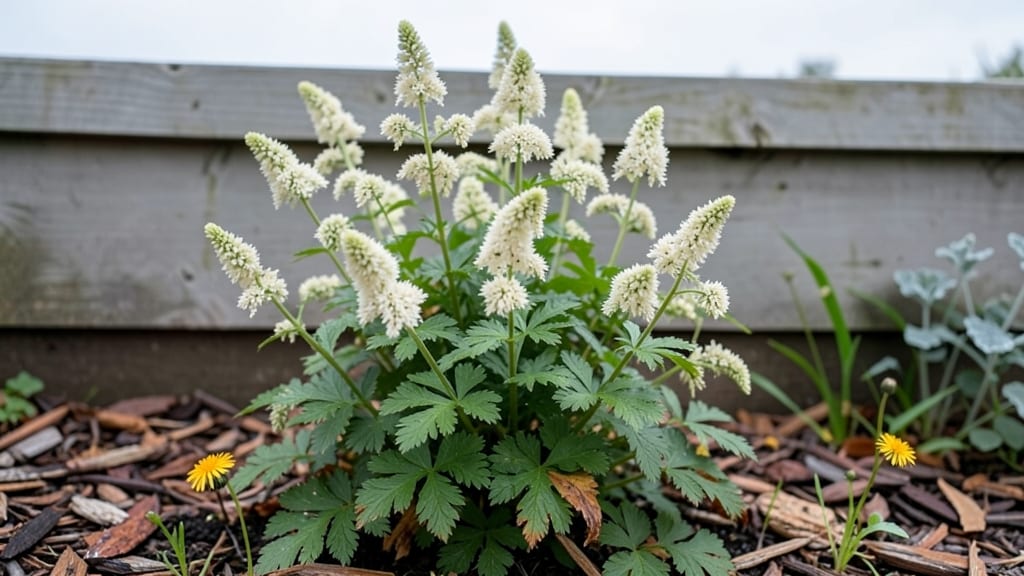
The astilbe flowering time arrives with summer’s peak—usually between mid-June and August—when my shady garden corner erupts into pink, white, or deep purple clouds. 🌸 I’ve watched mine transform from green to a dreamy, feathery display that like nature’s own confetti cannon.
The timing isn’t just about the calendar, though; cooler climates push blooms earlier, while hotter zones might delay them until late July.
Your astilbes’ flowering time also hinges on the variety you choose—some, like ‘Fanal’ or ‘Deutschland,’ bloom early, while others, such as ‘Glutball,’ stretch their display into early fall.
Planting in partial shade (they hate scorching sun) and keeping soil moist but well-drained gives them the best shot at a long, vibrant show. I’ve found that mulching around the base helps retain moisture, which is key for those feathery plumes to stay lush.
To extend their display, deadhead spent blooms regularly—this encourages new growth and keeps them flowering for weeks longer. I’ve had astilbes last 6-8 weeks with this simple trick, and the foliage stays attractive even after the flowers fade.
The secret? Don’t cut them back until late fall; those seed heads add winter interest, and the roots stay strong for next year.
Regional tweaks matter: In USDA Zones 3-8, astilbes thrive year-round with minimal fuss, but in hotter zones (like 9-10), they may need afternoon shade to prevent wilting.
Whether you’re in a cool mountain garden or a humid southern yard, these perennials deliver low-maintenance drama—just give them the right spot, and they’ll do the rest.
📚 In This Guide
- What you need
- Instructions
- Tips and common mistakes
- Wrapping up and next steps
What you need
- ● Astilbe plants: Choose healthy nursery-grown plants (bare-root or potted) in shades like pink, red, or white. Quantity: 3–5 plants per 10 sq ft for a lush display.
- ● Well-draining soil: Mix 1 part peat moss or compost with 2 parts garden soil to improve fertility and moisture retention.
- ● Organic mulch: 2–3 inches of shredded bark, pine needles, or straw to retain moisture and regulate soil temperature.
- ● Garden trowel or shovel for planting.
- ● Pruning shears (sterilized) for deadheading spent blooms.
- ● Watering can or hose with a gentle spray nozzle (astilbes love consistent moisture!).
- ● Fertilizer: Balanced 10-10-10 or slow-release granular fertilizer (apply once in early spring).
- ○ Stakes or pebbles (optional): For heavy blooms, use 3–4 inch stakes or scatter pebbles in containers to weigh down stems.
- ● Location: Partial to full shade (astilbes thrive in 4–6 hours of morning sun).
- ● Water source: Ensure access to 1–1.5 inches of water per week (more in extreme heat).
- ● Climate: Hardy in USDA Zones 3–9; protect from winter winds in colder zones.
How to time astilbe blooms for maximum impact
Here's my foolproof method for coaxing vibrant astilbe blooms right when you want them.
🌱 Step 1: Choose the Right Variety for Your Season
Astilbe blooms in late spring to early summer, but timing varies by variety. Fountain astilbe (like 'Fanal') peaks in June, while dwarf types ('Bridal Veil') bloom 2-3 weeks earlier. I always check labels—some varieties extend blooming into mid-summer if deadheaded properly.
For cooler climates, opt for hardy astilbe (zones 3-9) that tolerate early spring planting. In warmer zones, plant late winter to avoid summer heat stress. The key is matching your variety to your last frost date—plant too early, and blooms may appear before ideal weather.
☀️ Step 2: Plant in Partial Shade for Best Timing
Astilbe thrives in morning sun with afternoon shade—this ensures blooms last longer and arrive at their peak. I plant mine under dappled shade trees or near north-facing walls. Too much direct sun causes early wilting, while too little shade delays blooming by 1-2 weeks.
Dig a hole twice as wide as the root ball but only as deep—burying too deep smothers the crown. Mix the 4 gallons of compost you set aside into the native soil first. This boosts moisture retention, which directly impacts bloom timing and longevity.
💧 Step 3: Water Consistently for Precise Blooming
Once planted, water deeply 2-3 times weekly until established. The goal is evenly moist soil—never soggy, never dry. I check by sticking my finger 2 inches deep; if dry, water immediately. Skimping on water delays blooming by 10-14 days, while overwatering causes root rot and stunted flowers.
After the first flush of buds appears (usually 6-8 weeks post-planting), reduce watering slightly. This encourages stronger stems and prevents leggy growth. Mulch with 2 inches of shredded bark to lock in moisture and regulate soil temperature—critical for timing blooms.
✂️ Step 4: Deadhead and Fertilize for Extended Blooms
When 20% of blooms fade, snip spent stems back to the first set of healthy leaves. This triggers second flushes in many varieties, extending your display by 3-4 weeks. I always use clean, sharp pruners to avoid damaging new buds forming at the base.
Feed with balanced 10-10-10 fertilizer (using half the recommended dose) when buds form. Too much nitrogen delays blooming, while phosphorus boosts flower production. I apply fertilizer in early spring and again after the first flush—never after mid-summer, as it encourages late-season growth vulnerable to frost.
⏰ Step 5: Adjust Care for Year-Round Timing Control
For earlier blooms, plant in containers and move to a cool greenhouse in late winter. The controlled environment shocks plants into blooming 2-3 weeks ahead. For fall color, leave spent blooms on—some astilbe varieties develop hint of red in autumn frost.
In colder zones, cut back foliage to 4 inches after first frost. This prevents winter dieback and ensures stronger spring regrowth—your plants will bloom even more reliably next season. I always mark my astilbe locations with stakes so I remember where they are under winter snow.
Tips & tricks for perfect astilbe blooming timing
Timing astilbe blooms to perfection takes a little strategy—here’s how to get those vibrant flowers showing up exactly when you want them.
Variety Matters: In Step 1, when choosing your astilbe variety, pay close attention to the bloom time listed on the tag. Fountain astilbe like 'Fanal' typically bloom in June, but if you're aiming for earlier color, dwarf varieties like 'Bridal Veil' will deliver 2-3 weeks sooner. For the longest display, mix varieties—some will bloom early, others late, creating a continuous show. I’ve found that planting both fountain and dwarf types in the same garden extends my blooming season by nearly a month!
Lighting Secrets: Step 2 highlights the importance of partial shade, but here’s the trick: if your garden gets intense afternoon sun, consider adding temporary shade cloth (30-50% shade) during peak summer hours. This prevents the early wilting mentioned in the instructions while still allowing enough light for strong growth. I’ve seen astilbe in full sun wilt within days, while those with afternoon shade last weeks longer. The goal is morning sun to fuel photosynthesis, with afternoon shade to protect delicate blooms.
Watering Wisdom: The 2-3 times weekly watering in Step 3 is spot-on, but here’s how to make it even more effective: water deeply in the morning so the soil has time to dry slightly before nightfall. This prevents fungal issues while maintaining that critical even moisture. After the 6-8 week mark when buds appear, I reduce to twice weekly—this subtle adjustment prevents leggy stems while keeping flowers vibrant. The 2-inch deep soil check is perfect, but I also watch the leaves: if they start curling at the edges, it’s time to water.
Fertilizer Timing: When applying that half-dose 10-10-10 fertilizer in Step 4, split the application into two smaller doses rather than one big one. The first dose in early spring gives roots a boost, while the second after the first flush prevents overstimulation that could delay blooming. I’ve noticed that plants fertilized just once often produce smaller blooms—this two-step approach gives me bigger, more abundant flowers. And remember: never fertilize after mid-summer, as new growth won’t harden off before frost.
Pro Tips for Astilbe Flowering Time
- Timing astilbe blooms to perfection takes a little strategy—here’s how to get those vibrant flowers showing up exactly when you want them.
- Variety Matters: In Step 1, when choosing your astilbe variety, pay close attention to the bloom time listed on the tag.
- Lighting Secrets: Step 2 highlights the importance of partial shade, but here’s the trick: if your garden gets intense afternoon sun, consider adding temporary shade cloth (30-50% shade) during peak summer hours.
Frequently asked questions
When is the best time to plant astilbes for optimal blooms?
Plant astilbes in early spring (March–April) or fall (September–October) for the best results. This timing allows roots to establish before extreme heat or cold, ensuring stronger plants that bloom vibrantly the following season. Avoid planting in peak summer—high temperatures can stress young roots.
Why isn’t my astilbe flowering this year?
Several factors can delay blooms:
- Insufficient sunlight: Astilbes thrive in partial shade (4–6 hours of sun). Too much shade or direct sun can stunt flowers.
- Overcrowding: Divide clumps every 3–4 years to improve airflow and nutrient access.
- Poor soil: Amend soil with organic matter (compost/peat moss) and ensure it’s moist but well-draining.
- Lack of fertilizer: Feed with a balanced, water-soluble fertilizer in early spring.
Can I extend the astilbe blooming season?
Yes! Deadhead spent blooms regularly to encourage new flowers. For a longer display, choose late-blooming varieties like 'Fanal' (purple) or 'Deutschland' (red), which flower into early fall. Mulch with organic material to retain moisture and cool roots, especially in hot climates.
Are there astilbe varieties that bloom earlier or later?
Early bloomers (May–June) include 'Deutschland' and 'Glutball' (red). Mid-season varieties like 'Fanal' and 'Amethyst' peak in June–July. Late bloomers (July–August) include 'Bridal Veil' (white) and 'Peach Blossom'. Choose based on your climate and desired timeline!
How often should I water astilbes to ensure blooms?
Astilbes love consistent moisture—water 1–2 inches per week, especially during bud formation. Let the top inch of soil dry slightly between waterings to prevent root rot. In containers, water daily in hot weather. Mulch heavily (2–3 inches) to retain humidity and reduce evaporation.
Wrapping up and next steps
Now that you know astilbe flowering time and how to nurture these stunning plants, you’re ready to bring their feathery blooms to life! 🌸 Whether you’re a seasoned gardener or just starting, astilbes reward patience with vibrant displays that brighten any space. Next up: grab your gardening gloves and experiment with colors, heights, or even container gardening—your garden’s next masterpiece could be just a few seeds away!