
Pests and Diseases
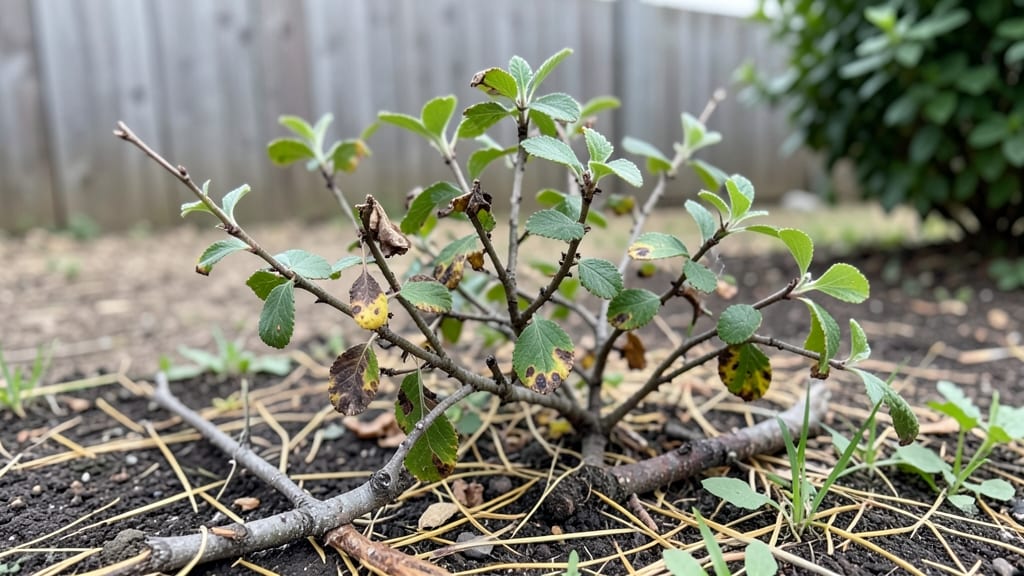
Barberry shrub disease can turn your prized ornamental into a sad, yellowing mess if you don’t catch it early. 🌿 I’ve watched rust spores spread across my own barberries like wildfire—turning vibrant green leaves into brittle, spotted husks within weeks.
The key to saving your plants isn’t just sprays or spades; it’s understanding the subtle signs before they become obvious.
Most barberry diseases start with tiny orange pustules or dark brown spots that look like someone dripped ink on the leaves. These are often fungal infections thriving in damp conditions, and once they take hold, they multiply faster than weeds in a spring rain.
The good news? You can stop them with proper spacing, air circulation, and a few targeted organic treatments that actually work—no harsh chemicals required.
By the time you see the first signs, you’ve already won half the battle if you act fast. Prune out infected branches immediately, then apply a copper fungicide or neem oil spray to break the cycle.
Within weeks, you’ll see fresh green growth pushing through, and your shrub will bounce back stronger than before—if you catch it early enough.
This isn’t just about treating symptoms; it’s about long-term care. Healthy barberries resist disease naturally, so we’ll cover soil prep, watering habits, and seasonal maintenance that keeps your shrubs thriving year after year—no more panic when the first spots appear.
Root Causes Of Shrub Ailments
Barberry shrubs, with their striking foliage and resilient nature, can still fall prey to diseases that weaken their health and beauty. Understanding why these issues arise is the first step toward prevention and treatment.
Below, we break down the most common culprits behind barberry shrub diseases, explained in clear, actionable terms.
🌡️ Fungal Infections: The Silent Invaders
Fungi thrive in moist, shaded environments, making them a leading cause of barberry shrub diseases. Two of the most notorious offenders are:
- Powdery Mildew: This fungal disease appears as a white, powdery coating on leaves, stems, and even buds. It spreads rapidly in humid conditions (60-80% humidity) and poor air circulation. Fungal spores germinate when temperatures hover between 60–80°F (15–27°C), making late spring and summer peak seasons for outbreaks. Overhead watering or dense plantings exacerbate the problem by creating a damp, enclosed environment.
- Leaf Spot Diseases (e.g., Septoria or Cercospora): These fungi create dark, irregular spots on leaves, often with yellow halos. They exploit wounded foliage or organic debris left on the soil surface. Rain splashing or infected pruning tools can spread spores, while high humidity and stagnant water provide the perfect breeding ground.
💡 Pro Tip: Fungi love moisture but hate airflow. Space shrubs 3–5 feet apart and prune for open canopies to reduce humidity pockets. Water at the base (not overhead) and avoid mulching too thickly near the stem.
🐛 Pest Damage: Weakening Defenses
Pests don’t just feed on barberry shrubs—they create entry points for diseases. Chewed leaves, sap-sucking insects, and burrowing larvae stress the plant, making it vulnerable to secondary infections. Key pests include:
- Japanese Beetles: These metallic-green invaders skeletonize leaves, leaving behind a lace-like pattern. Their feeding weakens the plant’s photosynthetic ability, reducing its energy to fight off pathogens like powdery mildew.
- Spider Mites: In dry, hot conditions, these tiny arachnids suck plant sap, causing stippling and yellowing. Their fine webbing traps moisture, creating ideal conditions for fungal growth.
- Scale Insects: These sap-sucking pests excrete honeydew, a sticky residue that attracts sooty mold—a black fungal growth that smothers leaves and blocks sunlight.
🔥 Actionable Fix: Introduce beneficial insects like ladybugs or lacewings to control pests naturally. For severe infestations, use neem oil (a mild pesticide that also has antifungal properties) or insecticidal soap. Regularly inspect the undersides of leaves where pests hide.
🌧️ Environmental Stressors: Nature’s Push Factors
Barberry shrubs are hardy, but extreme or inconsistent environmental conditions can compromise their immunity. Here’s how:
| Stressor | How It Causes Disease | Solution |
|---|---|---|
| Poor Drainage | Waterlogged soil suffocates roots, starving the shrub of oxygen and nutrients. Weak roots can’t absorb water efficiently, leading to fungal root rot (e.g., Phytophthora). | Amend soil with compost or sand to improve drainage. Plant on a slight slope or in raised beds. |
| Nutrient Deficiencies | Lack of nitrogen, phosphorus, or potassium weakens the shrub’s cell walls, making it easier for pathogens to invade. Yellowing leaves (chlorosis) signal nitrogen deficiency, while stunted growth may indicate phosphorus or potassium issues. | Test soil and apply a balanced fertilizer (e.g., 10-10-10) in early spring. Mulch annually with compost to replenish nutrients. |
| Temperature Extremes | Sudden freeze-thaw cycles or heatwaves shock the plant, causing cellular damage that opens doors for bacteria (e.g., Xanthomonas) or fungi. Cold stress also reduces winter hardiness, leaving shrubs vulnerable in early spring. | Choose cold-hardy varieties (e.g., Berberis thunbergii) and mulch heavily in winter. Avoid planting in low-lying areas where cold air settles. |
🌡️ Climate Hack: Monitor your local microclimate. If your garden is prone to high humidity, opt for drought-tolerant barberry varieties like Berberis verruculosa. For hot climates, provide afternoon shade to prevent heat stress.
🌱 Cultural Mistakes: Human Errors
Even the most resilient shrubs suffer when basic care rules are ignored. Common gardening blunders that invite disease include:
- Overcrowding: Dense plantings block airflow and increase humidity around leaves, perfect conditions for fungal spores to germinate. Aim for 3–5 feet of spacing between mature shrubs.
- Improper Pruning: Cutting too late in the season (after summer) or using contaminated tools spreads pathogens. Prune in early spring (before new growth) and sterilize shears with rubbing alcohol between cuts.
- Ignoring Debris: Leaves, twigs, and fallen fruit left on the ground create fungal hotspots. Remove all organic debris in fall and mulch only 2–3 inches deep to prevent smothering.
- Overwatering: While barberries tolerate drought, consistent soggy soil invites root rot. Water deeply but infrequently (1–1.5 inches per week) and let the top inch of soil dry out between waterings.
✨ Prevention Gold Standard: Adopt a “less is more” approach. Thin out overgrown shrubs, prune strategically, and rotate mulch annually to break disease cycles. A clean garden is a healthy garden.
Fixing Fungal Foes and Shrub Struggles
Reviving a diseased barberry shrub starts with pinpointing the culprit—and then taking swift, targeted action. Below, we map the most common barberry shrub diseases to practical fixes, from quick remedies to long-term prevention. Think of this as your battle plan for a healthier, happier shrub!
Fungal diseases like powdery mildew, rust, and leaf spot thrive in damp, shaded conditions. Here’s how to tackle them:
🔪 Step 1: Prune for Better Airflow
- Remove infected leaves (especially yellow/brown or covered in spots) with sterilized pruners (wipe with rubbing alcohol between cuts).
- Thin out dense branches to improve sunlight penetration—fungi love shade and humidity.
- Clean up fallen leaves under the shrub (they’re fungus incubators!).
🍳 Step 2: Apply Fungicidal Sprays
- Neem oil spray (natural, organic option): Mix 1 tsp neem oil + 1 tsp mild soap + 1 quart water.
Spray every 7–10 days until symptoms fade. - Copper fungicide (for rust/leaf spot): Follow label instructions—reapply after rain. - Baking soda spray (for powdery mildew): 1 tbsp baking soda + 1 tsp oil + 1 gallon water. Spray weekly in the morning.
🌡️ Step 3: Adjust Growing Conditions
- Water at the base (avoid wetting foliage) in the early morning so leaves dry quickly.
- Space shrubs 3–5 feet apart to reduce humidity buildup.
- Mulch with gravel or bark (not thick organic mulch) to improve drainage.
If spider mites, scale insects, or Japanese beetles are weakening your barberry, act fast:
👨🍳 Step 1: Blast Off Pests with Insecticidal Soap
- Homemade recipe: 2 tbsp castile soap + 1 quart water. Spray directly on pests (avoid hot sun—can burn leaves).
- Repeat every 5–7 days until pests disappear.
🔥 Step 2: Introduce Beneficial Predators
- Ladybugs (eat aphids/scale).
- Praying mantises (devour beetles).
- Nematodes (for soil-dwelling pests like grubs).
⏰ Step 3: Set Up Physical Barriers
- Floating row covers (for beetles).
- Sticky traps (for mites).
- Neem oil spray (disrupts pest life cycles).
If your barberry shows wilting, stunted growth, or blackened roots, soil health may be the problem.
💡 Step 1: Test and Amend the Soil
- Test pH (barberries prefer slightly acidic to neutral, 6.0–7.0).
- Add compost (1–2 inches around the base) for nutrients.
- Improve drainage if soil stays soggy: Mix in sand or perlite.
🎯 Step 2: Fertilize Smartly
- Use a balanced fertilizer (10-10-10) in early spring.
- Avoid high-nitrogen fertilizers (they encourage soft, pest-attracting growth).
- Slow-release granules work better than quick-release options.
✨ Step 3: Consider Root Treatments
- Mycorrhizal fungi (boosts root health—apply at planting or when transplanting).
- Hydrogen peroxide spray (3%, diluted 1:10) on roots to kill harmful bacteria/fungi.
Once your barberry is healthy, lock in those gains with these pro tips:
- 🌿 Rotate fungicides (don’t use the same one repeatedly—resistance builds!).
- 🍂 Clean tools after every use (bleach or alcohol wipes).
- 🌞 Plant in full sun (6+ hours daily)—fungi hate dry conditions.
- 🌱 Choose disease-resistant varieties (e.g., Berberis thunbergii ‘Rose Glow’).
- 🚫 Avoid overhead watering (use drip irrigation or soaker hoses).
Final Thought: A little early intervention and consistent care can turn a struggling barberry into a thriving garden star. Start with the fixes above, then keep an eye out for signs of trouble—your shrub will thank you with vibrant foliage and years of beauty! 🌿✨
Frequently asked questions about barberry shrub diseases
What are the most common signs of fungal infections in barberry shrubs?
Look for white powdery coatings (powdery mildew), orange pustules (rust), or dark brown spots with yellow halos (leaf spot). These often appear on leaves first, especially in damp or shaded areas. Early detection is key—remove infected leaves immediately and improve airflow around the plant.
Can I save my barberry if it already has severe rust or leaf spot?
Yes, but act fast! Prune out all infected branches with sterilized tools, then apply a copper fungicide or neem oil spray. For severe cases, repeat treatments every 7-10 days and improve growing conditions (better spacing, less overhead watering). Healthy new growth should emerge within 4-6 weeks if the root system is still strong.
How do I prevent diseases from spreading to other plants in my garden?
Isolate infected barberries until they're disease-free, then sterilize tools between uses. Avoid overhead watering (use drip irrigation instead) and remove fallen leaves/debris from the area. Fungal spores can travel via wind or water, so keeping your garden clean is your best defense.
Are there any organic treatments that actually work for barberry diseases?
Neem oil (mixed with mild soap) works against many fungal diseases, while baking soda spray (1 tbsp baking soda + 1 tsp oil + 1 gallon water) is excellent for powdery mildew. For pests that weaken plants, insecticidal soap or introducing ladybugs can prevent secondary infections.
My barberry looks healthy but isn't growing. Could it still have an underlying disease?
Yes—some diseases like root rot or bacterial infections don't show above-ground symptoms immediately. Check for yellowing leaves (nutrient deficiency), stunted growth (poor drainage), or blackened roots (rot). Dig up a small section of root to inspect if you suspect hidden problems.