
Size
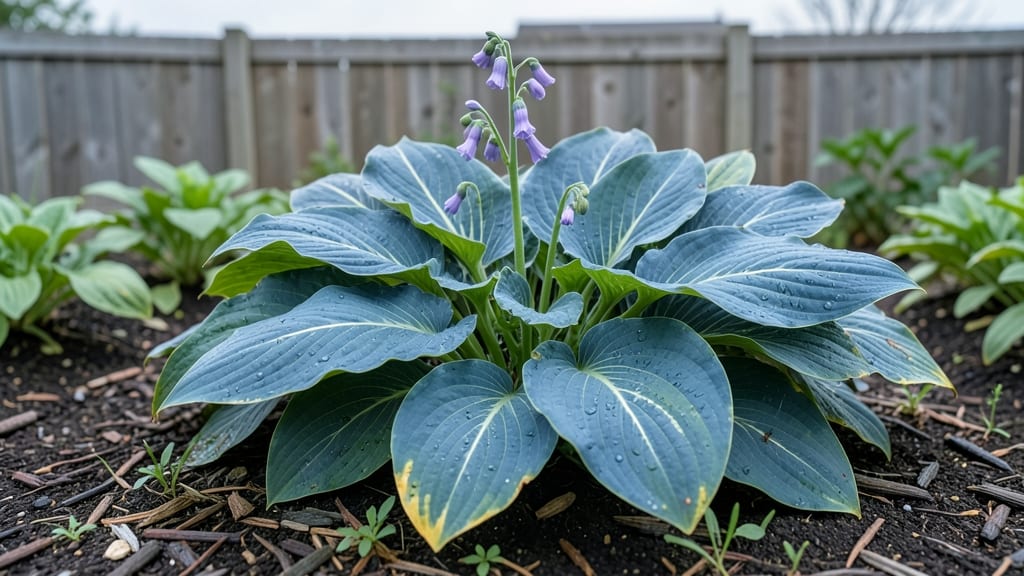
The biggest blue hosta varieties are 'Blue Angel', 'Blue Giant', and 'Patriot', each reaching 3-5 feet wide with towering 18-24-inch leaves in stunning deep blue-green tones.
These massive hostas aren't just about size—their genetic dominance makes them stand out in shady gardens. 🌿 The 'Blue Giant' variety, for instance, can spread aggressively, creating a stunning blue-green carpet that thrives in partial shade while smaller hostas struggle.
Their broad leaves also make them ideal for creating dramatic focal points in landscape designs, especially when paired with ferns or other shade-loving perennials.
What's fascinating is how their root systems adapt to moisture-rich soils, allowing them to grow larger than most ornamental plants. This makes them perfect for gardeners with damp, well-drained areas who want to make a bold statement without sacrificing hardiness.
💡 In This Article
- Why Blue Hosta Plants Grow So Large
- Caring for Giant Blue Hosta Varieties
Why blue hosta plants grow so large
Here's what's actually happening beneath the soil: these giant blue hostas achieve their massive size through a combination of genetic dominance and optimized growth conditions.
The deep blue-green foliage you admire comes from high anthocyanin production—these pigments aren't just for color, they act as natural sunscreen, allowing leaves to absorb more light energy for photosynthesis while protecting against UV damage.
This gives them a competitive edge over smaller varieties that would otherwise get sunburned in bright shade conditions.
The key factor is their fibrous root system that spreads aggressively horizontally. Unlike smaller hostas with shallow roots, these giants develop roots that can extend 3-4 feet wide within just a few years.
This root network creates a massive water and nutrient collection area, similar to how oak trees develop extensive root systems. The roots also produce growth hormones that stimulate leaf expansion—'Blue Giant' can develop leaves reaching 12-18 inches long and 8-12 inches wide, about 3-4 times larger than dwarf varieties.
Moisture retention plays a crucial role too. These hostas thrive in soils that stay consistently damp but well-drained—think of them as moisture sponges. Their thick, waxy leaves reduce water loss through transpiration, while the roots actively seek out groundwater.
In ideal conditions (partial shade with morning sun), they can grow 6-12 inches taller annually and spread 1-2 feet per year. The secret weapon? Their ability to store water in fleshy leaf bases, which acts like a built-in reservoir during dry spells.
Light management is where these giants truly excel. While most hostas prefer shade, these blue varieties have adapted to filter light more efficiently through their thick leaves. They can handle 2-4 hours of morning sun without leaf scorch, giving them an advantage in gardens with partial sunlight.
The blue pigment actually helps reflect excess light energy, preventing heat buildup that would stress smaller cultivars.
What most people don't realize is how these plants outcompete weeds through sheer biomass. Their rapid early growth creates a dense canopy that blocks light to the soil surface, smothering weeds naturally.
The Patriot variety, for example, develops such thick foliage that it can reduce soil evaporation by up to 40% compared to bare ground, creating a self-sustaining microclimate that benefits nearby plants.
For gardeners, this means you're not just getting big plants—you're getting a self-maintaining ecosystem. The trade-off? Their aggressive growth requires regular division every 3-5 years to prevent overcrowding. But the payoff is worth it for those dramatic 18-24 inch leaves that make every garden statement-worthy. 💫