
Flowers
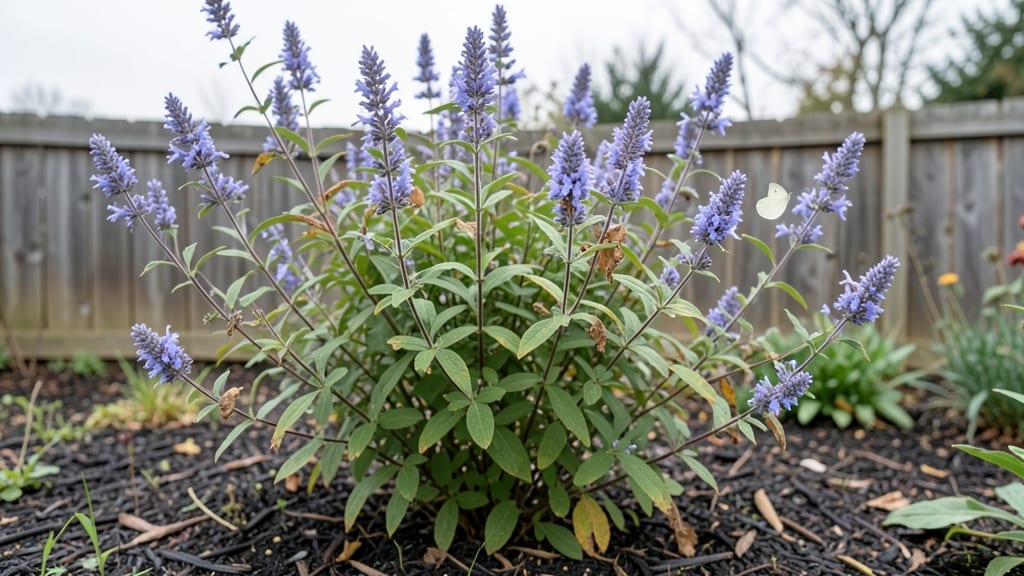
Mastering blue flower shrub identification is like uncovering spring’s best-kept secrets—my first glimpse of a stunning blue hydrangea transformed my garden borders forever. that?" The trick isn’t just spotting them; it’s knowing which thrive in your climate and how to pair them for maximum impact.
These shrubs aren’t just pretty—they’re workhorses. Take Caryopteris, with its airy lavender-blue blooms that attract butterflies all summer, or Buddleia, whose deep blue spikes add height and drama. I’ve used them as focal points in mixed borders, where their color contrasts beautifully with silvery foliage or bold greens.
The key? Plant them where they’ll get the right sunlight and soil drainage.
What you’ll get is a garden that pops with color without needing annuals. Imagine a blue hydrangea anchoring a shady corner while Caryopteris softens a sunny hedge line.
The blooms last longer when you deadhead spent flowers and prune at the right time—simple steps that keep them looking fresh for months. These shrubs also play well with others, so we’ll cover the best companions to make your design sing.
Whether you’re revamping a foundation planting or adding a pollinator-friendly hedge, these blue beauties deliver year after year. Let’s dive into the specifics of what to plant and how to make them shine in your space.
Why Blue Blooms Fade Fast
If you’re searching for blue flower shrubs that stay vibrant all season, you’ve likely noticed some varieties struggle to maintain their color intensity. While deep blues are stunning, they’re also some of the trickiest hues to keep true in gardens.
Here’s why these shrubs sometimes lose their signature color—and what’s really behind it.
Blue pigments in flowers, like anthocyanins, are sensitive to intense sunlight and high temperatures. When shrubs like Caryopteris or Agapanthus are exposed to prolonged heat, their cells produce more chlorophyll (the green pigment) to protect themselves.
This can dilute or even mask the blue hue, turning blooms into a pale, washed-out lavender or greenish shade.
💡 Pro Tip: Plant blue-flowering shrubs in partial shade (especially in hot climates) or provide afternoon shade to preserve their color. Mulching with organic material (like wood chips) also helps regulate soil temperature.
Blue flowers often thrive in slightly acidic to neutral soil (pH 6.0–7.0). If your soil is too alkaline (high pH), the shrub may struggle to absorb essential nutrients like phosphorus and iron, which are critical for pigment production.
Poor watering—either overwatering (leading to root rot) or underwatering (causing stress)—can further disrupt nutrient uptake, causing blooms to fade prematurely.
🔍 Test Your Soil: Use a simple pH test kit to check your garden’s acidity. If it’s too alkaline, amend with peat moss or sulfur to lower pH. For watering, aim for 1–1.5 inches per week, adjusting for your climate.
Blue flowers rely on specific nutrients to maintain their vibrant color. A deficiency in magnesium (a key component of chlorophyll) or boron (which aids in flower development) can lead to pale, dull blooms.
For example, Hydrangea macrophylla (which can produce blue flowers when soil is acidic) may revert to pink if calcium levels spike or magnesium drops.
📊 Fix It Fast:
- Apply a balanced fertilizer (10-10-10) in early spring.
- For magnesium, use Epsom salt (1 tbsp per gallon of water) as a foliar spray.
- Avoid over-fertilizing with nitrogen, which can promote leafy growth at the expense of flowers.
Certain pests, like aphids, spider mites, or scale insects, feed on plant sap and weaken shrubs, leading to stunted growth and poor flower color. Diseases such as powdery mildew (common in humid climates) can also coat leaves and flowers, blocking sunlight and causing discoloration. If a shrub is already stressed, its ability to produce vibrant blue pigments diminishes.
🛡️ Preventative Care:
- Inspect shrubs regularly for pests or fungal spots.
- Use neem oil or insecticidal soap for mild infestations.
- Improve air circulation by pruning dense branches and avoiding overhead watering.
Not all blue-flowering shrubs are created equal. Some varieties, like Salvia ‘May Night’ or Lavender, have true blue blooms, while others (such as Buddleia) produce purples that can shift with light and age. Additionally, hybrid shrubs may revert to their parent plant’s traits over time, leading to unexpected color changes.
✨ Choose Wisely: When selecting shrubs, opt for proven blue varieties and ask local nurseries about their color consistency. If you’re growing from seed, be prepared for potential variations in hue.
Quick Fixes for Common Shrub Struggles
If your blue-flowering shrubs aren’t thriving, don’t panic—most issues have simple, effective solutions. Below, we break down the most common problems and how to tackle them, plus tips to keep your shrubs blooming beautifully for years.
Why it happens: Overpruning, poor soil, or lack of sunlight can stunt flowering.
How to fix it:
- 🔥 Prune at the right time – Trim back dead or overgrown branches after blooming season (late winter or early spring for most perennials). Avoid heavy cuts in fall, as this removes next year’s buds.
- 🍳 Feed with the right nutrients – Use a balanced, slow-release fertilizer (10-10-10 or 20-20-20) in early spring. For blue-flowering shrubs like Salvia or Caryopteris, a low-phosphorus option prevents leggy growth.
- 👨🍳 Boost sunlight exposure – Most blue bloomers need 6+ hours of sun daily. If yours is shaded, consider relocating or thinning nearby trees.
💡 Prevention tip: Mulch with 2-3 inches of organic matter (like shredded bark) to retain moisture and improve soil health.
Why it happens: Overwatering, underwatering, or fungal diseases (like powdery mildew) can cause leaf stress.
How to fix it:
- 🥘 Check the soil moisture – Stick your finger 1-2 inches deep; if dry, water deeply. If soggy, reduce watering and improve drainage by amending soil with perlite or sand.
- 🔪 Trim affected foliage – Snip off yellow or spotted leaves to prevent spread. Dispose of them in the trash (not compost).
- 🌡️ Treat fungal issues – Spray with a copper fungicide or neem oil every 7-10 days until symptoms improve. Improve airflow by pruning dense branches.
🎯 Prevention tip: Water at the base (not overhead) and early in the day to let leaves dry quickly.
Why it happens: Aphids, spider mites, or Japanese beetles love tender new growth.
How to fix it:
- 🔥 Blast off pests – Spray with a strong stream of water to dislodge soft-bodied insects like aphids. For mites, use insecticidal soap (follow label rates).
- ⏰ Set up traps – For Japanese beetles, use beetle traps (but place them far from shrubs to avoid attracting more).
- 🌿 Encourage natural predators – Ladybugs and lacewings eat aphids. Attract them with native flowering plants like dill or marigolds.
✨ Prevention tip: Prune regularly to remove hiding spots for pests and keep shrubs healthy and vigorous.
Why it happens: Freeze-thaw cycles or harsh winds can stress shrubs, leading to dieback.
How to fix it:
- 🔥 Protect young or tender shrubs – Wrap them in burlap or use frost blankets in late fall. Remove after the last frost.
- 🍳 Mulch heavily – Add 4-6 inches of straw or wood chips around the base to insulate roots.
- 🌡️ Avoid pruning in winter – Wait until early spring to assess damage and trim dead branches.
💡 Prevention tip: Choose cold-hardy varieties like Russian sage (Perovskia) or Butterfly bush (Buddleia) for your climate zone.
Final Thought: Most shrub issues are preventable with consistent care. Monitor your plants regularly, adjust watering as seasons change, and prune strategically. With these fixes, your blue-flowering shrubs will reward you with vibrant blooms year after year! 🌿💙
Frequently asked questions
What are the most reliable blue-flowering shrubs for beginners?
Start with Caryopteris (bluebeard) for its drought-tolerant nature and butterfly magnet appeal, or Russian sage (Perovskia) for its silvery foliage and long-lasting lavender-blue spikes. Butterfly bush (Buddleia) is another great choice, though its blooms lean more purple. These thrive in full sun and need minimal care once established.
Why do some blue shrubs turn purple or pink instead?
Many "blue" shrubs actually produce pigments called anthocyanins, which shift colors based on soil pH and sunlight. For true blue blooms, opt for Salvia ‘May Night’ or Agapanthus—these are less prone to color changes. Hydrangeas require acidic soil (pH 5.5 or lower) for blue flowers.
How can I make my blue shrubs bloom longer?
Deadhead spent flowers regularly to encourage reblooming, and fertilize lightly with a low-nitrogen, high-phosphorus formula (like 5-10-5) in early summer. Most blue shrubs benefit from 6+ hours of sunlight daily, so prune nearby trees if needed. Mulch with organic matter to retain moisture and reduce stress.
Are there any blue shrubs that attract pollinators?
Caryopteris and Buddleia are top picks for butterflies, while Salvia varieties draw hummingbirds and bees. Plant them near other pollinator-friendly shrubs like lavender or butterfly bush for a vibrant, buzzing garden. These shrubs thrive in well-drained soil and full sun.
Can I grow blue-flowering shrubs in containers?
Yes, but choose compact varieties like dwarf butterfly bush (Buddleia ‘Lo & Behold’) or miniature Caryopteris. Use a well-draining potting mix with added perlite, and ensure containers have drainage holes. Water consistently but avoid soggy soil—most blue shrubs prefer slightly dry conditions. Rotate pots occasionally for even growth.