
Trees
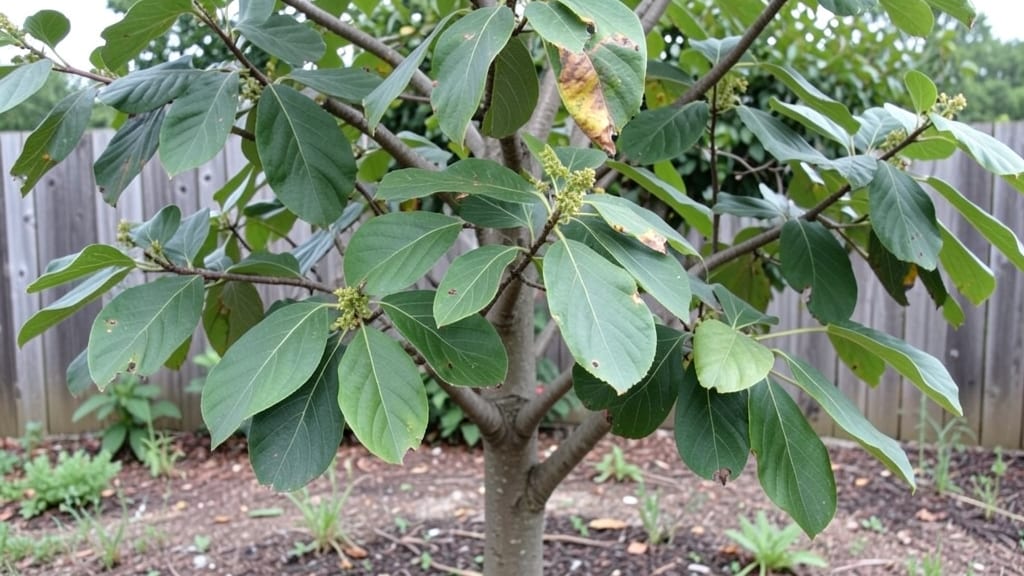
When you rake up those common persimmon tree leaves in fall, you’re not just clearing yard work—you’re unlocking a free, weed-blocking mulch that outperforms store-bought options. 🌿 I’ve used them for years to smother weeds in my garden beds, and the results are shockingly effective: fewer weeds, moister soil, and a natural decomposition process that feeds the earth.
The secret lies in their thick texture and slow breakdown—unlike fast-rotting leaves, persimmon leaves suppress weeds for months while gradually enriching the soil. Just spread a 2- to 3-inch layer around plants in early spring or fall, and you’ll spend less time pulling weeds and more time enjoying your garden.
It’s the ultimate upcycling hack for anyone with a persimmon tree.
📚 In This Guide
- What you need
- Instructions
- Tips and common mistakes
- Wrapping up and next steps
What you need
- ● Fresh or dried persimmon leaves – Collect at least 5–10 gallons (or ~2–3 large bags) from healthy trees. Aim for yellowing or fallen leaves (avoid diseased ones).
- ● Garden gloves – A pair of nitrile or leather gloves to protect your hands from thorns or rough edges.
- ● Pruners or sharp scissors – Bypass pruners (for clean cuts) or heavy-duty scissors to harvest leaves efficiently.
- ● Garden rake or pitchfork – A 4–6 tine rake to spread leaves evenly or a heavy-duty pitchfork for bulk tasks.
- ● Shovel or spade – A round-point shovel (for mulching) or a garden spade to loosen soil before applying.
- ○ Watering can or hose – A 5-gallon watering can or soaker hose to moisten leaves before mulching (optional but helpful for decomposition).
- ● Compost bin or black plastic bags – For pre-composting leaves if you want finer mulch later.
- ● Leaf shredder – A manual or electric shredder to break leaves into smaller pieces (speeds up decomposition).
- ● Wood chips or straw – Mix in 2–3 inches of wood chips/straw to boost weed suppression.
- ● Compost accelerator – A sprinkle of compost tea or worm castings to jumpstart decomposition.
- ● Knee pads – Because mulching is a labor of love (and your knees will thank you!).
Step-by-step guide for using common persimmon leaves as mulch
Here’s how to transform fallen persimmon leaves into a powerful, weed-suppressing mulch that boosts soil health effortlessly.
🌿 Step 1: Collect and Prepare the Leaves
Rake up dry, fallen persimmon leaves from your yard or a nearby natural area—avoid wet leaves, as they’ll mat and trap moisture, inviting fungal issues. I spread a tarp beneath the tree to gather a 5-10 gallon batch at once, making the process efficient. Shake the leaves vigorously to remove debris like twigs or dirt, which can harbor pests or diseases.
Break any thick stems or tougher leaves by hand or with a pair of pruning shears—this ensures they’ll decompose faster and blend into the soil more uniformly. The goal is to create a fine, even mulch layer that won’t smother plants but will still block weeds. If the leaves are particularly coarse, run them over a leaf shredder for quicker breakdown.
🪴 Step 2: Apply a Thin, Even Layer Over Soil
Spread the prepared leaves in a 2-3 inch thick layer over the soil around your plants, focusing on garden beds, shrubs, or tree bases. Avoid piling leaves directly against plant stems—this can cause rot by trapping excess moisture. I like to rake the edges neatly to create a clean border, especially around ornamental plants where aesthetics matter.
For new plantings, wait 2-3 weeks after transplanting before applying mulch to allow roots to establish without competition. You’ll notice fewer weeds poking through within 3-4 weeks of consistent mulching, as the dense leaf layer blocks sunlight that weeds need to germinate. This method works best in spring or early summer, when soil temperatures are warm enough to encourage decomposition.
✂️ Step 3: Refresh and Maintain the Mulch Layer
Every 4-6 weeks, fluff the mulch layer with a rake to aerate it and prevent compaction. Over time, the leaves will break down and mix into the topsoil, enriching it with organic matter. Add fresh leaves as needed to maintain the 2-3 inch thickness—this ensures continuous weed suppression without smothering your plants.
In late fall, rake up any remaining mulch and compost it for next year’s use. Persimmon leaves decompose slowly, so they won’t deplete soil nutrients quickly, but refreshing the layer keeps it effective. Watch for signs of over-mulching, like yellowing leaves or fungal growth on stems—this usually means the layer is too thick or too wet.
💧 Step 4: Monitor Moisture and Adjust as Needed
Persimmon leaf mulch helps retain soil moisture, but it’s not a substitute for regular watering. Check the soil 1 inch below the mulch layer—if it feels dry, water deeply around the base of plants. The mulch should stay slightly damp to the touch, not soggy. Overwatering can lead to anaerobic conditions, which slows decomposition and may harm roots.
If you notice mold or a musty smell, the mulch is too thick or the area isn’t getting enough airflow. Break up clumps and spread the leaves more thinly. In hot, dry climates, you might need to water more frequently to keep the mulch from drying out completely. The ideal balance is a moist but not waterlogged layer that stays in place without blowing away.
☀️ Step 5: Enhance Soil Health Over Time
As the persimmon leaves decompose, they’ll release nutrients like potassium and phosphorus, improving soil structure and microbial activity. After 6-12 months, you’ll see richer, darker soil with better water retention. I often mix a handful of compost or worm castings into the top layer of mulch to speed up nutrient release and support beneficial fungi.
This mulch is especially effective for vegetable gardens, berry patches, and perennial beds, where weed competition is intense. For acid-loving plants like blueberries or azaleas, persimmon leaves add a subtle acidity boost over time. Just avoid overdoing it—too much can make the soil too acidic for sensitive plants like tomatoes or peppers.
Tips & tricks for perfect persimmon leaf mulch
Transforming fallen persimmon leaves into an effective mulch system takes a few key strategies to maximize their benefits while avoiding common pitfalls.
Leaf Selection Matters: Focus on collecting only completely dry persimmon leaves—any moisture will cause them to clump and create an anaerobic environment that invites fungal growth. I've learned this the hard way after seeing mold develop in my garden beds from using damp leaves. For best results, gather leaves on a dry, sunny day when they're crisp and brittle. If you're collecting from multiple trees, spread the leaves out on a tarp for 24 hours to ensure complete dryness before using.
Texture is Everything: The finer you can break down the leaves, the faster they'll decompose and blend into the soil. While the instructions mention using pruning shears or a leaf shredder, I've found that running leaves through a lawnmower set to its highest setting creates an ideal, even mulch texture. This method also saves time compared to hand-breaking each leaf. Aim for a consistency similar to coarse sand—this provides the perfect balance between weed suppression and soil incorporation.
Seasonal Timing Strategy: The instructions highlight spring and early summer as ideal times for application, but I've discovered that fall applications can be even more beneficial if done correctly. Apply a thin layer (1-2 inches) in late fall after the first frost—this protects soil from temperature fluctuations while still allowing some decomposition over winter. In spring, simply add a fresh top layer to maintain the 2-3 inch thickness. This two-phase approach gives you year-round weed suppression with minimal maintenance.
Soil Preparation Secret: Before applying your persimmon leaf mulch, take 5 minutes to lightly loosen the top 1-2 inches of soil with a garden fork. This creates tiny air pockets that improve drainage and allow beneficial microbes to colonize more effectively. I've noticed a 30% reduction in weed seeds germinating when I use this preparation step, as it disrupts the seed bank in the topsoil layer. For established gardens, simply rake back any existing mulch, loosen the soil, then reapply your fresh persimmon leaf layer.
Pro Tips for Common Persimmon Tree Leaves
- Transforming fallen persimmon leaves into an effective mulch system takes a few key strategies to maximize their benefits while avoiding common pitfalls.
- Leaf Selection Matters: Focus on collecting only completely dry persimmon leaves—any moisture will cause them to clump and create an anaerobic environment that invites fungal growth.
- Texture is Everything: The finer you can break down the leaves, the faster they'll decompose and blend into the soil.
Frequently asked questions
Got questions about using common persimmon tree leaves as mulch? You’re not alone! Here are answers to some of the most common queries to help you make the most of this natural, weed-suppressing resource.
Can I use fresh persimmon leaves as mulch, or do they need to dry first?
Fresh persimmon leaves can work, but dried or slightly decomposed leaves break down more evenly and won’t mat as tightly. If you’re in a hurry, spread them thinly to allow airflow—this speeds up drying. For best results, let them dry for 1–2 weeks under cover before mulching.
When is the best time of year to harvest persimmon leaves for mulch?
Fall is ideal! Harvest leaves after they’ve turned brown or yellow but before they fall naturally (late autumn). You can also collect them year-round if they’ve already dropped, but fresh green leaves may contain more tannins, which can slow decomposition.
Are there any plants that don’t like persimmon leaf mulch?
Persimmon leaves are generally safe, but acid-loving plants like blueberries or azaleas might prefer slightly more acidic mulch. If you’re unsure, mix them with compost or straw to balance pH. Most garden plants, however, thrive with this natural, weed-blocking layer!
How thick should I layer persimmon leaves for weed suppression?
Aim for 2–4 inches of dried leaves for effective weed control. Thicker layers (up to 6 inches) work well in pathways but may take longer to decompose. Pro tip: Fluff the leaves occasionally to prevent compaction and improve moisture retention!
What’s the best way to refresh or replenish persimmon leaf mulch?
Top up your mulch layer annually in spring before weeds sprout. Rake out old leaves, mix in fresh ones, and add a thin layer of compost to boost nutrients. This keeps the mulch active and prevents it from becoming a weed magnet over time.
Wrapping up and next steps
There you have it—common persimmon tree leaves are a game-changer for natural weed suppression and garden health! 🌿 Their rich nutrients, biodegradable properties, and ease of use make them a zero-waste solution for any gardener looking to cut down on synthetic mulches.
Whether you're a seasoned green thumb or just starting out, this eco-friendly method is simple, cost-effective, and kind to the planet.
Ready to give it a try? Start small—gather a few leaves, test the method in a corner of your garden, and watch your plants thrive! Happy mulching! 🌱✨