
Pruning
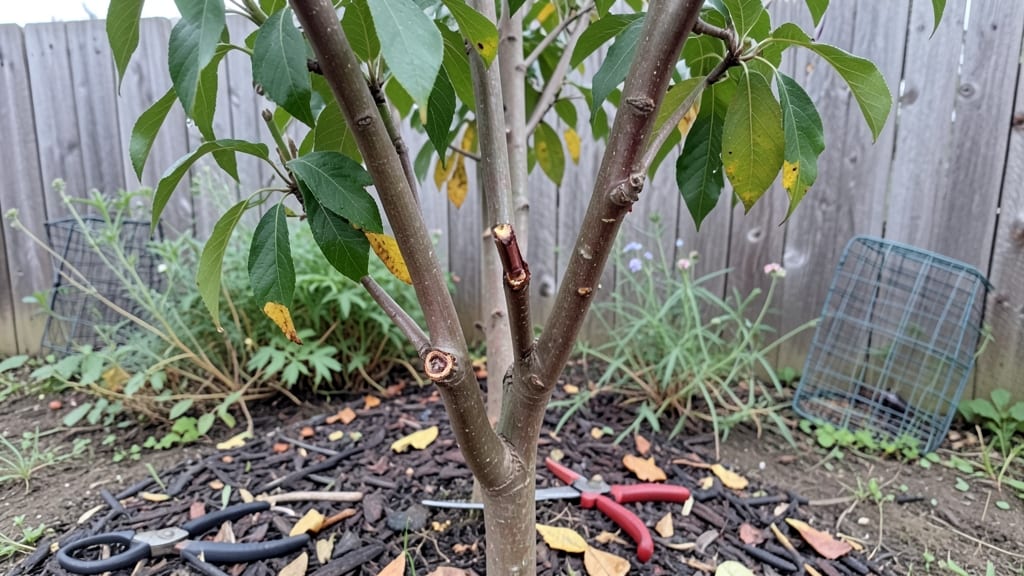
Pruning crepe myrtles the right way turns those leggy, overgrown shrubs into showstopping, healthy focal points that bloom like crazy. 🌟 I’ve watched my own crepe myrtles go from sad, sparse bushes to lush, flower-covered giants just by following a few key timing and technique rules—no guesswork involved.
The secret isn’t just cutting branches; it’s knowing when to prune. Late winter or early spring is your best bet for shaping, while summer pruning keeps those flowers coming.
You’ll need sharp pruners, gloves, and maybe a ladder—though I’ve learned the hard way that skipping the ladder for tall branches leads to awkward stretching. The goal? Clean cuts that encourage new growth while keeping the natural shape intact.
By the end of the season, you’ll have a crepe myrtle that’s bursting with blooms, not just branches. The flowers will be bigger, the shape more balanced, and the plant so vigorous it barely needs extra care.
Plus, you’ll avoid the dreaded “crepe myrtle jungle” look that makes neighbors do a double-take.
Works for both new shrubs and old-timers—just adjust the cuts. Here’s how to do it without turning your yard into a pruning disaster.
📚 In This Guide
- What you need
- Instructions
- Tips and common mistakes
- Wrapping up and next steps
What you need
- ● Pruning shears: Bypass pruners (sharp, 6-8 inch blades) for smaller branches.
- ● Loppers: 1 pair (8-10 inch blades) for thicker branches (½ inch to 1½ inches in diameter).
- ● Pruning saw: 1 handheld saw (for branches thicker than 1½ inches).
- ● Gloves: 1 pair of heavy-duty, cut-resistant gloves (to protect from thorns and debris).
- ● Disinfectant: 70% isopropyl alcohol or a 10% bleach solution (to clean tools between cuts).
- ● Heavy-duty trash bags: 2-3 bags (for collecting pruned branches and debris).
- ● Ladder: 1 sturdy ladder (if your crepe myrtle is taller than 6 feet).
- ● Safety glasses: 1 pair (to protect eyes from flying debris).
- ● Extension pole pruners: 1 pair (for high branches without a ladder).
- ● Rake: 1 lightweight rake (to gather fallen leaves and small debris).
- ○ Pruning sealant: (optional, for larger cuts to prevent disease).
Seasonal trimming guide for healthy crepe myrtle growth
Crepe myrtles thrive when pruned right—here’s how to keep them lush and strong year-round.
✂️ Step 1: Prune Late Winter or Early Spring for New Growth
Start your pruning just before buds swell—typically in late February or March when the risk of frost has passed. This timing ensures you remove dead wood while encouraging vigorous new growth. Look for branches that are completely brown and brittle; these are the first to go. I always prune at a 45-degree angle just above a leaf node or outward-facing bud to promote healthy regrowth.
Use clean, sharp pruners to make precise cuts. Ragged edges invite disease, and dull tools crush stems. If a branch is larger than ½ inch thick, use loppers or a pruning saw. Never leave stubs—always cut back to the branch collar where it meets the trunk or larger branch.
☀️ Step 2: Thin Out Crowded Branches in Late Spring
In late May or early June, focus on thinning the canopy to improve airflow and sunlight penetration. Remove any crossing or rubbing branches first—they’ll eventually damage each other. Next, target branches growing straight up or inward; these create dense growth that’s prone to pests and disease. Aim to remove 20-30% of the plant’s total branches to maintain its natural shape.
Step back often to assess the plant’s form. You’re not just cutting—you’re sculpting. Crepe myrtles have a beautiful, airy habit when pruned correctly. If you see water sprouts (thin, vertical shoots) at the base, remove them entirely—they drain energy from the main structure.
🌿 Step 3: Light Summer Pruning for Shape and Flowers
After the first flush of blooms in summer, do a light pruning to maintain shape and encourage a second flowering. Remove any dead or diseased branches immediately—they’ll spread problems fast. Trim back overlong branches by ⅓ of their length to stimulate bushier growth. Avoid heavy pruning now; it can reduce flowering for the season.
Watch for suckers growing from the base or trunk. These compete with the main plant for nutrients. Snip them off at ground level. If you notice any branches with yellowing leaves or blackened spots, prune those out completely. Disinfect your tools with rubbing alcohol between cuts to prevent spreading fungal spores.
⏰ Step 4: Clean Up in Fall Before Dormancy
In late fall, after leaves have dropped but before hard frosts, do a final cleanup. Remove all dead, diseased, or weak branches. This prevents pests from overwintering in the shrub. Thin out any remaining crowded branches to maintain airflow. If your crepe myrtle has seed pods, you can leave a few for texture, but remove most to redirect energy into next year’s growth.
Rake up and dispose of all pruned material. Don’t compost diseased branches—they can harbor pathogens. Now’s also the time to check for any storm damage or broken limbs. If a branch is split but still attached, prune it back to a healthy union point. A well-maintained crepe myrtle will reward you with stunning blooms and strong structure for years to come.
Tips & tricks for perfect crepe myrtle pruning
Here's what nobody tells you about keeping your crepe myrtle thriving—these are the secrets that make all the difference.
Timing is Everything: The late February/March window for Step 1 is critical because it's when crepe myrtles naturally prepare for new growth. If you prune too early, you risk damaging buds that haven't swollen yet. I've seen people prune in January and end up with stunted growth—don't make that mistake! Mark your calendar for when your local frost dates end, and prune within that week.
Tool Sharpness Matters: Dull pruners crush stems instead of making clean cuts, which invites disease. I always test my pruners on a scrap piece of wood before using them on my crepe myrtle—if it doesn't cut cleanly, it's time to sharpen. For branches over ½ inch thick, invest in quality loppers. The better your tools, the healthier your plant will be.
Visual Cues for Pruning: In Step 2 when thinning, look for branches that cross each other—they'll rub and create wounds. Also watch for branches growing straight up or inward; these are the ones to remove first. I like to step back every few cuts to see the overall shape—it's like sculpting a living work of art. Remember, you're aiming for that airy, open habit that crepe myrtles are famous for.
Disinfection Prevents Problems: Between cuts in Step 3, especially when dealing with diseased branches, I always wipe my pruners with rubbing alcohol. This simple step prevents spreading fungal spores that can ruin your plant's health. Keep a small bottle of alcohol in your pruning kit—it takes seconds and saves hours of cleanup later.
Pro Tips for Crepe Myrtle Shrub Pruning
- Here's what nobody tells you about keeping your crepe myrtle thriving—these are the secrets that make all the difference.
- Timing is Everything: The late February/March window for Step 1 is critical because it's when crepe myrtles naturally prepare for new growth.
- Tool Sharpness Matters: Dull pruners crush stems instead of making clean cuts, which invites disease.
Frequently asked questions
Got questions about keeping your crepe myrtle shrub looking its best? Here are answers to the most common concerns—so you can prune with confidence!
When is the best time to prune crepe myrtle shrubs?
Prune late winter to early spring (before buds swell) for shaping, or summer after flowering to control size. Avoid pruning in fall—it can stimulate late growth vulnerable to frost damage. Pro tip: Never prune in winter (except to remove dead wood)—crepe myrtles are late bloomers!
How much can I cut back my crepe myrtle without harming it?
You can safely remove up to ⅓ of the plant’s height in one season, but avoid drastic cuts (like "crepe murder" extreme pruning). Focus on selective thinning to improve airflow and sunlight. Over-pruning can stress the shrub and reduce blooms next year.
Why does my crepe myrtle have dead branches? How do I fix it?
Dead branches often result from disease, pests, or winter damage. Cut them back to healthy wood using clean, sharp shears. Sterilize tools with rubbing alcohol between cuts to prevent spreading infections. If many branches die back, check for crepe myrtle bark scale or fungal issues.
Will pruning my crepe myrtle reduce its flowers next year?
No—proper pruning encourages more blooms! Prune after flowering (late summer) to shape while preserving next year’s buds. Avoid heavy cuts in spring, as this removes potential flower sites. Bonus: Thinning interior branches improves air circulation, reducing disease and boosting overall health.
Are there alternatives to pruning if my crepe myrtle is overgrown?
If pruning feels overwhelming, try gradual thinning over 2–3 years or topiary shaping for a controlled look. For extreme cases, consider rejuvenation pruning (cutting back all stems to 6–12 inches in late winter), but this requires patience—new growth takes time. Warning: Avoid "crepe murder" (pruning to the ground)—it’s harmful!
Wrapping up and next steps
Pruning your crepe myrtle shrub doesn’t have to be intimidating—it’s all about timing, technique, and a little patience! 🌿 By following seasonal guidelines and mastering the right cuts, you’ll encourage vibrant blooms, strong structure, and long-term health.
Whether you’re trimming for shape, rejuvenation, or pest prevention, your efforts will pay off in stunning summer displays.
Ready to take the next step? Grab your pruners, dust off that ladder, and schedule your first pruning session—your crepe myrtle will thank you with lush, eye-catching foliage for years to come! 🌸