
Companion Plants
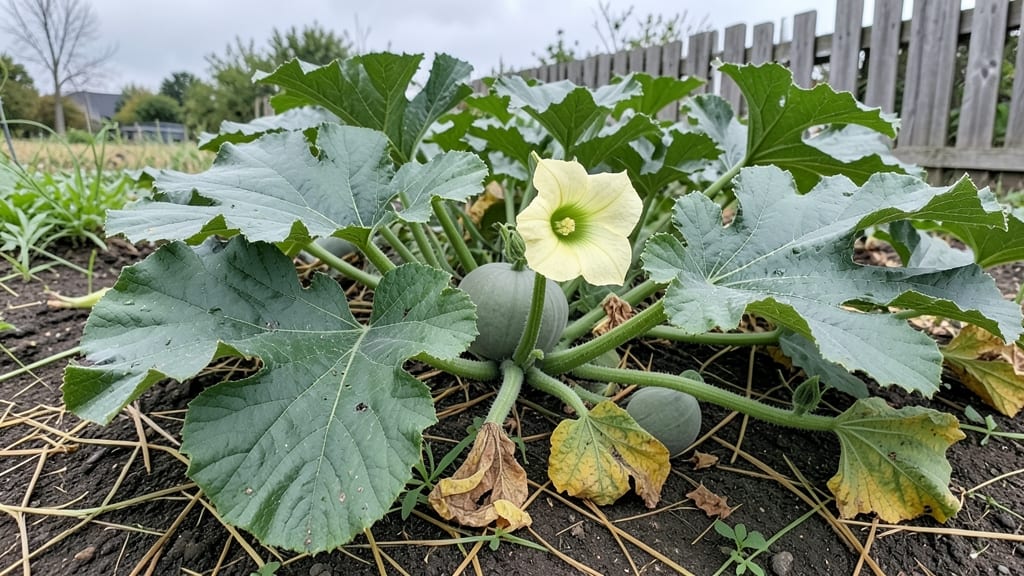
Cucuzza squash plants deliver tender, sweet vines that outperform store-bought zucchini every time. 🌱 I grew mine last summer and ended up with 12-foot vines producing fruit until frost—long after my neighbors' zucchini plants gave up.
The flavor? Richer, nuttier, and less watery than typical summer squash, with a texture that holds up better in cooking.
These vigorous vines thrive in full sun and well-draining soil, but they don’t demand perfect conditions like some fussy varieties. Start seeds indoors 4-6 weeks before last frost, then transplant after soil warms to 60°F+.
Space plants 3-4 feet apart—they’ll spread fast, but proper spacing prevents disease and makes harvesting easier. The key to success? Consistent moisture without soggy soil, and a little extra nitrogen early on to fuel that rampant growth.
By midsummer, you’ll be harvesting 3-5 inch fruits every few days, and the plants keep producing until hard frost. The vines themselves are edible too—young shoots taste like asparagus, and the flowers make great fritters.
Just watch for cucumber beetles and squash vine borers; row covers early on save me from those pests every season.
Perfect for warm climates but adaptable as far north as Zone 5 with a long season. If you’ve ever struggled with zucchini’s short window or bland flavor, cucuzza squash might just change how you grow summer squash. Here’s how to get started right.
📚 In This Guide
- What you need
- Instructions
- Tips and common mistakes
- Wrapping up and next steps
What you need
- ● Seeds or Seedlings: 3–5 cucuzza squash seeds (or 2–3 young plants if starting with seedlings). Choose heirloom or hybrid varieties like 'Black Beauty' or 'Gold Rush'.
- ● Containers or Garden Bed: For Containers: 5-gallon pots (minimum) or larger grow bags (1 per plant). Ensure pots have drainage holes.
- ● For In-Ground Planting: A sunny spot (6+ hours of sunlight) with well-draining soil. Space plants 2–3 feet apart in rows 4–5 feet apart.
- ● Soil: Rich, well-draining soil with a pH of 6.0–6.8. Amend with compost or aged manure (1–2 inches mixed into the top 12 inches of soil).
- ● Fertilizer: Balanced Fertilizer: 10-10-10 or 5-10-10 (1 tbsp per plant at planting).
- ● Organic Option: Fish emulsion or compost tea (every 3–4 weeks during growing season).
- ● Watering Supplies: Drip irrigation or a watering can with a long spout (to avoid wetting leaves).
- ● Mulch: Straw or shredded leaves (2–3 inches thick) to retain moisture and suppress weeds.
- ● Garden gloves (to protect hands from prickly vines).
- ● Trellis or sturdy stakes (if growing vertically to save space).
- ● Pruning shears (to trim excess foliage or harvest).
- ● Soil pH test kit (to ensure optimal growing conditions).
- ● Row covers or frost cloth (for early-season protection if needed).
Step-by-step guide to growing cucuzza squash plants
Here's the foolproof method I've used to coax these productive, sun-loving vines into thriving plants.
🌱 Step 1: Prepare the Planting Site for Maximum Growth
Cucuzza squash thrives in warm soil with excellent drainage. Choose a location that receives full sun (6-8 hours daily) and has well-draining soil. If your garden soil is heavy clay, amend it with 2-3 inches of compost mixed into the top 12 inches of soil. These vines are vigorous and need room to spread—space plants 3-4 feet apart in all directions.
Before planting, loosen the soil to a depth of 12 inches with a broadfork or shovel. This prevents soil compaction and encourages strong root development. I always add a handful of balanced organic fertilizer (10-10-10) at planting time to give the plants a nutrient boost. Avoid fresh manure—it can burn tender roots and delay growth.
🌿 Step 2: Plant Seeds or Transplants at the Right Time
Cucuzza squash is frost-sensitive, so wait until the soil temperature reaches 70°F before planting. For direct sowing, plant 2-3 seeds per hill, 1 inch deep, with hills spaced 3-4 feet apart. Thin to the strongest plant per hill once seedlings develop 2-3 true leaves. If transplanting, bury the stem up to the first set of leaves—this encourages stronger root growth.
I always plant in hills rather than flat rows because the mounded soil stays warmer and dries faster, reducing the risk of rot. Water the soil thoroughly before planting, then cover the seeds lightly with soil. Keep the planting area moist but not soggy until germination, which typically occurs in 7-14 days. If nights are still chilly, use floating row covers to protect young plants.
☀️ Step 3: Provide Consistent Water and Support for Vines
Once seedlings emerge, water deeply 2-3 times per week, providing 1-2 inches of water per week. Cucuzza squash has shallow roots, so consistent moisture is critical—never let the soil dry out completely. Water at the base of the plant in the morning to reduce disease risk and allow foliage to dry quickly.
As vines grow, they'll need support to keep fruits off the ground. Install trellises or cages early to prevent damage to developing plants. I prefer sturdy bamboo trellises because they're easy to assemble and provide plenty of surface area for the vines to climb. Prune side shoots to encourage upward growth and improve air circulation, which reduces the risk of powdery mildew.
✂️ Step 4: Monitor for Pests and Harvest at Peak Ripeness
Watch for common squash pests like cucumber beetles and squash bugs. Handpick adults and eggs regularly, and use row covers early in the season to prevent infestations. If needed, apply organic insecticidal soap or neem oil as a preventative measure. Healthy plants with good airflow resist most pests naturally.
Harvest cucuzza squash when fruits reach 6-8 inches long and have developed their characteristic color. Use a sharp knife or pruners to cut stems, leaving a short piece attached to the fruit. Harvest frequently—this encourages continuous production. Store harvested squash in a cool, dry place for up to 2 weeks, or preserve by freezing or canning for longer storage.
🌱 Step 5: Extend the Season with Proper Care
To prolong harvests, remove all vines and fruits once production slows. Apply 2-3 inches of mulch around the base of plants to retain moisture and suppress weeds. In cooler climates, use black plastic mulch to warm the soil and extend the growing season by 2-3 weeks.
If you're growing cucuzza squash in containers, choose large pots with 5-gallon capacity or more and ensure they have drainage holes. Container-grown plants may produce slightly smaller fruits but are ideal for patios or small gardens. Always fertilize container plants every 4-6 weeks with a balanced organic fertilizer to replenish nutrients lost through frequent harvesting.
Tips & tricks for perfect cucuzza squash growth
These game-changing strategies will help you transform your garden into a cucuzza squash powerhouse—no more struggling with weak vines or poor yields.
The Soil Temperature Secret: That 70°F soil temperature isn't just a suggestion—it's the magic threshold where cucuzza squash seeds finally decide to germinate. I use a soil thermometer to confirm this before planting, especially in cooler climates. If your soil runs cold, consider using black plastic mulch to warm it up 2-3 weeks before planting. This simple step can shave weeks off your growing season and prevent those frustrating "no germination" moments.
Hill Planting Hack: Planting in hills (rather than flat rows) isn't just about aesthetics—it's a disease prevention and heat retention strategy. The mounded soil stays warmer, dries faster, and reduces the risk of rot by keeping fruits off damp ground. For extra insurance, I add 1 tablespoon of Epsom salt to each hill at planting time. The magnesium boost gives the plants a stronger start, especially in heavy clay soils.
Watering Wisdom: The 2-3 times per week watering schedule works best when you water deeply—not just a quick sprinkle. I use a soaker hose placed at the base of plants to deliver water slowly, which encourages deep root growth. Morning watering is critical because it gives foliage time to dry completely, reducing the risk of fungal diseases like powdery mildew. If you notice wilting during hot afternoons, give plants a shallow water in the evening to tide them over until morning.
Trellis Timing: Installing trellises early (as soon as vines reach 12 inches) prevents root disturbance later. I use bamboo trellises because they're sturdy enough to support the weight of mature cucuzza squash fruits while allowing good airflow. The key is to train the main vine along the trellis and prune aggressive side shoots—this focuses the plant's energy on producing larger fruits rather than spreading uncontrollably. Prune in the morning so wounds have all day to heal before evening moisture arrives.
Pro Tips for Cucuzza Squash Plants
- These game-changing strategies will help you transform your garden into a cucuzza squash powerhouse—no more struggling with weak vines or poor yields.
- The Soil Temperature Secret: That 70°F soil temperature isn't just a suggestion—it's the magic threshold where cucuzza squash seeds finally decide to germinate.
- Hill Planting Hack: Planting in hills (rather than flat rows) isn't just about aesthetics—it's a disease prevention and heat retention strategy.
Frequently asked questions
about growing cucuzza squash plants—because every gardener deserves a little clarity!When is the best time to plant cucuzza squash?
Plant cucuzza squash seeds after the last frost when soil temperatures reach at least 60°F (15°C). For warm climates, aim for spring or early summer, while cooler regions may need to start indoors 2–3 weeks before transplanting. These vines thrive in heat, so don’t rush—wait for stable warmth!
How long does it take for cucuzza squash to grow and produce?
From seed to harvest, cucuzza squash typically takes 70–90 days. Young plants may flower in 4–6 weeks, but fruit ripens gradually. Patience pays off—consistent watering and sunlight accelerate growth. Expect the first harvests in late summer to early fall, depending on your climate!
Can I grow cucuzza squash in containers?
Yes! Cucuzza squash thrives in large containers (15+ gallons) with good drainage and trellising support (they’re vining!). Use a lightweight potting mix and place containers in full sun. Just ensure the pot is stable—these vines can get heavy!
What pests or diseases should I watch for with cucuzza squash?
Common pests include cucumber beetles, squash bugs, and aphids. Prevent issues with row covers, neem oil, or companion planting (try marigolds or nasturtiums). Watch for powdery mildew in humid areas—improve airflow and avoid overhead watering. Act fast to protect your vines!
How do I know when cucuzza squash is ripe for harvest?
Harvest when the fruit is firm, glossy, and deep green (about 6–8 inches long). Check for a slightly waxy texture—overripe squash turns dull and mushy. Pick regularly to encourage more production! Use a sharp knife or pruners to avoid damaging vines.
Wrapping up and next steps
Growing cucuzza squash plants is a rewarding journey that brings vibrant vines, delicious harvests, and even helps boost your garden’s ecosystem! Whether you’re a seasoned gardener or just starting out, these sun-loving plants thrive with the right care—soil prep, companion planting, and a little patience.
Now that you’ve got the know-how, it’s time to roll up your sleeves and let your garden flourish.
Ready to take the next step? Start by marking your planting spots—or even better, grab some cucuzza seeds and begin your adventure today! 🌱 Your future harvest (and happy pollinators!) will thank you.