
Pests and Diseases
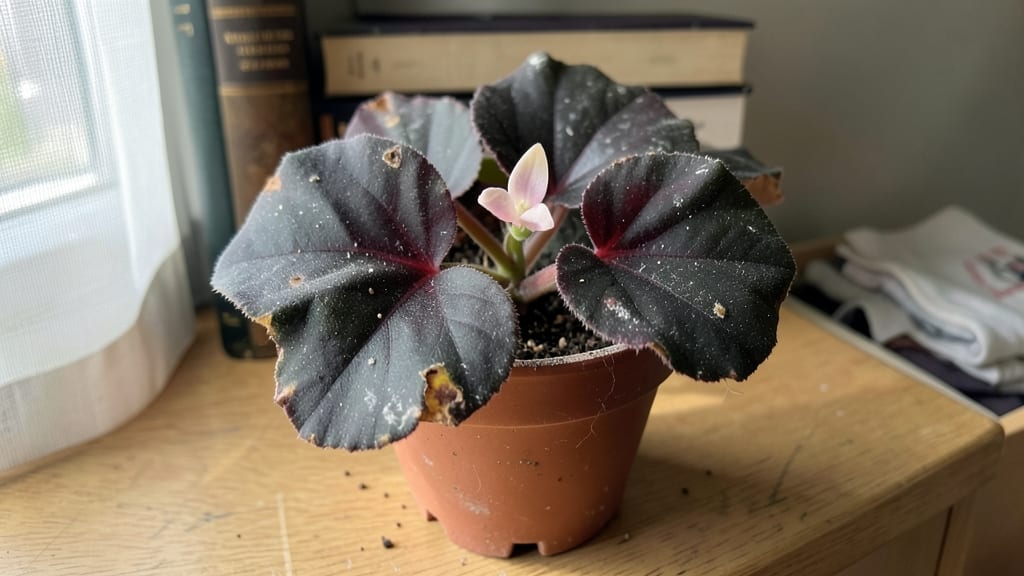
Dark leaf begonias transform any space with their velvety, almost black foliage—if you keep them happy. 🌿 I’ve wrestled with these picky plants for years, and the difference between thriving glossy leaves and sad, crispy edges comes down to three things: light, humidity, and soil.
Most people overwater or place them in direct sun, which turns their prized foliage into a sad, brown mess.
These plants crave bright, indirect light—think east-facing windows or a few feet from a south window—where they get morning sun but escape the harsh afternoon rays. Your soil mix should be peat-based and well-draining, with a chunk of perlite or orchid bark to prevent soggy roots.
Humidity is the game-changer: if your home’s air feels dry, a pebble tray or humidifier keeps the leaves lush and prevents the dreaded brown edges that ruin their dramatic look.
Once you nail those basics, propagation becomes a breeze. Snip a healthy stem, let it callus for a day, then plant it in damp sphagnum moss. Within weeks, you’ll have new plants ready to fill gaps in your collection.
The payoff? A houseplant that looks like a tropical forest, even in winter, with minimal effort after the setup.
Winter care is where beginners trip up—cut back on watering when growth slows, but never let the soil dry completely. A little neglect tolerance is key, and with these adjustments, your dark leaf begonia will reward you with foliage so rich it looks like velvet. Let’s get those leaves thriving!
📚 In This Guide
- What you need
- Instructions
- Tips and common mistakes
- Wrapping up and next steps
What you need
- ● Dark leaf begonia plants: 1–3 healthy nursery-grown plants (ensure they’re labeled as Begonia rex or dark leaf varieties).
- ● Well-draining potting mix: 1 bag (5–10 quarts) of a peat-based or orchid mix (amend with perlite or pumice for aeration).
- ● Containers: 1–3 terracotta or plastic pots (6–10 inches in diameter) with drainage holes.
- ○ Optional: A decorative cache pot (without drainage) for aesthetic appeal.
- ● Watering can or spray bottle: With a fine rose nozzle to avoid disturbing soil.
- ● Humidity tray or pebble tray: 1 shallow tray + small pebbles or gravel (for humidity-loving plants).
- ● Fertilizer: Balanced liquid fertilizer (e.g., 10-10-10) or slow-release granules.
- ○ Diluted fish emulsion (optional, for organic growth).
- ● Grow lights (if indoors): 1–2 LED full-spectrum bulbs (6,000–7,000K) for 12–14 hours/day.
- ● Pruning shears: Small, sharp pair for trimming dead leaves or leggy stems.
- ● Moss or sphagnum: For lining pots or adding texture (great for humidity retention!).
- ● Plant labels: Waterproof markers to track varieties.
- ● Fungicide (e.g., neem oil): Preemptive treatment for powdery mildew or pests.
- ● Heat mat: For cooler climates to maintain soil warmth (ideal for germination).
Step-by-Step instructions for growing dark leaf begonias
Here’s how to coax those stunning dark foliage begonias into thriving, show-stopping plants.
🪴 Step 1: Choose the Right Container and Soil
Dark leaf begonias love moisture but hate soggy roots, so pick a container with drainage holes—6-8 inches deep works perfectly for one plant. I use terracotta pots because they breathe and help prevent root rot. Fill it halfway with a mix of 2 parts peat moss and 1 part perlite to create a light, airy medium. This combo holds moisture without compacting.
Press the mix down gently to remove air pockets, then add a 1-inch layer of orchid bark on top. This helps with drainage and mimics their natural, slightly acidic environment. The bark also adds structure so the soil doesn’t settle too much over time.
🌱 Step 2: Plant and Position for Success
Gently remove the begonia from its nursery pot and loosen the roots if they’re tightly bound. Place it in the container so the top of the root ball sits ½ inch below the rim. Fill the remaining space with more of your peat-perlite mix, pressing lightly around the edges to secure the plant.
Dark leaf begonias thrive in bright, indirect light. A north- or east-facing window is ideal, but if you only have south light, place the pot 3 feet back from the glass to avoid leaf scorch. Avoid harsh afternoon sun—it’ll bleach those gorgeous dark leaves. Rotate the pot a quarter turn weekly so the plant grows evenly.
💧 Step 3: Water and Humidity Essentials
Water when the top 1 inch of soil feels dry—stick your finger in to check. Begonias hate dry soil but despise soggy roots even more. Water deeply until it drains from the bottom, then empty the saucer to prevent root rot. I use room-temperature water to avoid shocking the plant.
These beauties crave humidity—50% or higher. If your home runs dry, place the pot on a tray filled with 1 inch of pebbles and water. The evaporating moisture creates a microclimate. Mist the leaves lightly in the morning, but avoid wetting them at night—fungus loves damp foliage after dark.
✂️ Step 4: Prune and Encourage Bushy Growth
Pinch off the tips of new stems when they’re 3-4 inches tall to encourage branching. This creates a fuller, more compact plant with those stunning dark leaves. Use clean, sharp scissors to make cuts just above a leaf node—never tear the stem.
Remove any yellow or damaged leaves immediately. They’re entry points for pests and disease. If the plant gets leggy, trim back the longest stems by ⅓ of their length. This triggers fresh growth and keeps the plant lush. Fertilize lightly with a balanced liquid fertilizer (10-10-10) every 4-6 weeks during spring and summer.
☀️ Step 5: Overwintering for Next Season
When temperatures drop below 50°F at night, move your begonia indoors to a bright spot. Reduce watering to every 10-14 days and stop fertilizing. These plants go semi-dormant in winter—don’t panic if growth slows.
In early spring, resume regular care. Prune back any leggy stems by half their length to refresh the plant. By late spring, it’ll be ready to burst into new growth. With proper care, your dark leaf begonia will reward you with years of dramatic foliage.
Tips & tricks for perfect dark leaf begonia care
Here's what I've learned after growing these stunning plants for years—these little details make all the difference between a struggling begonia and a showstopper.
Soil and Drainage Secret: In Step 1, don't skip the orchid bark layer—it's not just for looks. This 1-inch layer creates crucial air pockets that prevent the peat-perlite mix from compacting over time. I've seen plants with root rot because people skipped this step, thinking it was optional. Press that bark layer gently but firmly to create those essential drainage channels.
Light Positioning Hack: When placing your begonia in Step 2, remember that north-facing windows provide the most consistent light without risk of scorch. If you must use south light, that 3-foot distance is non-negotiable—closer means those gorgeous dark leaves will develop ugly white patches. I keep a ruler handy to measure exactly 36 inches from the glass.
Watering Wisdom: The 1-inch dry soil test in Step 3 is your best friend, but here's the catch: check with your finger at the same time every morning. Begonias thrive on routine, and inconsistent watering causes stress. I set a reminder on my phone for 9 AM daily—consistency is key for these moisture-loving plants.
Pruning Pro Tip: When trimming leggy stems in Step 4, cut back to just above a leaf node where you want new growth to sprout. I use a small notepad to mark which stems need trimming—this prevents me from accidentally over-pruning. And always sterilize your scissors with rubbing alcohol between cuts to prevent spreading disease.
Pro Tips for Dark Leaf Begonia
- Here's what I've learned after growing these stunning plants for years—these little details make all the difference between a struggling begonia and a showstopper.
- Soil and Drainage Secret: In Step 1, don't skip the orchid bark layer—it's not just for looks.
- Light Positioning Hack: When placing your begonia in Step 2, remember that north-facing windows provide the most consistent light without risk of scorch.
Frequently asked questions
Why are my Dark Leaf Begonia’s leaves turning yellow or brown?
Yellowing or brown edges usually mean overwatering or low humidity. Let the top inch of soil dry out between waterings, and mist leaves (or use a pebble tray) to boost moisture. Avoid cold drafts—this plant loves warmth and humidity!
How often should I fertilize my Dark Leaf Begonia?
Feed every 4–6 weeks during spring/summer with a balanced liquid fertilizer (diluted to half strength). Skip fertilizing in fall/winter—your plant enters dormancy. Pro tip: Flush soil with water monthly to prevent salt buildup!
What pests should I watch for, and how do I treat them?
Common pests include spider mites (tiny webs), aphids (sticky residue), and mealybugs (cottony clusters). Wipe leaves with soapy water or spray with neem oil. For severe infestations, isolate the plant and repeat treatment every 3–5 days.
Can Dark Leaf Begonias handle direct sunlight?
Nope! These beauties thrive in bright, indirect light. Too much sun causes leaf scorch (bleached patches), while too little leads to leggy growth. An east-facing window or a few feet from a south window is ideal. Rotate your plant occasionally for even growth.
Are there any low-maintenance alternatives to Dark Leaf Begonias?
If you want easy-care foliage plants, try:
- Peperomia (tolerates low light, drought-resistant)
- ZZ Plant (nearly indestructible, thrives in shade)
- Cast Iron Plant (handles neglect like a champ!)
Wrapping up and next steps
Growing a dark leaf begonia is a rewarding journey that brings bold, velvety foliage into your space—with the right care, you’ll enjoy its striking beauty for years! 🌿 Remember, these plants thrive on indirect light, consistent moisture, and good airflow, while staying vigilant against pests like aphids or fungal issues.
With patience and attention to detail, your begonia will flourish into a stunning centerpiece.
Ready to take the next step? Start by monitoring your plant’s health weekly—adjust care as needed, and soon, you’ll be sharing your lush, thriving begonia with pride! 🌟