
Trees
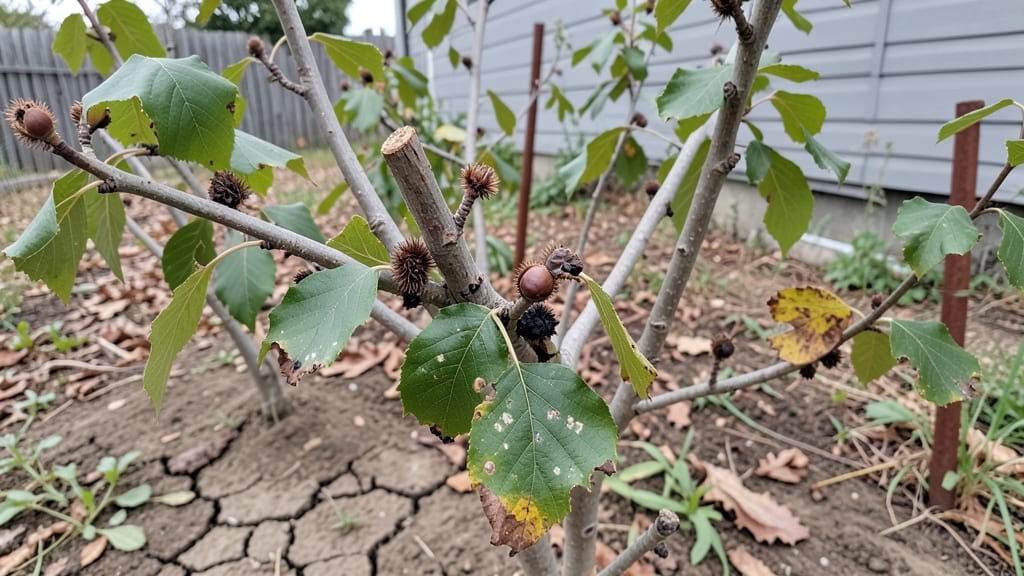
Those diseased chestnut trees with brown, brittle leaves aren’t just sad—they’re a warning of blight or fungal infections that can kill the tree if ignored.
I’ve nursed back multiple chestnuts from this exact state, and the key is catching symptoms early: oozing cankers, wilting branches, or those telltale brown spots on leaves. The good news? With the right approach, you can revive your tree’s health and even prevent future outbreaks.
Most chestnut diseases start with poor air circulation or overwatering, creating the perfect damp conditions for fungi to take hold. My first step is always pruning out infected branches—sterilize your tools with rubbing alcohol first—and then focusing on soil health.
A mix of compost and mycorrhizal fungi helps roots fight back naturally, while copper fungicides (organic or chemical) can stop the spread if applied at the first sign of trouble.
You’ll know you’re on the right track when new green leaves start appearing in late spring, and the tree’s bark stops oozing. Healthy chestnuts produce those iconic spiky burrs by mid-summer, proving the rescue worked. The secret weapon? Consistency—regular checks, proper pruning, and avoiding overhead watering to keep foliage dry.
For stubborn cases or large trees, calling in an arborist is worth the investment. They can assess structural damage and recommend targeted treatments that might be overkill for smaller trees.
But for most homeowners, a little vigilance and the right tools can turn a dying chestnut into a thriving shade provider for decades.
Root Causes Of Tree Decline
When chestnut trees weaken and fall prey to disease, the culprits are often a mix of biological invaders, environmental stressors, and human activity. Understanding these root causes is the first step toward effective treatment and prevention. Let’s break down the science behind why your chestnuts may be struggling.
Fungi are the most common and destructive enemies of chestnut trees, with Cryphonectria parasitica (chestnut blight) being the most infamous. This fungus spreads through spores, infecting wounds in the bark and blocking the tree’s vascular system, preventing water and nutrient flow.
- How it spreads: Wind, rain, and even tools (like pruners) can carry spores from infected trees to healthy ones.
- Signs of infection: Look for oozing cankers (dark, sunken lesions), cracked bark, and wilting leaves—even in summer.
- Why it’s deadly: The fungus produces toxins that weaken the tree’s immune response, making it susceptible to secondary infections.
💡 Pro Tip: Remove infected branches immediately and disinfect tools with a 10% bleach solution to prevent spread.
Chestnut trees are hardy, but extreme conditions can push them over the edge. Drought, flooding, and temperature swings disrupt their natural defenses, leaving them vulnerable to pests and diseases.
| Stressor | Impact on Trees | How to Mitigate |
|---|---|---|
| 🔥 Drought | Stunted growth, leaf scorch, and weakened bark—making them easy targets for borers and fungi. | Mulch heavily (3–4 inches) and water deeply once a week during dry spells. |
| 🌊 Flooding | Root rot from waterlogged soil cuts off oxygen, leading to fungal infections like Phytophthora. | Improve drainage with raised beds or sand amendments if your soil is clay-heavy. |
| ❄️ Freeze Damage | Frost cracks in bark let in pathogens; late frosts can kill flowers and young shoots. | Plant in sheltered microclimates and wrap young trees in burlap during winter. |
🌡️ Key Insight: Chestnuts thrive in USDA Zones 4–8—if your tree is on the edge of its hardiness zone, it’s more susceptible to stress.
Insects like chestnut weevils, bark beetles, and leaf miners don’t just nibble—they destroy the tree’s structure. Larvae bore into wood, disrupting nutrient transport, while adults chew leaves, reducing photosynthesis.
- Chestnut Weevils (🐛): Females lay eggs in nuts; larvae hatch and feed inside, causing premature nut drop.
- Bark Beetles (🪲): Tunnel under bark, introducing blue-stain fungi that kill the tree within months.
- Leaf Miners (🍃): Larvae create serpentine trails in leaves, weakening the tree’s energy reserves.
✨ Prevention Hack: Install pheromone traps in early spring to catch weevils before they mate. For beetles, remove infested branches and burn them (don’t compost!).
Chestnuts are heavy feeders but often grow in depleted soils. Without proper nutrients, they become stunted, yellowing, and disease-prone. Common deficiencies include:
- Nitrogen (💚): Leads to pale leaves and slow growth. Fix with compost or a balanced 10-10-10 fertilizer in early spring.
- Potassium (🍠): Weakens disease resistance. Use wood ash or a potassium sulfate supplement.
- Magnesium (🌿): Causes yellowing between leaf veins. Apply dolomitic lime or Epsom salt (1 tbsp/gallon of water).
📊 Soil Test First: Before amending, test your soil’s pH (ideal: 6.0–7.0) and nutrient levels via a local extension service.
Even well-meaning actions can harm chestnut trees. Over-pruning, compacted soil from foot traffic, and chemical misuse all take a toll.
- Over-pruning (✂️): Removing >25% of foliage in one go stresses the tree, inviting fungal infections.
- Herbicide Drift (💀): Glyphosate and other broadleaf herbicides can kill beneficial microbes in the root zone.
- Soil Compaction (🚜): Heavy machinery or livestock trample roots, reducing oxygen and water uptake.
🎯 Fix It: Aerate compacted soil with a garden fork, and prune only in late winter when the tree is dormant.
Restoring Tree Health Step-by-Step
A diseased chestnut tree doesn’t have to mean the end of its life—or your hopes for a thriving orchard. With the right approach, you can diagnose the root cause (literally!) and take action to revive it.
Below is a practical, step-by-step guide to treating common ailments, from fungal infections to pest infestations, plus long-term prevention tips to keep your trees strong.
Cause: Fungal diseases (like chestnut blight) or pest damage often spread through infected branches. Fix It:
- 🔪 Remove infected branches at least 6 inches below visible lesions or cankers. Sterilize pruning tools with 70% isopropyl alcohol between cuts to prevent cross-contamination.
- 🌿 Thin the canopy to improve airflow—crowded branches trap moisture, fueling fungal growth.
- 🌞 Prune in dry weather (avoid rainy days) to let wounds heal faster.
Pro Tip: If blight is severe, burn or bury (not compost) infected wood to stop spores from spreading. 🔥
Cause: Fungal infections (e.g., Cryphonectria parasitica—chestnut blight—or Phytophthora root rot). Fix It:
- 💊 Early intervention is key. Use copper-based fungicides (like Bordeaux mixture) or propiconazole (a systemic fungicide) during bud break and leaf fall to disrupt spore germination.
- 🌱 Soil drenches with phosphite fungicides (e.g., Phostrol) can help if root rot is suspected.
- 🌧️ Reapply after heavy rain—fungicides wash off quickly!
Pro Tip: For organic growers, neem oil or baking soda spray (1 tbsp baking soda + 1 tsp dish soap per gallon of water) can suppress mild fungal growth. ✨
Cause: Bark beetles, chestnut weevils, or scale insects weaken trees by feeding on sap or larvae. Fix It:
- 🕷️ Trap and remove pests:
- Bark beetles: Set up pheromone traps in spring (peak flight season).
- Weevils: Handpick adults from nuts or use diatomaceous earth around the base.
- 🍊 Spray horticultural oil (like Sunspray Oil) in dormant season to smother eggs/larvae.
- 🐝 Encourage predators: Ladybugs and parasitic wasps eat scale insects—plant dill or fennel nearby to attract them.
Pro Tip: Avoid broad-spectrum insecticides—they kill beneficial insects too! 🎯
Cause: Poor soil, over/under-watering, or nutrient deficiencies stress trees, making them vulnerable. Fix It:
- 💦 Water deeply but infrequently—chestnuts hate soggy roots. Aim for 1–2 inches of water per week (more in drought).
- 🌿 Mulch heavily (3–4 inches of wood chips) to retain moisture and block weeds. Keep mulch 6 inches away from the trunk.
- 🍃 Fertilize smartly:
- Spring: Apply balanced 10-10-10 fertilizer or compost.
- Fall: Use low-nitrogen, high-phosphorus (e.g., 5-10-10) to boost root health.
Pro Tip: Test your soil before fertilizing—overdoing it can burn roots! 📊
Cause: Repeated infections or reinfestation happen when trees stay stressed. Fix It:
- 🌱 Plant resistant varieties like European chestnut hybrids (e.g., Dunstan) if blight is rampant in your area.
- 🚫 Avoid wounding trees—use sharp tools and seal large pruning cuts with tree wound paint (optional but helpful).
- 🌿 Monitor regularly: Check for cankers, oozing sap, or wilting leaves every 2–4 weeks.
- 🌧️ Improve drainage—if your soil stays waterlogged, raise beds or plant on mounds.
Pro Tip: Rotate fungicides yearly to prevent resistance in fungal pathogens. 🔄
💡 Final Reminder: Patience is key—some trees take 1–2 seasons to fully recover. Stay consistent with care, and your chestnut tree can bounce back stronger than ever! 🌳💪
Frequently asked questions
What are the first signs my chestnut tree might be diseased?
Watch for oozing cankers (dark, sunken bark lesions), brown or wilting leaves that don’t fall in autumn, or premature nut drop. These often signal fungal infections like blight or root rot. Check branches for cracks or sawdust-like frass (insect droppings), which may indicate borer infestations.
Can I save a chestnut tree if it’s already lost most of its leaves?
It depends on the cause! If the issue is drought stress or nutrient deficiency, deep watering and fertilizer can revive it. But if fungal cankers or severe borer damage are present, recovery may take 1–2 seasons
How do I know if my chestnut tree has blight vs. another disease?
Chestnut blight (Cryphonectria parasitica) causes orange-brown cankers that ooze dark, sticky sap, while other diseases may show powdery mildew (white fungal growth) or leaf spots with yellow halos. For confirmation, send a sample to your local cooperative extension service—they offer free testing.
Are there organic treatments for chestnut tree diseases?
Yes! Start with neem oil or baking soda spray (1 tbsp baking soda + 1 tsp soap per gallon) for fungal issues. For blight, apply copper fungicide (like Cueva) in early spring. Improve soil health with compost and mycorrhizal fungi, and ensure proper airflow by thinning crowded branches.
When should I call an arborist for my diseased chestnut?
Consult an expert if you see large cankers covering >30% of the trunk, structural weakness (cracks, splits), or no improvement after 6 months of treatment. Arborists can assess internal rot or advanced borer damage invisible from the outside and recommend targeted solutions like injection therapy.