
Size
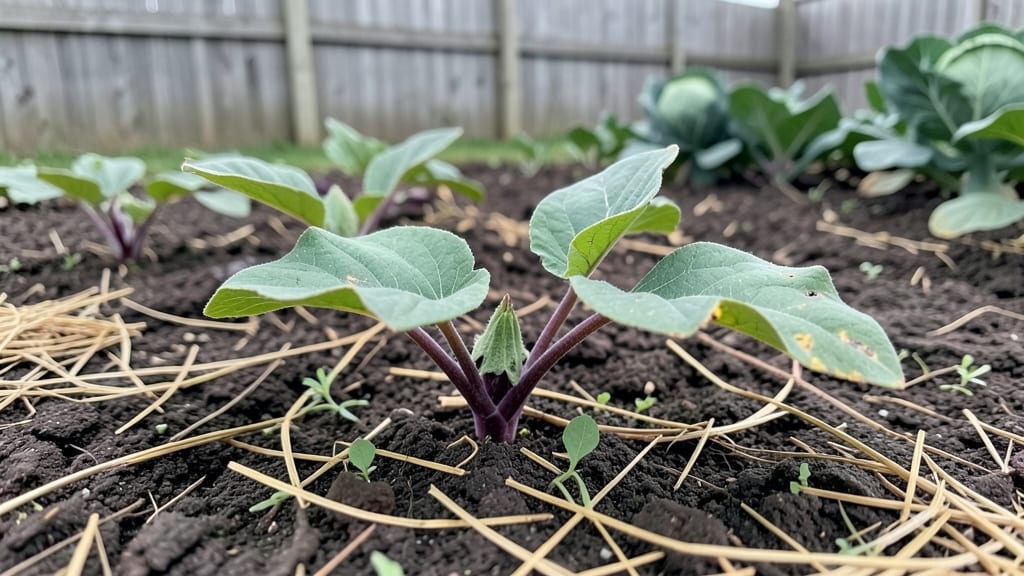
Soil grows plants by nurturing roots through nutrient delivery, moisture retention, and physical support, while its microbial communities transform organic matter into plant-available compounds like nitrogen and phosphorus.
Soil acts like nature's life-support system for plants, combining three key functions: it anchors roots while storing water and nutrients, and its tiny organisms constantly recycle decaying plant matter into usable food. 🌱 The best soils—like loamy mixes—balance these elements perfectly, while sandy or clay-heavy soils often need amendments to improve drainage or nutrient-holding capacity.
Think of it as the difference between planting in a nutrient-rich garden bed versus compacted dirt.
Healthy soil isn't just dirt—it's a thriving ecosystem where bacteria, fungi, and earthworms work together to break down organic material. This process releases vital nutrients that feed plants continuously, creating a self-sustaining cycle.
For example, compost adds both immediate nutrients and long-term microbial activity, making it one of the most effective ways to boost growth naturally.
💡 In This Article
- How Soil Composition Affects Plant Growth
- Boosting Soil Fertility for Faster Plant Growth
How soil composition affects plant growth
The foundation of healthy plant growth lies in soil's physical structure, particularly its texture—the blend of sand, silt, and clay particles. Sand, with its coarse 0.05-2mm grains, drains water quickly but holds few nutrients, while clay's tiny 0.002mm particles retain moisture and nutrients but can become waterlogged.
Silt, with 0.002-0.05mm particles, bridges these extremes. The ideal balance—40% sand, 40% silt, 20% clay—creates loam soil, which drains well while holding nutrients and water for roots to access.
This texture trio directly impacts root development. In sandy soils, roots struggle to anchor deeply, while clay soils can suffocate roots by restricting oxygen flow.
Loam's crumbly structure allows roots to penetrate easily, accessing both water and nutrients. Organic matter—like decomposed leaves or compost—further enhances this by improving soil's ability to hold moisture and nutrients.
For instance, a soil with just 5% organic matter can hold 20,000 gallons of water per acre in its pores, compared to 10,000 gallons in mineral-only soil.
Microbial ecosystems play an equally critical role. Bacteria and fungi break down organic matter through decomposition, converting complex compounds into plant-accessible forms like nitrogen (essential for leaf growth) and phosphorus (key for root development).
A single teaspoon of healthy soil can contain up to 1 billion bacteria and 100 miles of fungal filaments, creating a network that delivers nutrients directly to roots. This microbial activity also produces growth hormones like auxin, which stimulates root elongation.
pH balance further regulates nutrient availability. Most plants thrive in slightly acidic to neutral soils (pH 6.0-7.0), where nutrients like iron and manganese remain soluble.
Outside this range, nutrients become locked away—too acidic (pH <5.5) makes phosphorus unavailable, while alkaline soils (pH >7.5) reduce manganese uptake. For example, blueberries require pH 4.5-5.5 to access aluminum, which they need for flavor development, while tomatoes prefer pH 6.0-6.8 for optimal calcium absorption.
Comparing nutrient-dense loam to poor soils reveals stark differences. Loam's balanced structure supports 30-50% more root growth than sandy soil, while clay soils can reduce growth by 40% due to poor aeration.
Even small amendments—like adding 1 inch of compost—can transform sandy soil's nutrient-holding capacity from 50 lbs/acre to 2,000 lbs/acre for key nutrients like nitrogen. This is why gardeners often mix in 20-30% compost to mimic nature's nutrient-rich topsoil.
What most gardeners overlook is how soil composition changes over time. Compacted soils lose 50% of their porosity within 5 years without organic matter additions, while regularly amended soils maintain 10-20% higher porosity.
This porosity directly affects water infiltration—loam absorbs 1 inch of rain per hour, while compacted clay may take 10 hours for the same amount. The result? Plants in healthy soil grow 2-3 times faster during droughts due to better moisture retention.