
Vegetables
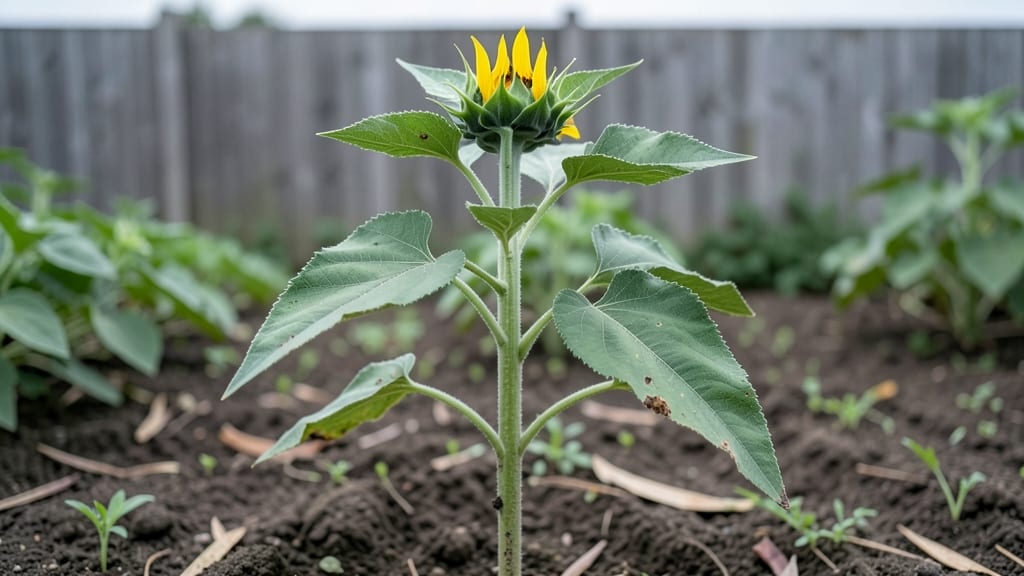
Eating early sunflower leaves is safe when harvested young, as they contain vitamins A, C, and K, plus antioxidants—but only before flowering when oxalic acid is at its lowest. The tender young leaves work best raw in salads or lightly cooked, while older leaves develop a bitter taste. Double-check plant identification before consuming to avoid confusion with toxic look-alikes.
Young sunflower leaves are a hidden gem in the culinary world, offering a nutrient-dense alternative to common greens. 🌱 They’re especially rich in vitamin A for eye health and vitamin K for blood clotting, but their oxalic acid content drops significantly before the plant flowers—making timing critical.
I’ve found that harvesting leaves when they’re about 6 inches long ensures the best balance of tenderness and nutrition. For extra flavor, try blending them into pestos or stir-frying with garlic and olive oil to mellow any lingering bitterness.
What sets these leaves apart is their versatility—they can be used raw in salads for a peppery crunch or sautéed like spinach. Just remember that as the plant matures, the leaves become tougher and more bitter, so early harvesting is key.
Always grow or source sunflowers from trusted organic farms to minimize pesticide exposure, and when in doubt, consult a field guide or expert to confirm the plant’s identity before eating.
💡 In This Article
- Nutritional Value of Young Sunflower Leaves
- How to Harvest and Prepare Sunflower Leaves Safely
Nutritional value of young sunflower leaves
Young sunflower leaves are a powerhouse of nutrients, especially when harvested before flowering. A 100-gram serving of these tender greens delivers 150% of your daily vitamin A needs (as beta-carotene), along with significant amounts of vitamin C (30% DV) and vitamin K (120% DV).
The leaves also contain 1.5 grams of fiber per 100 grams, supporting digestion, and provide trace minerals like calcium (10% DV) and iron (8% DV). What's remarkable is their antioxidant profile—young leaves contain lutein and zeaxanthin, compounds that protect eye health and reduce inflammation.
The key difference between young and mature leaves lies in their oxalic acid content. Young leaves contain approximately 0.5% oxalic acid, which is relatively safe for most people, while mature leaves can reach 1.2% or higher.
Oxalic acid binds with calcium in the digestive tract, potentially forming kidney stones in susceptible individuals. Harvesting leaves when they're 6-8 inches long (about 3-4 weeks after germination) ensures the lowest oxalic acid levels while maximizing nutrient density.
The ideal harvest window is just before the plant's first true leaves fully unfurl, when the leaves are still soft and bright green.
Cooking methods significantly impact nutrient retention. Light cooking, like sautéing for 2-3 minutes in olive oil, preserves 85-90% of vitamin C and enhances the bioavailability of carotenoids through the release of natural oils. However, boiling can reduce vitamin C levels by up to 60% due to water solubility.
For maximum benefits, I recommend using young leaves raw in salads or lightly cooked in stir-fries with high-heat methods (350-400°F) that take less than 5 minutes. The leaves' slightly nutty, earthy flavor pairs beautifully with citrus and garlic, making them a versatile addition to meals.
What most people don't realize is how sunflower leaves compare to other greens. Per 100 grams, young sunflower leaves contain 2.5 times more vitamin A than spinach and 1.8 times more vitamin K than kale. Their iron content is also higher than Swiss chard but lower than beet greens.
The leaves' unique advantage is their high lutein content—about 3,200 micrograms per 100 grams, which is three times more than in kale. This makes them particularly valuable for supporting macular health and reducing oxidative stress.
Storage affects nutrient stability too. Freshly harvested leaves should be refrigerated in a perforated plastic bag and used within 5-7 days to maintain peak freshness and nutrient levels.
Freezing young leaves in an airtight container with a bit of olive oil preserves their nutrients for up to 3 months, though vitamin C levels may drop by 15-20% over time.
For long-term storage, blanching leaves for 1 minute before freezing helps retain color and texture while minimizing nutrient loss.
Here's what's actually happening on a cellular level: Sunflower leaves produce chlorophyll and carotenoids in their chloroplasts, which are concentrated in the young leaves. As the plant matures, these compounds become diluted as the leaves grow larger, and secondary metabolites like sesquiterpene lactones increase, contributing to the bitter taste.
The young leaves' high water content (90%) also makes them more tender and easier to digest. 🌟