
Diseases
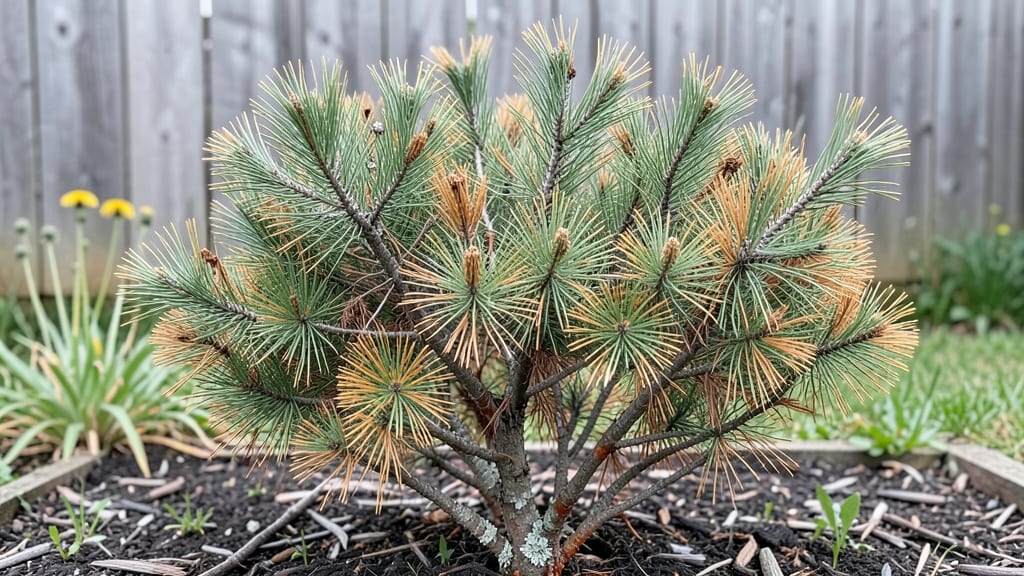
Spotting pine shrub diseases early can save your trees before they turn into a sad, brown mess. 🌲 I’ve seen healthy pines go from vibrant green to skeletal in just a few weeks—usually because the problem was ignored until it was too late.
The key is knowing what to look for: discolored needles, odd growth patterns, or that "off" smell that signals trouble.
Most pine diseases start with fungus or bacteria thriving in wet conditions, poor air circulation, or stressed plants. Needle blight shows up as dark, banded spots on needles, while root rot makes the soil smell foul and the roots look mushy.
The good news? Catching these early means you can often fix the problem with pruning, fungicides, or better watering habits—no tree funeral necessary.
By the time you see the worst symptoms, the damage is usually done. But if you act fast—removing infected branches, improving drainage, and treating with the right solutions—you’ll keep your pines looking lush and green for years.
The first step is learning the warning signs, so you can stop the spread before it takes hold.
This guide covers the most common pine diseases, their telltale signs, and what to do next—whether you’re dealing with a single plant or an entire grove. Let’s get those trees back to their best.
Root Causes of Pine Shrub Decline
Pine shrubs, like all plants, are vulnerable to diseases when their natural defenses weaken. Understanding the why behind these issues helps you take preventive action before problems escalate. Below, we break down the most common triggers—from environmental stressors to microbial invaders—and explain how they create the perfect storm for disease.
Pine shrubs thrive in specific conditions, and when those conditions shift, their immune systems falter. Here’s how environmental stress opens the door to disease:
- 🌞 Extreme Heat or Drought Prolonged drought forces pine shrubs to conserve water, making their leaves tough and brittle.
This weakens cell walls, making them easier targets for fungal spores like Fusarium or Cylindrocladium. Actionable tip: 💡 Mulch around the base to retain moisture and reduce temperature fluctuations near the roots.
- ❄️ Freezing Temperatures or Frost Damage Sudden cold snaps can rupture pine needles, creating entry points for pathogens.
Frost-heaved roots (when soil freezes and lifts roots) also disrupt nutrient uptake, leaving shrubs vulnerable to root rot. Pro move: ✨ Use frost blankets in early winter to protect young or sensitive pine varieties.
- 🌧️ Poor Air Circulation & Overwatering Pines hate soggy roots. Overwatering or compacted soil (from foot traffic or heavy mulch) traps moisture, encouraging fungal growth like Phytophthora. Key fix: 🔥 Space shrubs 3–5 feet apart and avoid overhead watering—drip irrigation keeps roots dry.
Diseases don’t just happen—they’re caused by microscopic invaders. Here’s how they exploit pine shrubs:
- 🍄 Fungal Spores in the Air or Soil Fungi like Lophodermium (causing needle cast) or Sphaeropsis (tip blight) thrive in humid conditions.
Spores land on pine needles, germinate, and infect weakened tissue. Science note: Fungal spores often hitchhike on wind or splashing water—keep shrubs pruned to improve airflow and reduce spore landing spots.
- 🔬 Bacterial Leaf Spot (e.g., Pseudomonas syringae) Bacteria enter through wounds (like from hail or poor pruning) and multiply in moist environments. They create dark, oily spots on needles, stunting growth. Prevention: 🌡️ Sterilize pruners with rubbing alcohol (70% isopropyl) to avoid spreading bacteria between cuts.
- 🦠 Viruses (Rare but Devastating) Viruses like pine dwarf disease spread via infected nursery stock or sap-sucking insects (e.g., aphids). Once inside, they distort needles and stunt shrubs. Critical step: 🎯 Inspect new plants for symptoms before planting and quarantine them if needed.
Pests don’t just damage pine shrubs—they create wounds that pathogens exploit. Common culprits include:
- 🐜 Bark beetles (tunnel into bark, introducing blue-stain fungi).
- 🐛 Root weevils (chew roots, reducing nutrient uptake).
- 🐜 Spider mites (sap-sucking pests that stress foliage).
Defense strategy: 🔥 Introduce beneficial nematodes (Steinernema spp.) to control grubs or spray neem oil to deter mites before they cause irreversible damage.
Pine shrubs need acidic, well-draining soil (pH 4.5–6.0).
When soil chemistry is off, diseases thrive: - 🧪 High pH (Alkaline Soil): Locks out essential nutrients like iron and manganese, weakening the shrub’s ability to fight infections. - 🪴 Compacted or Waterlogged Soil: Restricts root oxygen, leading to root rot (Armillaria or Heterobasidion). - ⚠️ Lack of Organic Matter: Poor soil structure invites fungal growth and reduces microbial diversity, which helps suppress pathogens.
Fix it: 💪 Test soil pH annually and amend with sulfur (to lower pH) or compost (to improve drainage). Avoid heavy fertilizers—they can burn roots and stress shrubs further.
Even well-meaning gardeners can accidentally invite diseases:
- ✂️ Poor Pruning Techniques: Cutting too close to the trunk or leaving stubs creates wounds where pathogens enter. Rule: Always prune at a 45° angle just outside the branch collar.
- 🌿 Over-Fertilizing: Excess nitrogen promotes soft, lush growth that’s prime real estate for fungal infections. Balance: Use slow-release, organic fertilizers and follow label rates.
- 🧹 Ignoring Sanitation: Leaving infected debris (like fallen needles with Lophodermium spores) near the shrub spreads disease. Quick win: 🧹 Rake up and dispose of debris promptly, especially after storms.
Some pine varieties are naturally more resistant to diseases, while others (like Pinus strobus—eastern white pine) are prone to Sphaeropsis tip blight. Additionally, mature shrubs with aging bark or declining vigor are easier targets for pathogens.
Solution: 🌱 Choose disease-resistant cultivars (e.g., Pinus sylvestris for drought tolerance) and replace old shrubs every 15–20 years to maintain garden health.
Quick Fixes for Pine Shrub Problems
When your pine shrubs show signs of distress, acting fast can save them from decline or even death. Below, we’ve mapped out practical solutions for common pine shrub diseases, organized by cause, along with prevention tips to keep your greenery thriving.
Think of this as your go-to troubleshooting guide—no green thumb required!
Fungi thrive in damp, shaded conditions, so if you spot yellowing needles, black spots, or powdery growth, it’s likely a fungal issue. Here’s how to tackle it:
🔥 Remove Infected Areas Immediately
- Prune branches with visible mold, rust, or blight using sterilized shears (wipe with rubbing alcohol between cuts).
- Bag and dispose of infected debris in the trash—do not compost it, as spores can survive.
🍳 Apply Fungicide (Organic or Chemical)
- For mild cases: Mix 1 tbsp baking soda + 1 tsp dish soap + 1 gallon water in a spray bottle.
Apply to foliage on a dry, wind-free day. - For severe infections: Use a copper-based fungicide (like Bordeaux mixture) or a neem oil spray (follow label instructions).
🌡️ Improve Airflow & Drainage
- Thin out dense branches to allow sunlight and air circulation.
- Raise garden beds if planting in containers or poorly draining soil.
- Water at the base (not overhead) to keep needles dry.
💡 Pro Tip: Fungi love humidity—water in the morning so foliage dries by evening.
If you notice needle browning, sawdust-like frass, or tiny crawling insects, pests like pine bark beetles, spider mites, or aphids are likely the culprits.
👨🍳 Blast Off Pests with Natural Sprays
- For soft-bodied pests (aphids, mites):
- Spray with soapy water (1 tsp mild soap per quart of water).
- Neem oil (1 tsp per quart of water + a drop of dish soap as an emulsifier).
- For beetles or borers:
- Diatomaceous earth (food-grade) around the base—it dehydrates insects.
- Pheromone traps for bark beetles (available at garden centers).
🔪 Physical Barriers & Traps
- Wrap tree trunks with tree guard or aluminum foil to deter bark beetles from laying eggs.
- Sticky traps can catch flying pests like pine sawflies.
⏰ Time Your Treatments Right
- Early spring or late fall are the best times to treat—pests are most active then.
- Avoid pesticides in summer heat, as they can harm beneficial insects.
✨ Prevention Hack: Healthy pines resist pests better—fertilize with slow-release, acid-loving plant food (like pine-specific formulas) to boost immunity.
Sometimes, diseases flare up because of poor watering, nutrient deficiencies, or extreme conditions. Here’s how to adjust:
💧 Fix Watering Woes
- Overwatering? Let soil dry 2-3 inches deep between waterings. Pines hate soggy roots!
- Underwatering? Deep water once a week (more in extreme heat) and mulch with pine bark to retain moisture.
📊 Nutrient Boost for Weak Pines
- Test soil pH—pines prefer acidic soil (pH 4.5-6.0). Add sulfur or peat moss if needed.
- Fertilize in early spring with a balanced, slow-release fertilizer (10-10-10 or pine-specific formula).
🌡️ Shield from Harsh Conditions
- Young pines? Use shade cloth in scorching summers or burlap wraps in winter to protect from windburn.
- Avoid heavy pruning in drought—stressed trees are more susceptible to disease.
🎯 Long-Term Fix: Plant pines in the right spot—most prefer full sun and well-draining soil. If your yard is shady or swampy, choose disease-resistant varieties like Mugo or Japanese Black Pine.
If your pine is already severely infected or wilting, act fast:
- Prune dead branches back to healthy wood.
- Drench roots with a mycorrhizal fungus (helps roots absorb water/nutrients).
- Consider a soil drench of hydrogen peroxide (3%) to kill pathogens (dilute to 10% strength).
- Monitor closely—if no improvement in 2-3 weeks, consult a local arborist for advanced treatment.
✅ Inspect regularly—catch issues early with weekly needle checks. ✅ Clean up debris—remove fallen needles and pruned branches promptly. ✅ Space pines properly—3-5 feet apart for airflow. ✅ Avoid overhead watering—use drip irrigation or soaker hoses. ✅ Rotate fungicides if you treat often to prevent resistance.
Remember: Pines are tough once they’re established—most diseases are manageable with quick action. Start with the basics (pruning, watering, and airflow), and your shrubs will bounce back stronger than ever! 🌲💪
Frequently asked questions
What are the most common signs of pine shrub diseases?
Watch for discolored needles (yellowing, browning, or black spots), stunted growth, unusual sap oozing, or premature needle drop. Fungal infections often show as powdery mold or banded dark patches on needles, while bacterial issues create oily-looking spots. Root rot may reveal mushy, foul-smelling roots and wilting branches.
Can I save a pine shrub if it’s already severely infected?
Yes, but act fast! Prune all infected branches back to healthy wood, sterilize tools between cuts, and remove debris immediately. Apply a copper fungicide or neem oil spray, then improve airflow and drainage. If the shrub doesn’t recover in 2-3 weeks, consult an arborist—some diseases (like root rot) may require soil treatments or replacement.
How do I prevent fungal diseases in my pine shrubs?
Start with proper spacing (3-5 feet apart) for airflow, avoid overhead watering (use drip irrigation), and water in the morning so foliage dries by evening. Mulch with pine bark to retain moisture without suffocating roots, and sterilize pruners with rubbing alcohol between cuts. For extra protection, spray with a baking soda solution (1 tbsp + 1 tsp soap per gallon) every 2 weeks during humid seasons.
Are there disease-resistant pine varieties I should consider?
Yes! Mugo pine and Japanese black pine are naturally tougher against fungal infections, while Scotch pine resists needle cast better than eastern white pine. If your area has high humidity, opt for drought-tolerant varieties like Pinus sylvestris (Scots pine), which handle stress better. Always check local nursery recommendations for your climate zone.
What’s the difference between needle blight and tip blight in pines?
Needle blight (e.g., Lophodermium) causes dark, banded spots along needles, often starting at the base and spreading upward. Tip blight (e.g., Sphaeropsis) attacks new growth, causing brown, shriveled tips and stunted shoots. Both are fungal—treat with copper fungicide and prune infected tips, but tip blight spreads faster in wet springs.