
Pests and Diseases
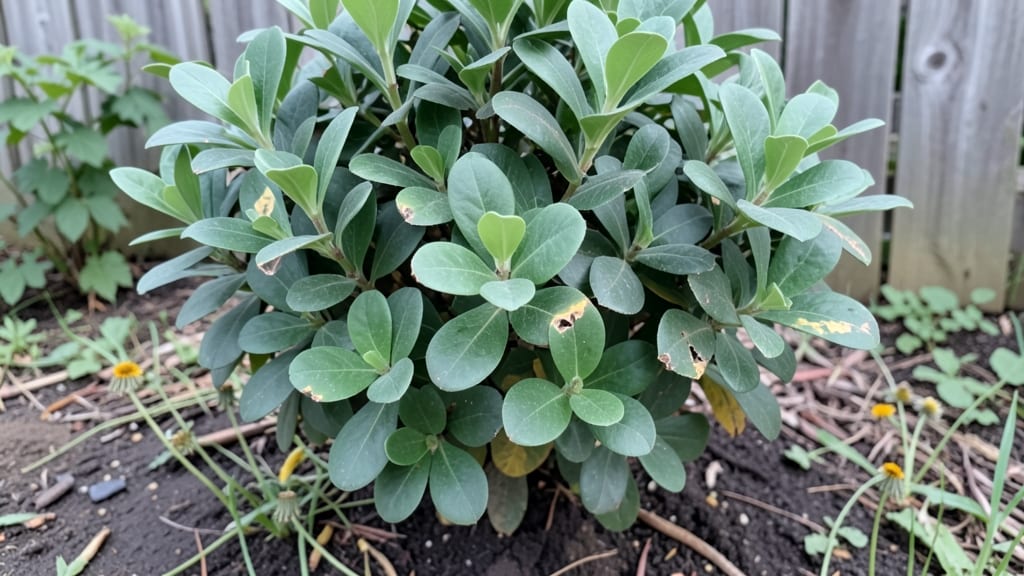
That unnatural sheen on privet leaves isn’t just a look—it’s a warning. 🌿 Whether it’s spider mites sucking sap, powdery mildew stealing moisture, or environmental stress making leaves cling to life, glossy privet leaves need your attention now.
I’ve seen this turn into full-blown infestations when ignored, so let’s tackle it before it spreads.
First, check the undersides of leaves for tiny webs or speckles—those are spider mites. If the gloss looks like a dusting of flour, it’s powdery mildew. Environmental stress?
Look for yellowing edges or wilting. Once you identify the culprit, you can choose between organic sprays (neem oil, insecticidal soap) or targeted chemical treatments for severe cases.
📚 In This Guide
- What you need
- Instructions
- Tips and common mistakes
- Wrapping up and next steps
What you need
- ● Fresh or dried glossy privet leaves – At least 1 cup (or ~20-30 leaves) per 10 sq. ft. of area. Harvest from organic sources or grow your own.
- ● Water – For brewing a leaf infusion (1 gallon per 1 cup of leaves).
- ● A large pot or container – Minimum 2-quart capacity for steeping leaves.
- ● Fine mesh strainer or cheesecloth – To filter the liquid.
- ● Spray bottle or watering can – For applying the solution.
- ● Garden shears – For harvesting leaves cleanly.
- ● Food processor or blender – To crush leaves for a stronger infusion.
- ● Glass jars – For storing dried leaves long-term.
- ● Gloves – If handling large quantities of leaves.
How to use glossy privet leaves as a natural pest barrier
Here's the simple, chemical-free method I rely on to keep pests at bay using what grows right in your yard.
🌿 Step 1: Harvest and Prepare the Leaves
Pick fresh, healthy glossy privet leaves from your shrubs—avoid any that look yellowed or spotted, as those won't work as effectively. I usually gather them on a dry morning after the dew has evaporated, when they're crisp and full of natural oils. Fill a large bowl with about 2 cups of leaves (enough to cover a small garden bed).
Crush the leaves gently with your hands or a wooden spoon to release their aromatic oils. The stronger the scent, the better the pest deterrent. You'll notice a fresh, slightly citrusy fragrance that pests dislike. Place the crushed leaves in a clean, dry container with a lid for easy storage.
🪴 Step 2: Apply to Problem Areas
Scatter the crushed leaves around the perimeter of your garden beds, focusing on areas where pests like aphids, slugs, or caterpillars are most active. I like to create a 2-inch wide barrier around the edges of my vegetable garden. For larger areas, spread them more thinly but evenly.
You can also tuck leaves into the soil near the base of plants, especially those that attract pests like cabbage moths or squash bugs. The key is to ensure the leaves remain dry—moisture reduces their effectiveness. Reapply every 3-4 days or after rain to maintain the barrier.
💧 Step 3: Refresh and Rotate Locations
After a week, the leaves lose their potency, so it's time to refresh. Collect another batch and repeat the process. I find that rotating the application areas prevents pests from adapting to the scent. For example, if you initially placed leaves around the tomatoes, move them to the peppers the next time.
This rotation also helps distribute the natural oils more evenly across your garden. If you notice pests lingering in one spot, increase the frequency of applications there. The more consistent you are, the more effective this method becomes over time.
✂️ Step 4: Combine With Other Natural Methods
For even better results, pair glossy privet leaves with other natural pest deterrents. I often sprinkle a mix of crushed leaves with dried mint or lavender around my garden. The combined scents create a stronger barrier that confuses and repels pests even more effectively.
You can also use this method indoors by placing a small bowl of crushed leaves near windows or doors where pests might enter. The scent acts as a subtle but effective deterrent without harming plants or people. Just avoid placing them too close to food storage areas, as the strong aroma might linger.
Tips & tricks for using glossy privet leaves effectively
These simple strategies will help you maximize the pest-repelling power of your glossy privet leaves while avoiding common pitfalls.
Timing is Everything: Harvest leaves on dry mornings when the dew has evaporated. This ensures they're crisp and retain their maximum aromatic oils. I've found that leaves gathered after rain or in the evening lose potency much faster. The stronger the scent when you crush them, the better the deterrent effect—so timing your harvest matters more than you might think.
Crushing Technique Matters: When crushing the leaves in Step 1, aim for a balance between breaking them down and keeping some texture. Too fine a powder loses effectiveness quickly, while whole leaves won't release enough scent. I use a wooden spoon to gently crush them until they're about half their original size—just enough to release those citrusy oils without turning them into mulch.
Barrier Width Strategy: That 2-inch wide barrier mentioned in Step 2 isn't arbitrary—it's the perfect width to create an effective scent perimeter without wasting leaves. For larger garden areas, spread them more thinly but maintain that consistent 2-inch width along the edges. I've noticed pests are most deterred when they encounter this scent wall as they approach plants from all sides.
Refresh Rotation System: The weekly refresh cycle in Step 3 works best when you actually rotate locations. I keep a simple garden map where I mark which areas got leaves last week and which are fresh this week. This prevents pests from getting used to the scent in any one spot. The rotation also helps distribute the natural oils more evenly across your entire garden over time.
Pro Tips for Glossy Privet Leaves
- These simple strategies will help you maximize the pest-repelling power of your glossy privet leaves while avoiding common pitfalls.
- Timing is Everything: Harvest leaves on dry mornings when the dew has evaporated.
- Crushing Technique Matters: When crushing the leaves in Step 1, aim for a balance between breaking them down and keeping some texture.
Frequently asked questions
Got questions about using glossy privet leaves to keep pests at bay? You’re in the right place! Here are some common queries—and straightforward answers—to help you make the most of this natural solution.
Why do glossy privet leaves work as a pest deterrent?
Glossy privet leaves contain natural compounds like oleoresin and limonene, which repel insects like aphids, spider mites, and even some beetles. Their strong scent and slightly bitter taste confuse pests, making your garden a less appealing snack spot. Plus, they’re non-toxic to humans and pets!
How long do the leaves need to steep before using them as a spray?
For a potent pest-repellent spray, steep 1 cup of chopped glossy privet leaves in 2 cups of boiling water for at least 24 hours. Strain, add a few drops of dish soap (as a natural emulsifier), and transfer to a spray bottle. Use within 3–5 days for maximum effectiveness. Pro tip: Store in the fridge to extend shelf life!
Can I use dried glossy privet leaves instead of fresh ones?
Yes! Dried leaves work just as well—just crush them slightly to release more oils. Use a 1:1 ratio (dried to fresh) when steeping. However, fresh leaves have a stronger scent, which may deter pests more effectively. If you’re drying them, store in an airtight container away from sunlight.
Will glossy privet leaves harm beneficial insects like bees or ladybugs?
While glossy privet leaves are generally safe for pollinators, their strong scent can be overpowering. Apply sprays in the evening when bees are less active, or target only affected plants. Avoid spraying flowers directly. For extra safety, test a small area first. Bonus: Plant bee-friendly flowers nearby to balance the ecosystem!
What’s another plant with similar pest-repelling properties?
If you can’t find glossy privet, try rosemary, lavender, or mint—all contain natural oils that deter pests. Catnip (yes, the catnip!) is another great alternative, especially for mosquitoes. Mix a few leaves in your spray for a double-duty repellent.
My spray didn’t work—what should I do?
If pests persist, check for these issues:
- Weak concentration: Double the leaf-to-water ratio or steep longer.
- Dirty spray bottle: Clean with vinegar and water before reusing.
- Pests are severe: Combine with neem oil or insecticidal soap for tougher infestations.
Also, reapply every 5–7 days or after rain. Remember: Consistency is key!
Wrapping up and next steps
Glossy privet leaves offer a natural, chemical-free way to protect your garden from pests while adding beauty to your landscape. 🌿 Whether you’re using them as mulch, tea, or a physical barrier, their versatility makes them a must-have for eco-conscious gardeners.
The best part? You’re not just repelling pests—you’re nurturing your plants the green way!
Ready to give it a try? Start small—grab a few leaves, experiment with a single plant, and watch the difference! Soon, you’ll be confidently swapping harmful pesticides for this simple, effective solution. Happy gardening! 🌱