
Diseases
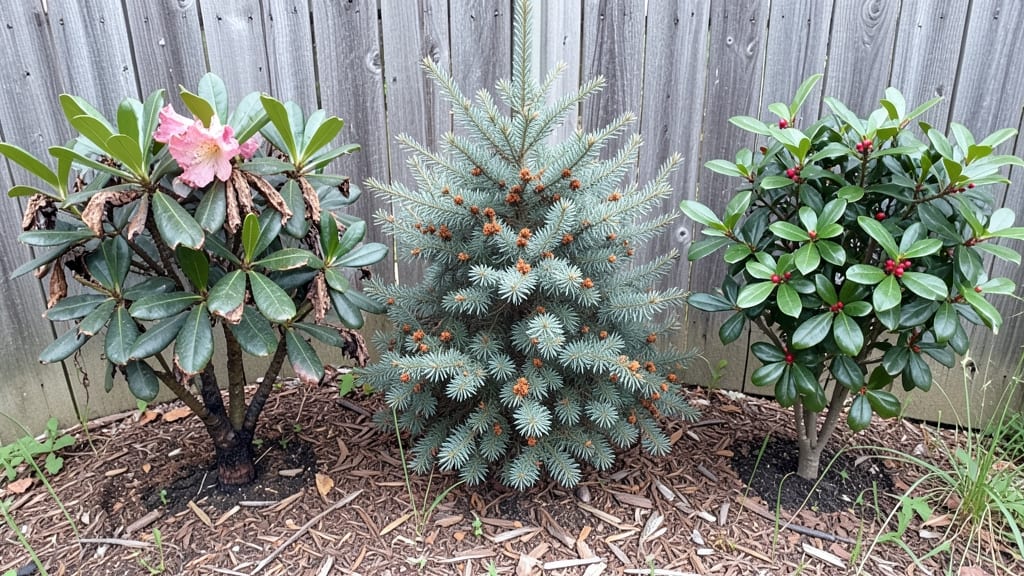
Identifying evergreen shrub diseases pictures early can save your plants—before fungal blight turns lush greenery into brown, skeletal remains in just weeks. early. The right pictures make all the difference, because some diseases look eerily similar until you know what to watch for.
Most fungal problems begin with tiny specks—black or brown spots on needles, powdery white patches, or sticky residue on branches. These are the red flags that say, "This isn’t normal." The good news?
Catching them early means you can still save your shrubs with simple treatments, like pruning infected areas or applying fungicide before the disease spreads. I’ll walk you through the most common offenders and exactly what to look for.
You’ll leave here knowing how to tell the difference between needle blight, root rot, and other sneaky invaders—plus how to treat them before they ruin your landscape. Think of this as your visual cheat sheet for keeping evergreens lush and disease-free.
The pictures in this guide will show you exactly what to spot, so you can act fast.
Whether you’re dealing with a single shrub or a whole hedge, the same principles apply. Prevention is easier than cleanup, and once you recognize these symptoms, you’ll spot trouble before it takes hold. Let’s get your evergreens back to their best—and keep them that way all season long.
Root Causes of Evergreen Shrubs Sickness
Evergreen shrubs are the steadfast stars of your landscape—until disease strikes. While some issues stem from poor care, many fungal and bacterial problems arise from specific environmental and biological triggers. Understanding why these diseases take hold is the first step to preventing them.
Below, we break down the science behind the most common culprits, so you can protect your greenery before it’s too late.
Fungi thrive in moisture, and evergreens—especially those with dense foliage—create the perfect humid microclimate for pathogens. Here’s how it happens:
- Poor Air Circulation:
Tightly packed shrubs or those planted too close together trap moisture.
Fungal spores (like those causing Phytophthora root rot or Rhizoctonia) latch onto leaves and stems, spreading rapidly in stagnant air. Evergreens with broad, waxy leaves (e.g., rhododendrons, boxwoods) are especially vulnerable because water beads up instead of rolling off.
- Overhead Watering:
Splashing water onto foliage—especially in the evening—creates a film that fungi love. Botrytis blight (gray mold) and needle cast often start this way. Even rain can be a problem if your shrubs don’t dry quickly.
- Soil Saturation:
Clay-heavy or poorly drained soil keeps roots waterlogged, starving them of oxygen. Anaerobic conditions weaken defenses, making shrubs susceptible to Armillaria root rot (a deadly "honey fungus"). Test your soil’s drainage—if water pools for >24 hours, it’s a red flag.
💡 Pro Tip: Space shrubs 3–5 feet apart for airflow, water at the base (not overhead), and mulch only 2–3 inches deep—too much mulch smothers roots and traps moisture.
Unlike fungi, bacteria need an entry point. Evergreen shrubs often get infected through physical damage, and once inside, bacteria like Pseudomonas syringae (causing bacterial leaf spot) or Xylella fastidiosa (linked to leaf scorch) multiply fast. Here’s how wounds happen:
- Pruning Cuts:
Dirty tools spread bacteria between plants. Sawing or snipping with unsterilized shears introduces pathogens directly into the vascular system. Even "clean" cuts can ooze if made during wet weather, creating bacterial highways.
- Hail or Wind Damage:
Torn leaves or broken stems expose raw tissue. Bacterial canker often starts at these sites, especially on arborvitae or junipers, where abrasions go unnoticed until yellowing appears.
- Insect Feeding:
Sap-sucking pests (e.g., spider mites, scale) create puncture wounds that bacteria exploit. Look for sticky honeydew—a sign insects are weakening the plant’s defenses.
✨ Prevention Hack: Sterilize pruners with 70% isopropyl alcohol between cuts, and prune in dry, sunny conditions to let wounds dry faster.
Evergreens are tough, but they’re not immune to environmental shocks. When stressed, their natural defenses drop, making them easy targets for disease. Common triggers include:
| Stress Factor | How It Weakens Shrubs | Diseases It Invites |
|---|---|---|
| 🔥 Drought | Root systems shrink, reducing nutrient uptake. Wilting leaves lose their protective waxy coating, inviting needle blight. | Cylindrocladium (boxwood blight), Lophodermium needle cast |
| ❄️ Winter Desiccation | Cold winds + sun dry out foliage faster than roots can replace moisture. Brown, crispy needles crack open, letting in Fusarium. | Snow mold, Winter burn-related rots |
| 🌡️ Temperature Swings | Rapid changes (e.g., 80°F to 40°F in a day) shock cells, disrupting photosynthesis and making shrubs sluggish. | Phytophthora (soil-borne), Anthracnose |
🎯 Actionable Fix: Water deeply before drought hits, apply anti-desiccant sprays in winter, and avoid fertilizing in extreme heat—it burns roots.
By tackling these root causes—moisture, wounds, and stress—you’ll slash the odds of fungal or bacterial invasions. Next, we’ll cover how to spot these diseases early using visual clues (and yes, we’ve got pictures!).
Fixing Evergreen Shrub Diseases Step-by-Step
Sickly evergreens don’t have to be a lost cause! Whether you’re dealing with fungal blight, bacterial infections, or pest-related damage, early action can turn things around. Below, we’ve mapped out practical fixes for common evergreen shrub diseases—plus prevention tips to keep your plants thriving long-term.
Fungal diseases like needle blight or canker thrive in damp, crowded conditions. Here’s how to tackle them:
🔥 Step 1: Remove Infected Foliage
- Snip off yellowing, brown, or blackened needles with sterilized pruners (wipe with rubbing alcohol between cuts).
- Dispose of debris in the trash—not the compost—since fungi can survive and reinfect.
- Pro tip: 💡 Prune in dry weather (morning is best) to let the plant dry quickly and reduce spores spreading.
🍳 Step 2: Apply Fungicidal Treatment
- Neem oil (1 tbsp per quart of water + a drop of dish soap) is a natural, non-toxic option.
Spray thoroughly on both sides of needles. - Copper-based fungicides (like Copper Soap) work well for severe cases—follow label instructions for dosage. - Reapply every 7–14 days until new growth appears.
👨🍳 Step 3: Improve Airflow & Drainage
- Thin out dense branches to allow sunlight and air to circulate.
- Raise garden beds or add gravel to improve drainage if soil stays soggy.
- Mulch properly: Use 3–4 inches of wood chips, keeping it 6 inches away from the trunk to prevent rot.
⏰ Prevention Checklist
✅ Water at the base (avoid overhead sprinkling). ✅ Space shrubs 3–5 feet apart for airflow. ✅ Clean pruners between cuts to avoid cross-contamination.
Bacterial canker causes oozing sores and dieback—here’s how to stop it:
🔪 Step 1: Sterilize & Prune Aggressively
- Cut out all infected branches, extending 6 inches below the lesion (bacteria lurk in the tissue).
- Burn or bag infected wood—do not compost.
- Pro tip: 🌡️ Disinfect tools with bleach solution (1 part bleach to 10 parts water) before and after pruning.
🥘 Step 2: Apply Copper Spray
- Bordeaux mixture or copper fungicide can help suppress bacteria on the plant surface.
- Avoid overwatering—bacteria spread faster in wet conditions.
🚫 Step 3: Isolate the Plant
- Move the shrub at least 10 feet away from healthy plants until fully recovered.
- Replace soil in the planting hole with fresh, sterile potting mix if canker is severe.
🎯 Prevention Tips
✅ Avoid wounding (e.g., rough pruning or physical damage). ✅ Plant in well-draining soil—bacteria love moisture. ✅ Rotate crops if growing in containers (don’t reuse soil).
Pests like spider mites, scale, or aphids weaken shrubs, making them susceptible to disease. Here’s how to kick them out:
💡 Step 1: Blast Off Pests
- Hose them down with strong water pressure (miters hate this!).
- Insecticidal soap (1 tsp per quart of water) works for soft-bodied pests.
- For scale: Scrape off with a soft brush dipped in rubbing alcohol.
🌿 Step 2: Introduce Beneficial Insects
- Ladybugs and lacewings eat aphids—buy them online or attract them with neighboring pollinator plants.
- Predatory mites (like Phytoseiulus persimilis) control spider mites.
✨ Step 3: Strengthen the Plant
- Fertilize lightly with balanced, slow-release fertilizer (e.g., 10-10-10) to boost immunity.
- Avoid over-fertilizing—weak growth attracts more pests.
🔥 Prevention Tips
✅ Inspect new plants before bringing them home. ✅ Use reflective mulch (like aluminum foil) to deter spider mites. ✅ Encourage biodiversity—healthy ecosystems naturally control pests!
| Disease/Pest | Immediate Fix | Long-Term Prevention |
|---|---|---|
| Fungal Blight | Prune + neem oil spray | Improve airflow, water at base |
| Bacterial Canker | Sterilize tools + copper spray | Isolate plant, avoid wounds |
| Spider Mites | Hose off + insecticidal soap | Reflective mulch, beneficial bugs |
| Scale/Aphids | Scrape off + ladybugs | Inspect new plants, fertilize wisely |
Remember: 🌱 Patience is key—some diseases take weeks to months to fully resolve. Monitor your shrubs, stay consistent with treatments, and soon, your evergreens will be back to their lush, disease-free selves!
Frequently asked questions
How can I tell if my evergreen shrub has a fungal disease just by looking?
Look for unusual spots on needles or leaves—black, brown, or white patches are classic signs. Fungal diseases often create powdery coatings (like on boxwoods) or sticky residue (honeydew from pests that spread disease). Check the undersides of leaves too—tiny black specks or mold growth are red flags. Compare your shrub to healthy ones in your yard for contrast.
Can I use regular household items to treat evergreen shrub diseases?
Yes! For mild cases, a neem oil spray (1 tbsp per quart of water) works as a natural fungicide. Mix with a drop of dish soap to help it stick. For bacterial issues, a baking soda solution (1 tsp baking soda + 1 quart water + a few drops of oil) can help. Always test on a small area first, and reapply every 7-10 days until symptoms improve.
Why does my evergreen look healthy but still have brown needles?
This could be winter burn (dry, crispy needles from cold winds) or needle cast (a fungal disease). Check if the brown needles are only on exposed branches—winter burn usually affects the top/outer edges. For needle cast, look for tiny black specks on the undersides. Prune affected branches and improve airflow around the shrub to prevent spread.
How often should I inspect my evergreen shrubs for diseases?
Check your shrubs every 2-4 weeks during growing season (spring-fall), and monthly in winter. Focus on new growth areas first—diseases often appear there. After heavy rain or humid periods, do a quick inspection. Early detection is key—catching problems when only 10-20% of needles are affected makes treatment much easier.
Will my evergreen recover if I cut off all the diseased parts?
It depends! For fungal diseases, pruning removes the infection source but won't fully cure the plant—you'll need to treat the remaining shrub with fungicide. For bacterial canker, cut out infected branches 6 inches below the lesion and sterilize tools. Some shrubs (like arborvitae) may recover fully, while others (especially severely affected ones) might need replacement. Always follow up with proper care to prevent reinfection.